Jaguar
Scientific Name: Panthera onca
Category: mammal
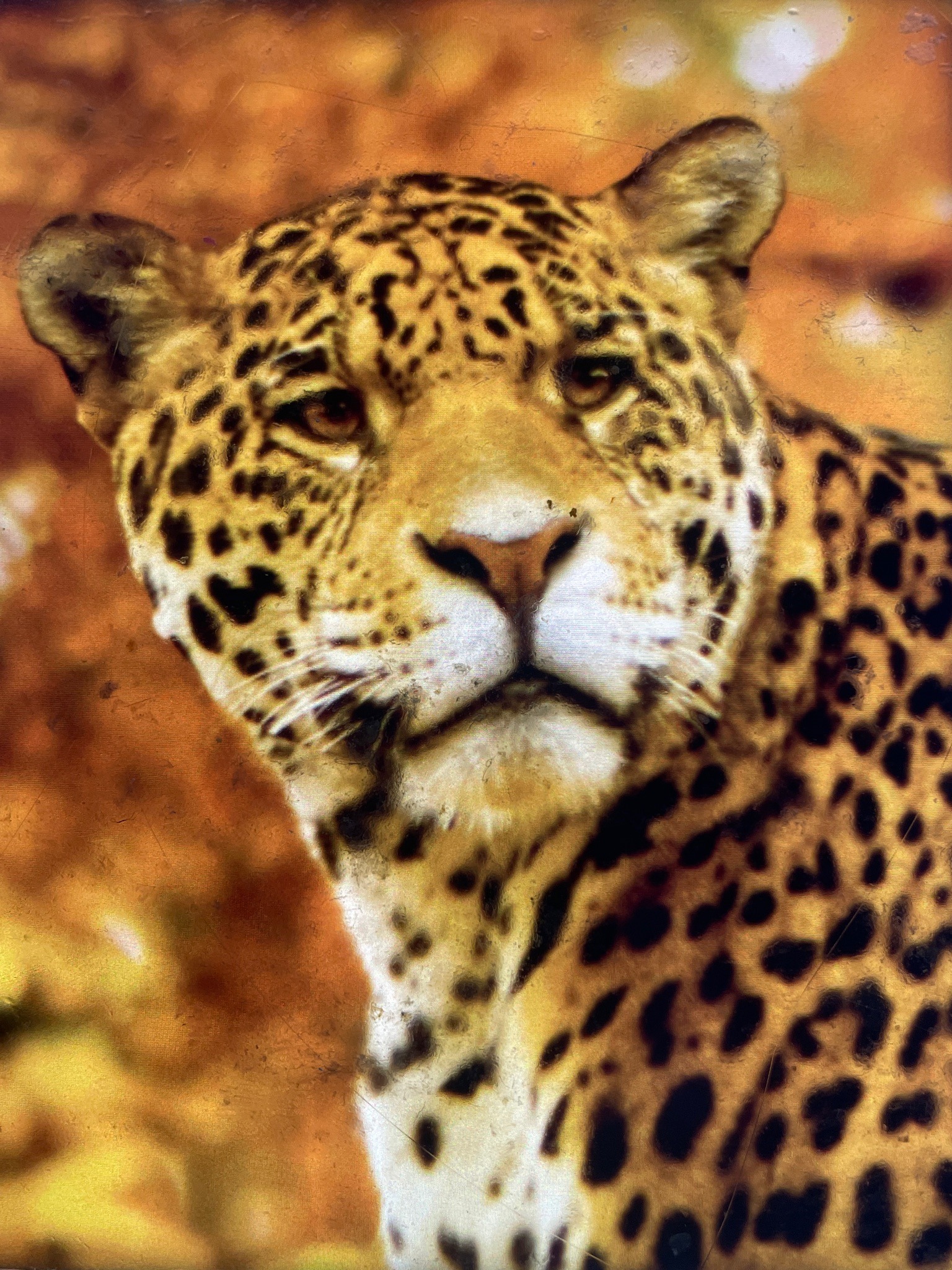
Brief Description
The jaguar is the largest cat species in the Americas and the third-largest in the world, known for its powerful build and rosette-patterned coat.
Characteristics
Stocky build with a broad head and powerful jaws. Their tawny-yellow fur is covered in rosettes, which are rose-like spots with one or more small dots in the center. They have a white underbelly and a shorter tail compared to other large cats.
Habitat
Found in a variety of habitats including tropical rainforests, swamps, wetlands, and seasonally flooded forests; they are strongly associated with the presence of water.
When to Find It
Crepuscular, meaning they are most active during dawn and dusk, though they may hunt during the day in undisturbed areas.
Conservation Status
Near Threatened (IUCN Red List), primarily due to habitat loss, fragmentation, and illegal poaching.
Ecological Role
As an apex predator and keystone species, they help regulate prey populations and play a vital role in maintaining the structural integrity of forest ecosystems.
Easily Confused With
Leopards (Panthera pardus) are similar but smaller, less muscular, and their rosettes lack the central dots found in jaguar patterns. Cheetahs are much slimmer with solid black spots.
Observation Tips
In the wild, they are best observed from boats in the Pantanal region of Brazil during the dry season (July to October) when they congregate near riverbanks.
Interesting Facts
Jaguars have the strongest bite of any cat species relative to their weight; they can bite through the shells of turtles and caimans and use a specialized killing method of biting through the skull of leur prey.