Hard Clam (Quahog)
Scientific Name: Mercenaria mercenaria
Category: shell
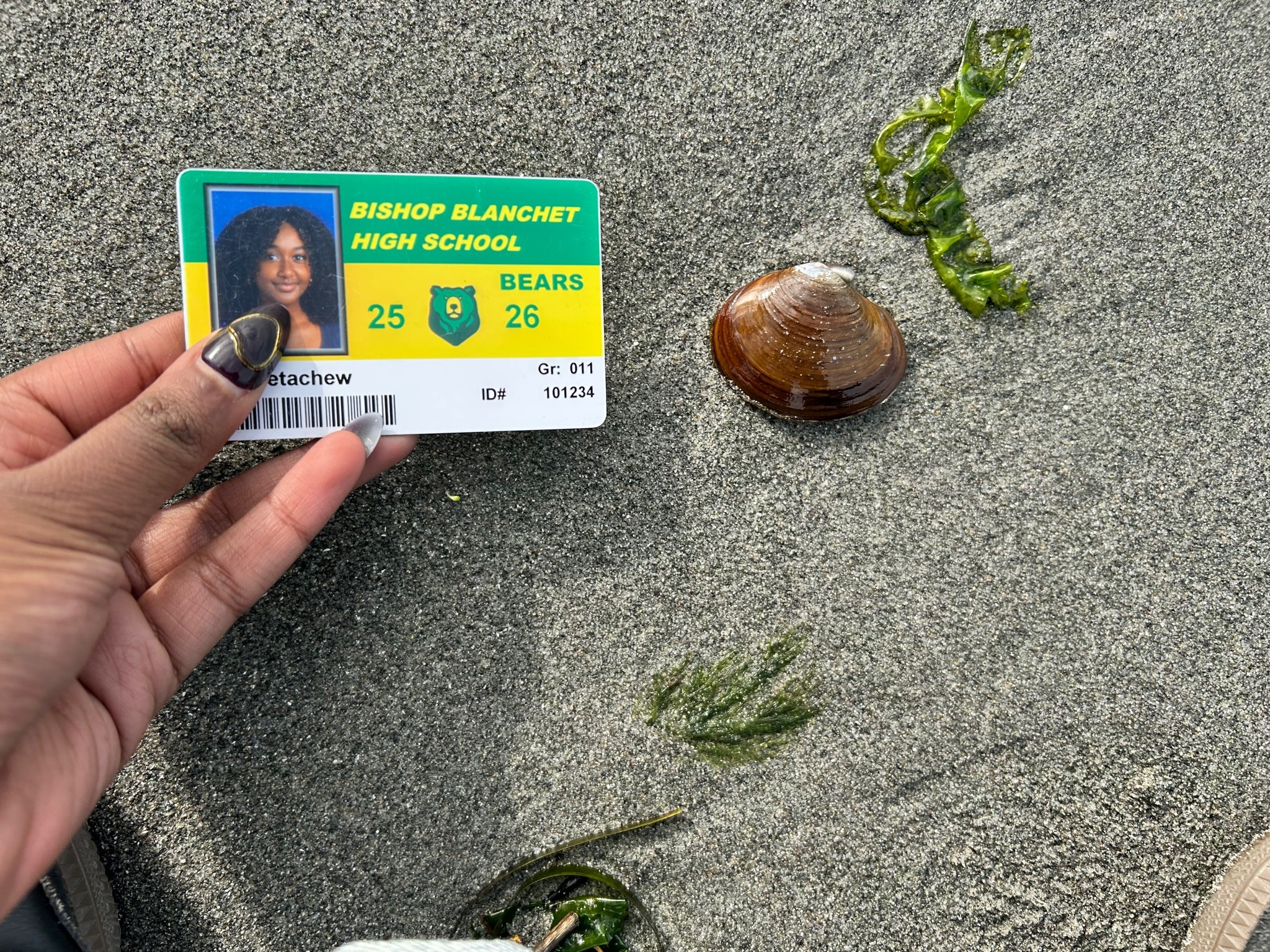
Brief Description
A bivalve mollusk with a thick, rounded shell found on sandy or muddy shorelines.
Characteristics
The shell is thick, hard, and heart-shaped or oval when viewed from the side. It features concentric growth rings and often has a brownish to gray exterior with a white and sometimes purple-stained interior.
Habitat
Intertidal and subtidal zones, typically buried in sand, mud, or gravelly substrates of bays and estuaries.
When to Find It
Can be observed year-round on beaches, especially after high tides or storms.
Conservation Status
Stable/Common
Ecological Role
Clams are vital filter feeders that help maintain water clarity by consuming plankton and organic matter. They are also a primary food source for crabs, gastropods, and birds.
Easily Confused With
Soft-shell clams (which have thinner, elongated shells) or Cockles (which have prominent radial ribs rather than concentric rings).
Observation Tips
Look for shells along the tide line or small holes in the wet sand where live clams may be buried. Always check local regulations before harvesting.
Interesting Facts
Native Americans used the purple inner portions of hard clam shells to create wampum, which served as both jewelry and a form of currency.