Sculpin
Scientific Name: Cottus sp.
Category: fish
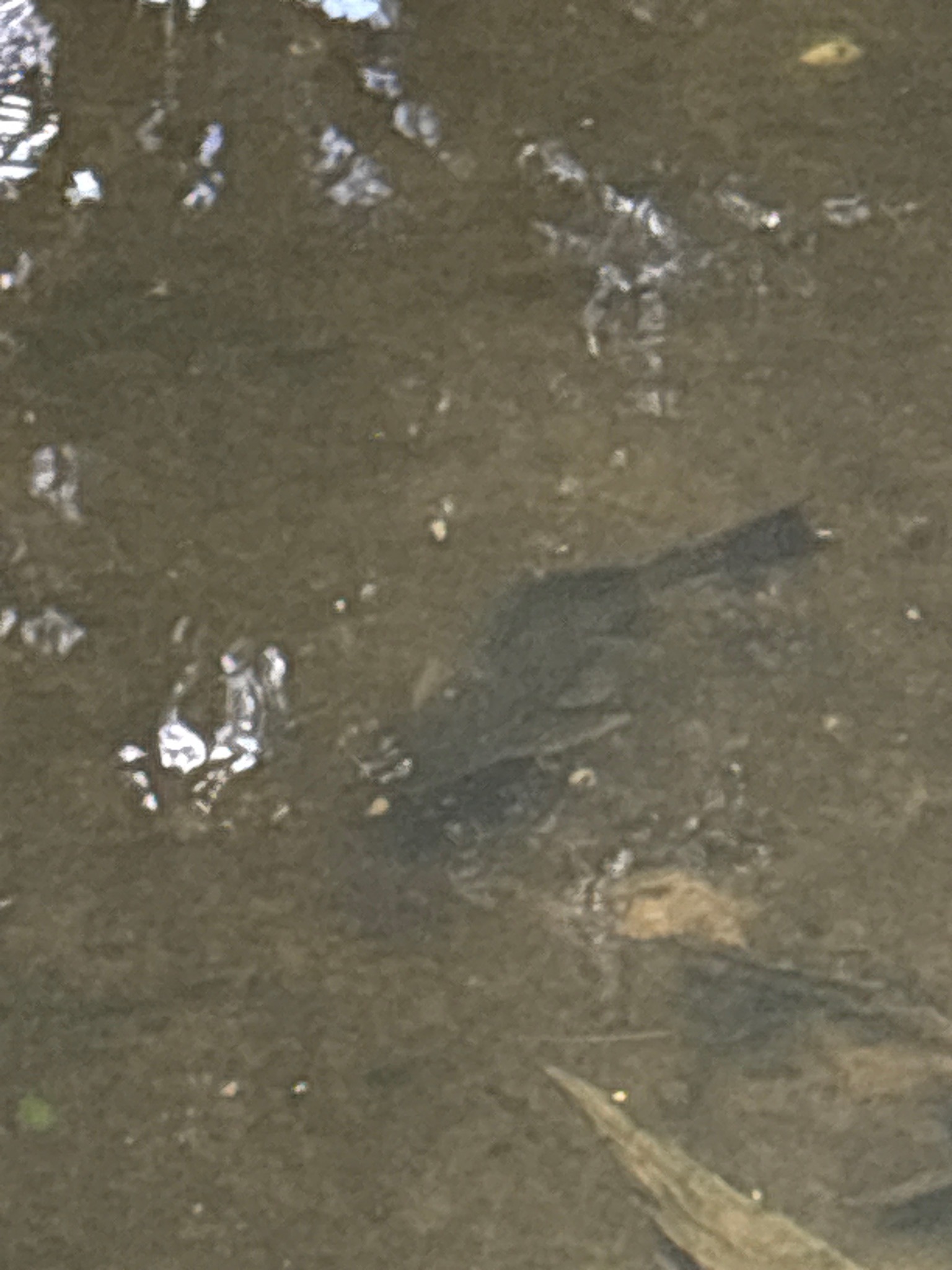
Brief Description
A small, bottom-dwelling freshwater fish known for its large head and camouflaged appearance against rocky stream beds.
Characteristics
Broad, flat head, large pectoral fins used to anchor itself against currents, and a tapering body with mottled brown or gray coloration for camouflage. They lack a swim bladder, meaning they sink when they stop swimming.
Habitat
Cool, clear, well-oxygenated freshwater streams and lakes, typically found hiding under rocks or in crevices on the substrate.
When to Find It
Year-round, though they are most active at night or in low-light conditions. Spawning typically occurs in late winter or spring.
Conservation Status
Varies by specific species; some are common while others are localized and threatened.
Ecological Role
They are important indicators of water quality and serve as a vital food source for larger predators like trout and kingfishers. They also consume aquatic insects and larvae.
Easily Confused With
Darters or Round Gobies. Darters are usually more slender and colorful; Gobies have fused pelvic fins that form a suction disk, which sculpins lack.
Observation Tips
Look in shallow, moving water. Gently turn over flat stones in riffles, but be ready—they dart away quickly to the next hiding spot.
Interesting Facts
Because sculpins lack a swim bladder, they are 'heavy' fish that spent almost all their time resting directly on the bottom of the water body.