Common Eastern Bumble Bee
Scientific Name: Bombus impatiens
Category: insect
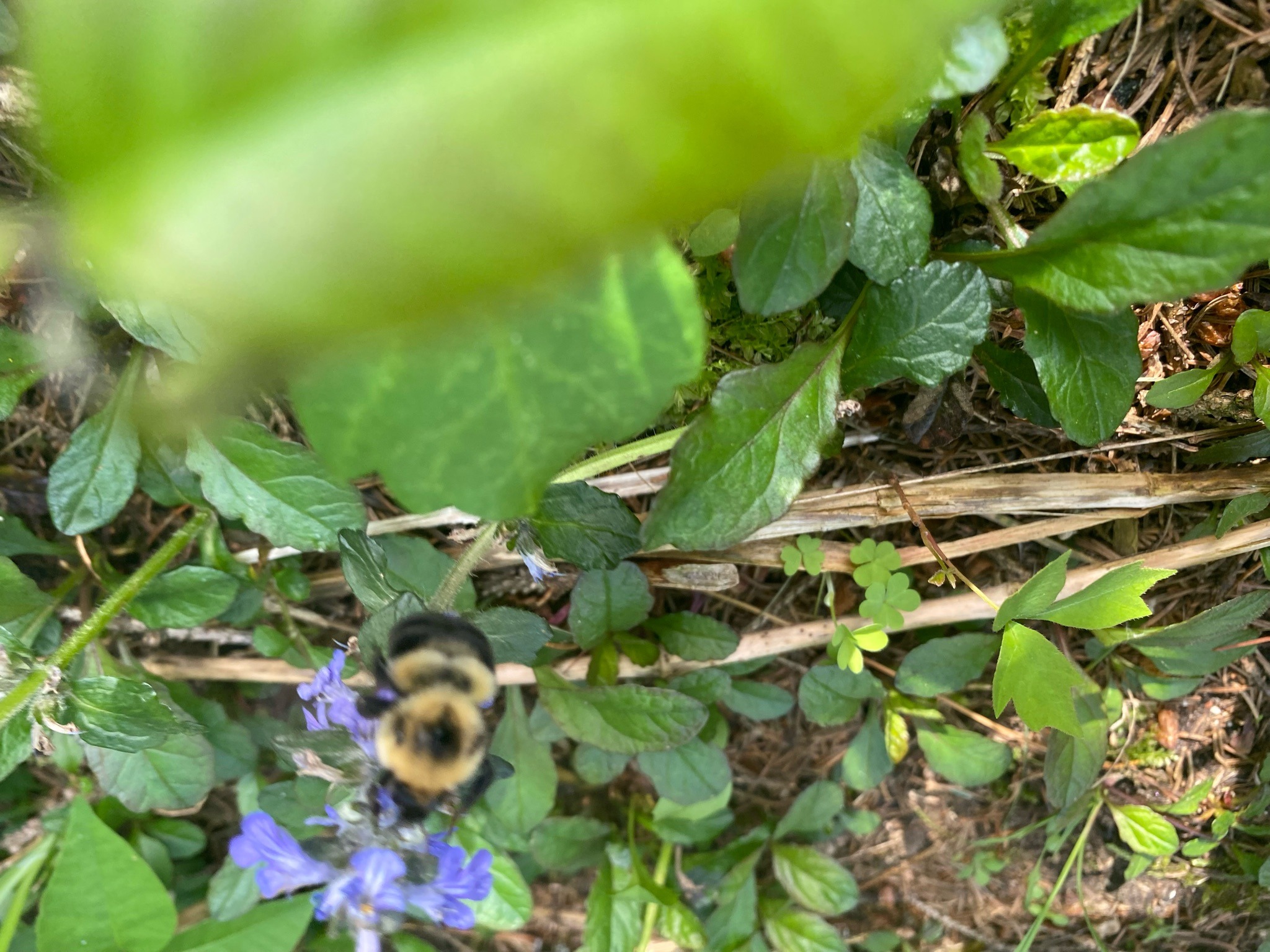
Brief Description
A large, fuzzy social bee often seen visiting flowers in North America.
Characteristics
Robust body covered in dense yellow and black hair. The first abdominal segment is yellow, while the rest are typically black. They have a distinct buzz and a relatively short tongue compared to other bumble bee species.
Habitat
Found in wide-ranging habitats including meadows, gardens, wetlands, and forests. They often nest underground in abandoned rodent burrows.
When to Find It
Active from early spring to late autumn; queens emerge first in spring, followed by workers in early summer.
Conservation Status
Least Concern
Ecological Role
Vital generalist pollinator for many native wild plants and numerous food crops such as tomatoes and blueberries.
Easily Confused With
Golden-northern Bumble Bee (Bombus fervidus) which has more yellow on the abdomen, and Carpenter Bees (Xylocopa) which have a shiny, hairless upper abdomen.
Observation Tips
Look for them foraging on flowers during daylight hours on sunny days. Avoid fast movements to observe them closely without causing distress.
Interesting Facts
Bombus impatiens is one of the most important commercial pollinators in North America and is frequently used in greenhouse tomato production. Bumble bees are capable of 'buzz pollination,' where they vibrate their flight muscles to release pollen from specific types of flowers.
User Notes
Head Lake