Praying Mantis
Scientific Name: Mantodea
Category: insect
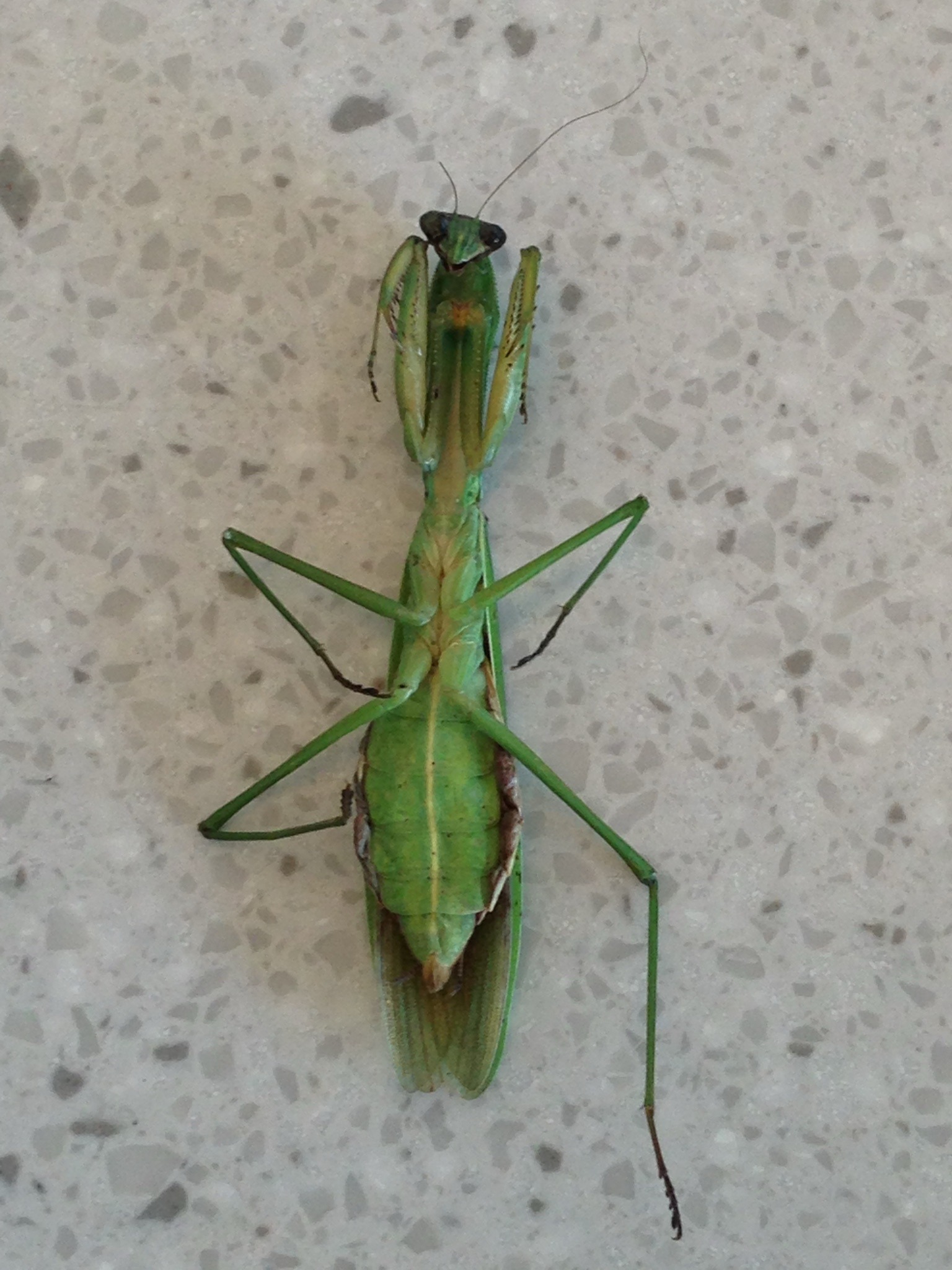
Brief Description
A large predatory insect known for its specialized front legs that are held in a prayer-like position.
Characteristics
Elongated body with a triangular head that can rotate 180 degrees, large compound eyes, and powerful raptorial forelegs equipped with spines for gripping prey. They are typically green or brown for camouflage.
Habitat
Found in gardens, meadows, forests, and shrublands. They prefer areas with tall grass or dense foliage where they can blend in.
When to Find It
Most active during late summer and autumn when individuals reach adulthood and begin mating; eggs overwinter in protective cases called oothecae.
Conservation Status
Generally common; varies by species. Some species are considered invasive while others are protected locally.
Ecological Role
Generalist predators that help control insect populations by feeding on flies, moths, crickets, and occasionally larger prey like small lizards.
Easily Confused With
Stick insects (Phasmatodea), which have thinner bodies and lack the raptorial front legs of a mantis, and Mantisflies, which are smaller and have different wing structures.
Observation Tips
Look for them sitting perfectly still on flower heads or stems. Move slowly as they have excellent vision and will react to sudden movements.
Interesting Facts
Mantises are the only insects capable of turning their heads side-to-side without moving the rest of their body. They have a single ear located on their belly that can detect ultrasonic tracking sounds from hunting bats.