Persian Silk Tree
Scientific Name: Albizia julibrissin
Category: tree
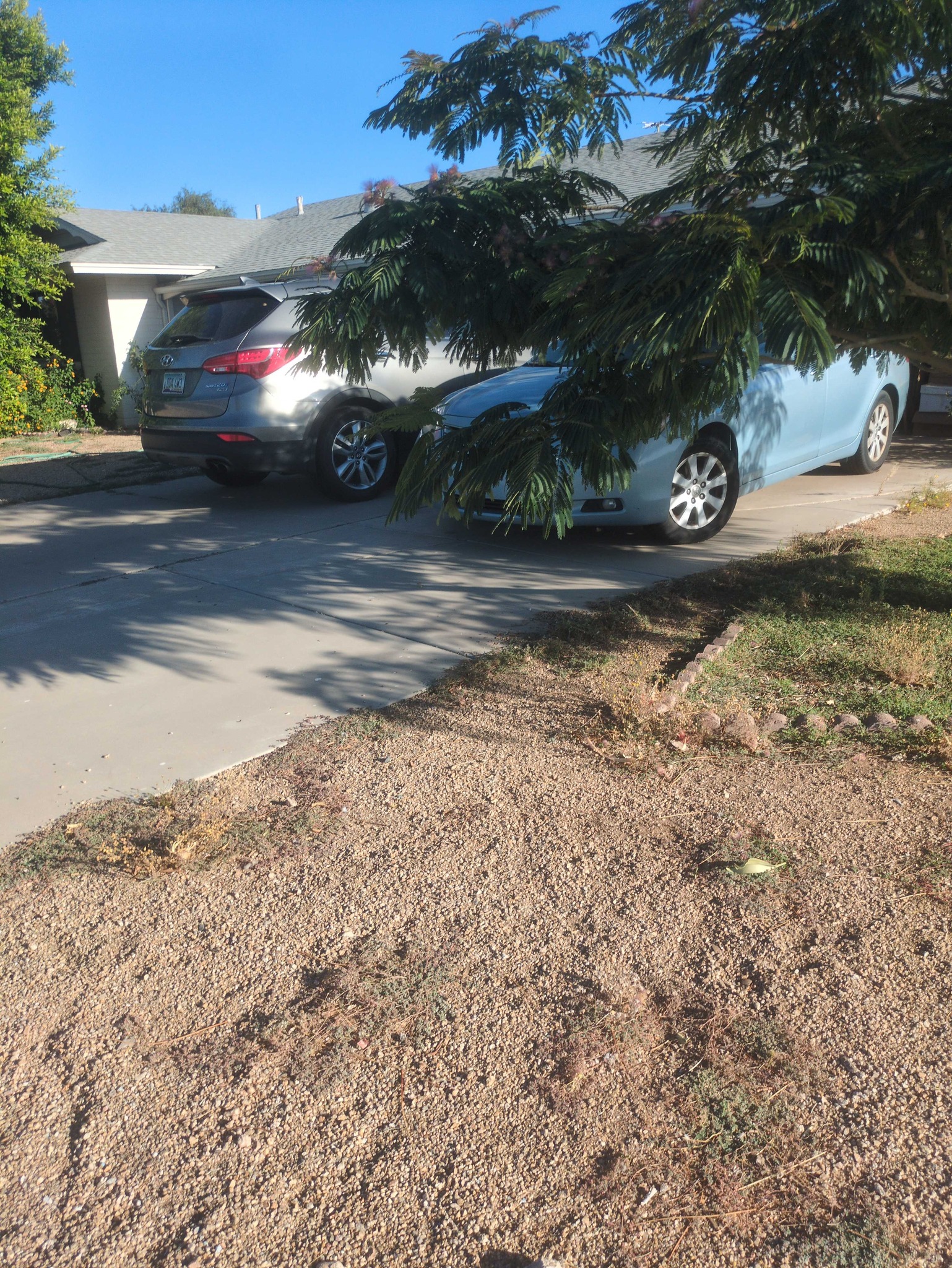
Brief Description
A deciduous tree known for its delicate, fern-like leaves and fluffy, pink, silk-like flowers.
Characteristics
Features bipinnately compound leaves that look like feathers. The flowers are clusters of long, pink-to-white stamens that resemble pom-poms or silk threads. It has a broad, umbrella-like crown.
Habitat
Commonly planted as an ornamental tree in urban and suburban landscapes; often found along roadsides and in disturbed areas.
When to Find It
Flowers typically bloom in late spring through mid-summer. The leaves are known to slowly close during the night and during rain.
Conservation Status
N/A
Ecological Role
Attracts pollinators like butterflies, bees, and hummingbirds. However, it is considered an invasive species in many parts of the United States as it competes with native vegetation.
Easily Confused With
Mimosa pudica (Sensitive Plant) which has similar leaves but is a small shrub/herb; or various Acacia species, which have similar foliage but often different flower structures.
Observation Tips
Look for the distinctive umbrella shape and fluffy pink blossoms in southern and temperate climates during June and July. Avoid planting it in areas near natural forests due to its invasive potential.
Interesting Facts
Also called the 'Mimosa tree' or 'Sleeping Tree' because its leaflets fold up at night. Though beautiful, its seeds and pods are toxic to pets and livestock.