Poison Ivy
Scientific Name: Toxicodendron radicans
Category: plant
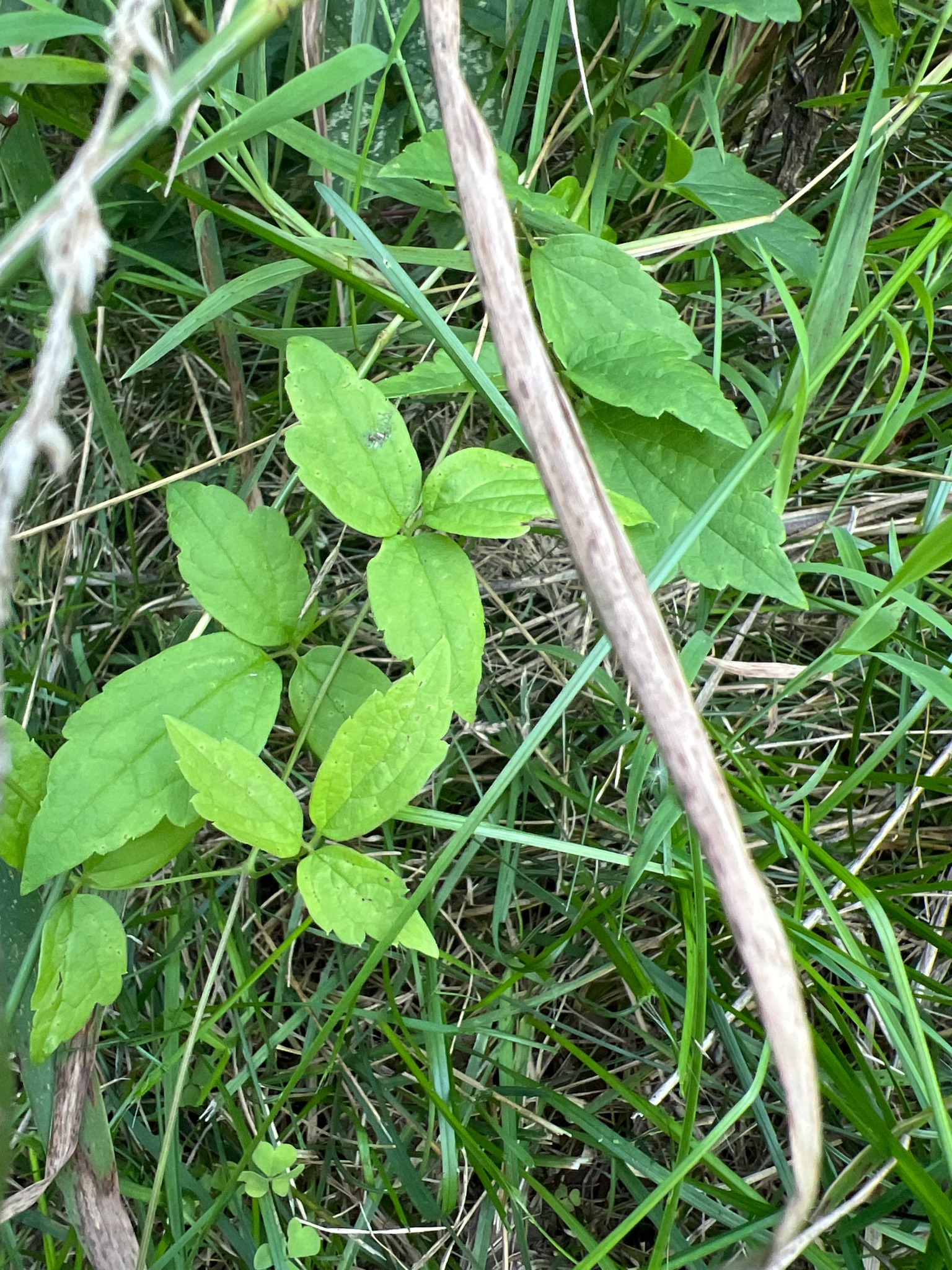
Brief Description
Poison ivy is a noxious weed well known for causing allergic contact dermatitis in humans through the oily resin urushiol found in its leaves, stems, and roots.
Characteristics
Features compound leaves typically composed of three almond-shaped leaflets, often remembered by the adage 'leaves of three, let it be.' Leaflet margins can be smooth or toothed, and the foliage turns vibrant red, orange, or yellow in autumn.
Habitat
Found in a wide range of habitats including woodlands, forest edges, fields, roadsides, and backyards, often growing as a woody vine climbing up trees or as a ground-hugging shrub.
When to Find It
Can be observed throughout the growing season from spring through autumn, and even in winter as leafless woody vines covered in hairy roots.
Conservation Status
N/A
Ecological Role
Provides food and cover for various wildlife species, particularly birds and small mammals that consume its berries.
Easily Confused With
Often confused with harmless plants like Box Elder seedlings, Virginia Creeper (which has five leaflets), and Fragrant Sumac, which can be distinguished by leaf count and arrangement.
Observation Tips
Observe from a safe distance without touching any parts of the plant. Wear long pants and sleeves if walking in areas where it may grow, and never burn poison ivy as inhaling the smoke can cause severe internal reactions.
Interesting Facts
Urushiol remains active on dead plants and inanimate objects (like clothing, tools, and pet fur) for years if not thoroughly washed off with soap and water.