European Green Crab
Scientific Name: Carcinus maenas
Category: other
Brief Description
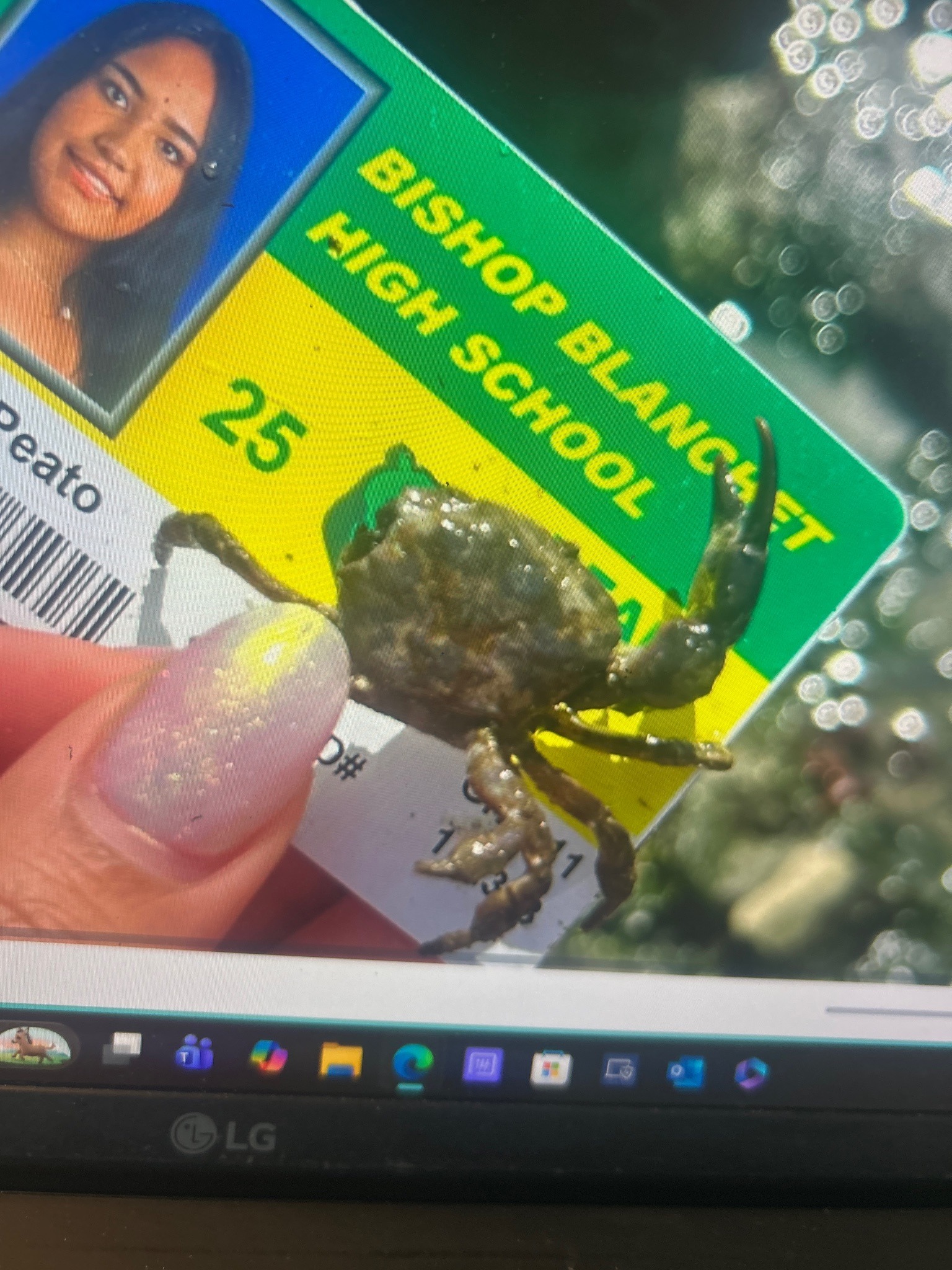
An invasive shore crab known for its aggressive nature and distinctive shell shape with five spines on each side of the eyes.
Characteristics
A small crab (up to 4 inches) typically mottled green, but can be brownish or reddish. Recognized by five prominent teeth (spines) on the outer edge of the shell beside each eye and three rounded lobes between the eyes.
Habitat
Found in shallow, protected waters, tide pools, salt marshes, and estuaries with various substrates including mud, sand, and rock.
When to Find It
Can be observed year-round in the intertidal zone, though more active in warmer months and during high tide.
Conservation Status
Invasive species; prioritized for removal in Washington state and Puget Sound.
Ecological Role
Highly invasive and destructive; they compete with native crabs and prey upon commercially important shellfish like clams, oysters, and Dungeness crab larvae.
Easily Confused With
Native crabs like the Dungeness crab (Cancer magister) or Red Rock crab (Cancer productus). They can be distinguished by the count of marginal teeth: Green crabs have 5, while Dungeness have 10.
Observation Tips
In Puget Sound, if you find one, do not release it. Report findings to the Washington Department of Fish and Wildlife (WDFW) via their website or app. Handle carefully as they are pinch-prone.
Interesting Facts
This species is considered one of the ten most unwanted species in the world due to its ability to survive in wide ranges of salinity and temperature, allowing it to easily colonize new environments.
User Notes
Puget Sound