False Parasol
Scientific Name: Chlorophyllum Molybdites
Category: fungi
Brief Description
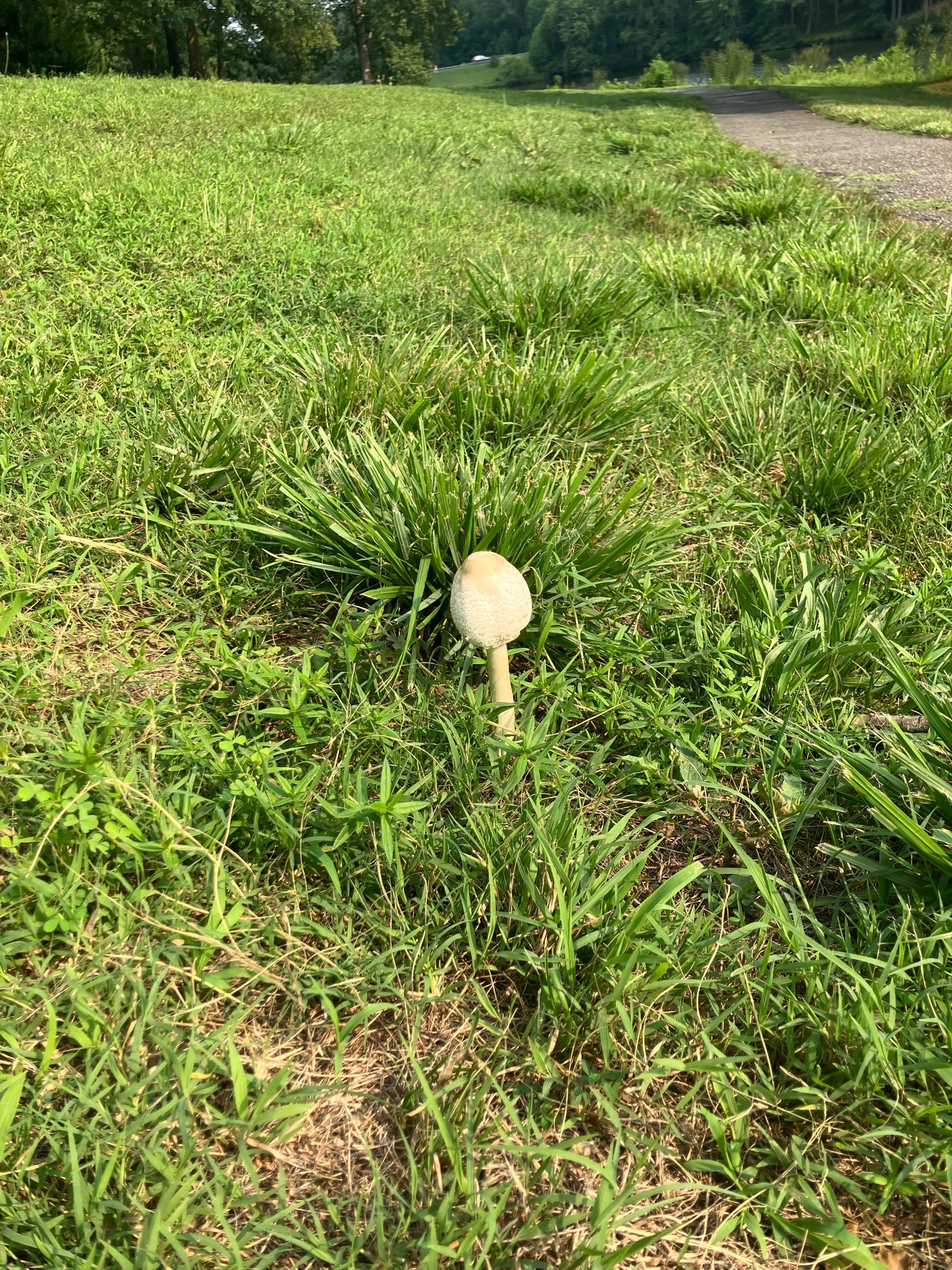
A common lawn mushroom with an oval-to-bell-shaped cap, often seen growing in grassy urban and suburban areas.
Characteristics
White to off-white cap with brownish scales or patches, tall whitish stem with a prominent ring, free gills that turn green as spores mature.
Habitat
Lawns, parks, pastures, and disturbed grassy areas.
When to Find It
Common in warm summer and early autumn months, especially after heavy rains.
Conservation Status
Common
Ecological Role
Functions as a saprotrophic fungus, decomposing dead organic plant matter and recycling nutrients back into the soil.
Easily Confused With
Macrolepiota procera (Parasol Mushroom), which has white spores and an edible status, whereas Chlorophyllum molybdites has green spores and is poisonous.
Observation Tips
Do not consume wild mushrooms from lawns. To confirm identification, perform a spore print which will reveal greenish-grey spores.
Interesting Facts
It is the most frequently ingested poisonous mushroom in North America, causing severe gastrointestinal distress.