Harbor Seal
Scientific Name: Phoca vitulina
Category: mammal
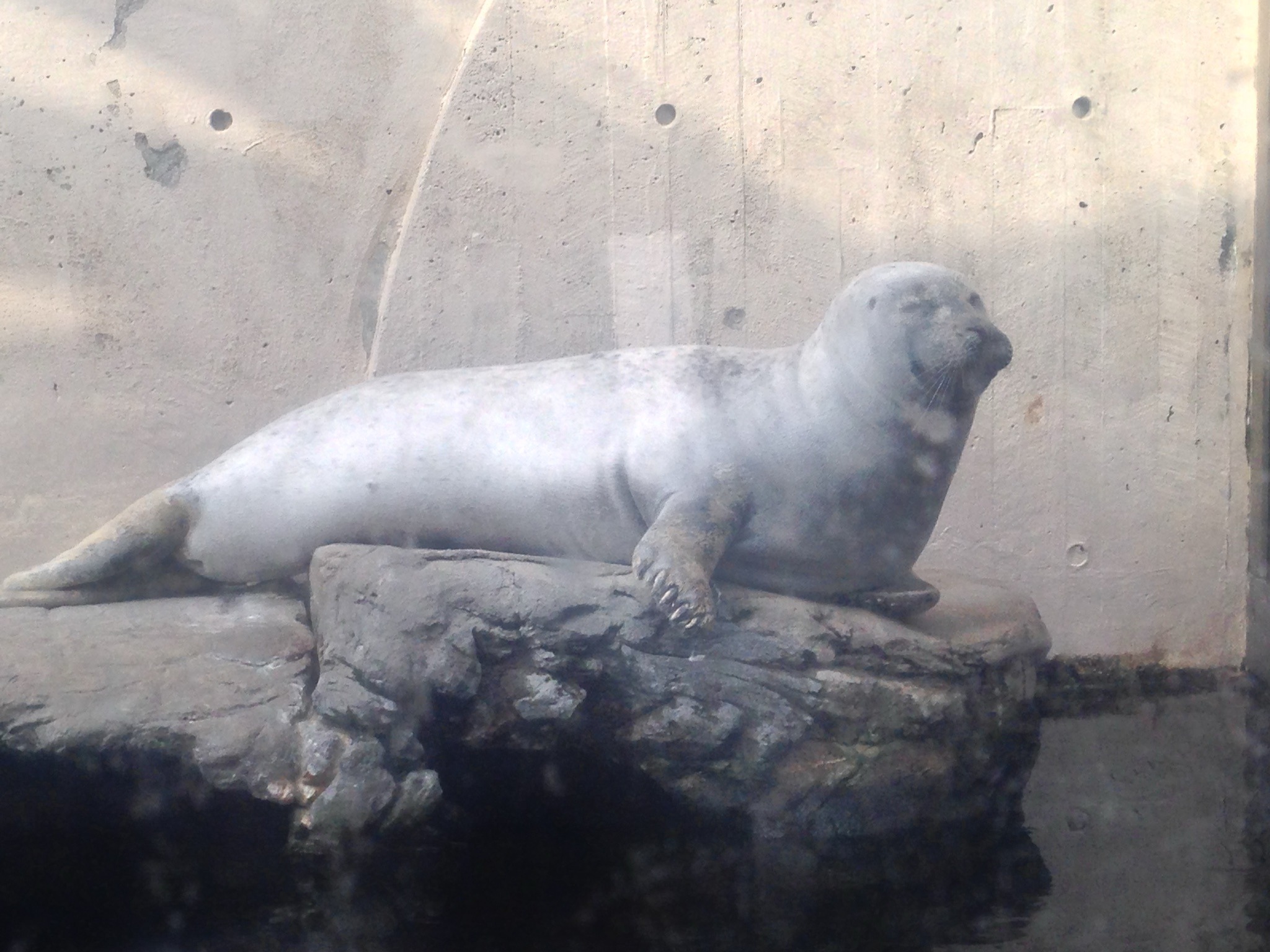
Brief Description
A medium-sized marine mammal often seen resting on rocks or sandbars known as 'hauling out'.
Characteristics
Spotted coat ranging from silver-gray to brown or black, a V-shaped nostril pattern, lack of external ear flaps, and relatively short flippers with claws.
Habitat
Coastal waters of the Northern Hemisphere, including bays, estuaries, and sandy beaches.
When to Find It
Can be observed year-round; often haul out on land during low tide to rest and thermoregulate.
Conservation Status
Least Concern (IUCN), though protected in many countries under laws like the Marine Mammal Protection Act.
Ecological Role
They are apex predators in many coastal ecosystems, helping to regulate fish and cephalopod populations.
Easily Confused With
Grey Seal (Halichoerus grypus), which is larger with a longer, 'horse-like' snout and parallel nostrils rather than V-shaped ones.
Observation Tips
Maintain a distance of at least 50-100 yards to avoid disturbing them; if they look at you or move toward the water, you are too close.
Interesting Facts
Unlike sea lions, harbor seals cannot rotate their rear flippers forward, so they move on land by 'galumphing' or belly-crawling.