Ant
Scientific Name: Formicidae
Category: insect
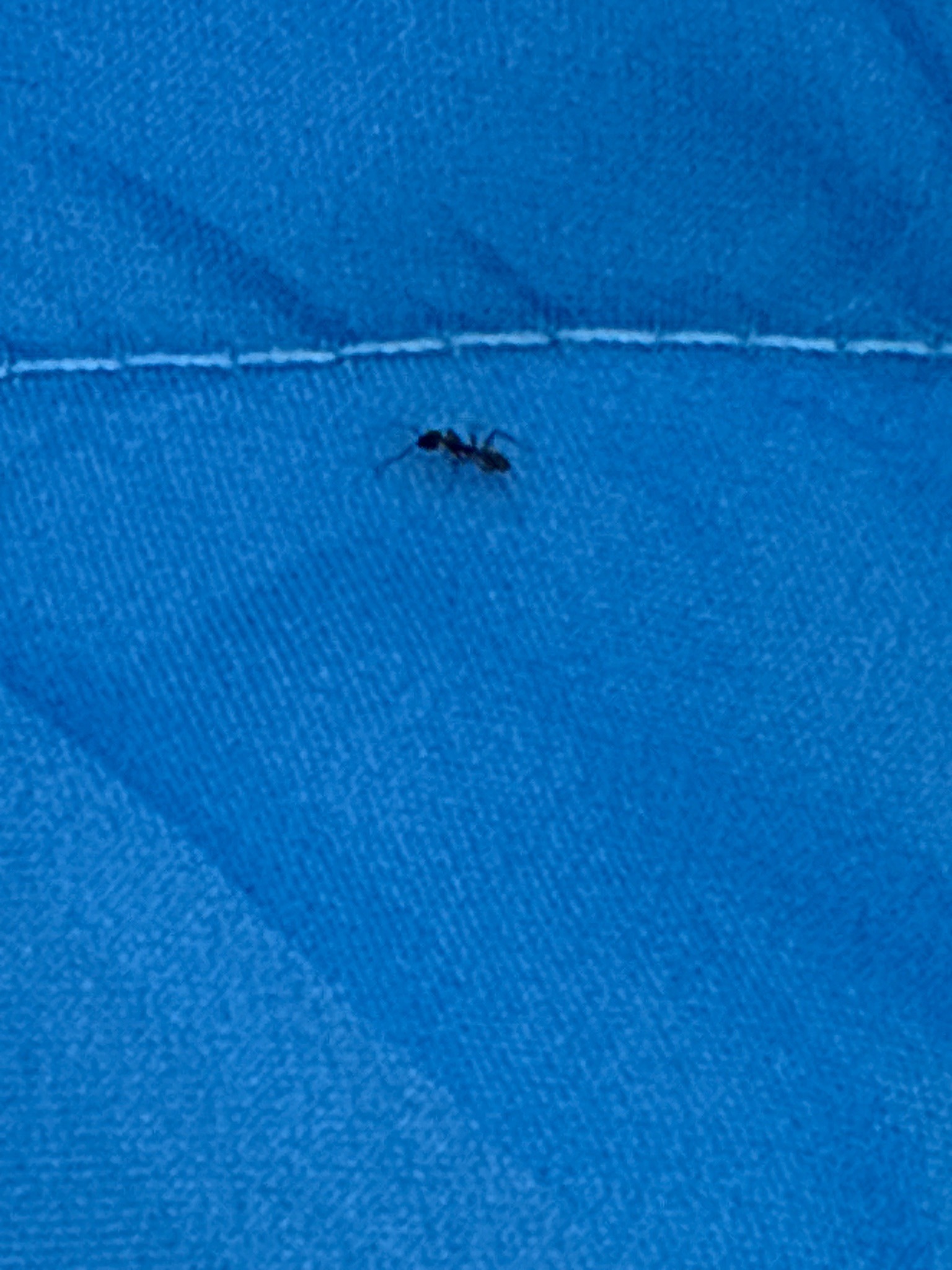
Brief Description
A small, social insect characterized by a distinct waist and elbowed antennae, commonly found crawling in colonies.
Characteristics
Body divided into three sections: head, thorax, and abdomen; six legs, elbowed antennae, and a constricted 'petiole' or waist.
Habitat
Found globally in most terrestrial habitats, including forests, grasslands, deserts, and urban environments.
When to Find It
Most active during warmer months; often seen foraging during the day or early evening depending on the species.
Conservation Status
Generally abundant; varies by specific species, though most common house/garden ants are of least concern.
Ecological Role
Crucial for aerating soil, seed dispersal, and acting as both predators and scavengers to recycle nutrients.
Easily Confused With
Termites (distinguished by straight antennae and thick waists) and some species of wingless wasps.
Observation Tips
Observe their pheromone trails to see how they communicate and coordinate movement; use a magnifying glass to see body segments clearly.
Interesting Facts
Ants can carry objects over 10 to 50 times their own body weight and communicate using chemical signals called pheromones.