Crab Molt
Scientific Name: Decapoda (Exuviae)
Category: other
Brief Description
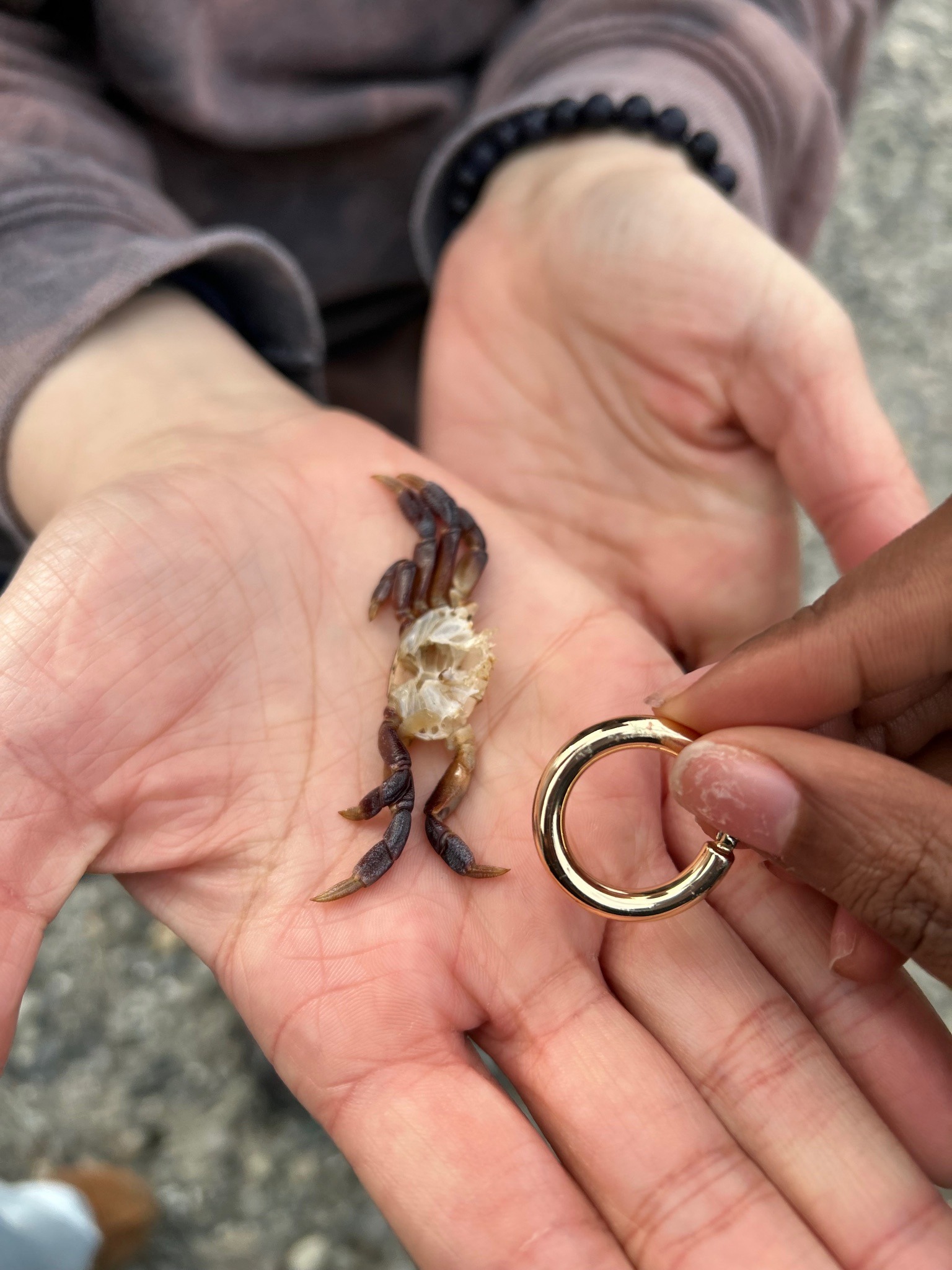
An empty exoskeleton abandoned by a crab that has grown too large for its previous shell.
Characteristics
A hollow, translucent or semitransparent shell that lacks internal meat. It often splits at the back segment where the crab crawled out. Features include hollow legs and claws.
Habitat
Intertidal zones, beaches, rocky shores, and shallow ocean floors worldwide.
When to Find It
Most common during warmer months when crab growth and metabolic rates are higher.
Conservation Status
N/A
Ecological Role
Molts provide calcium and other minerals back to the ecosystem as they break down; they are also indicators of a healthy, growing crab population.
Easily Confused With
Dead crabs; distinguished by the absence of internal tissue, a lack of smell, and the presence of a 'trapdoor' opening at the rear of the carapace.
Observation Tips
Look for these in the wrack line (debris left by high tide). They are extremely fragile when dry, so handle with care if you wish to inspect the hollow interior.
Interesting Facts
A crab must pump itself up with water to crack its old shell and then hide for several days while its new, larger 'soft shell' hardens into a protective armor.