Platypus
Scientific Name: Ornithorhynchus anatinus
Category: mammal
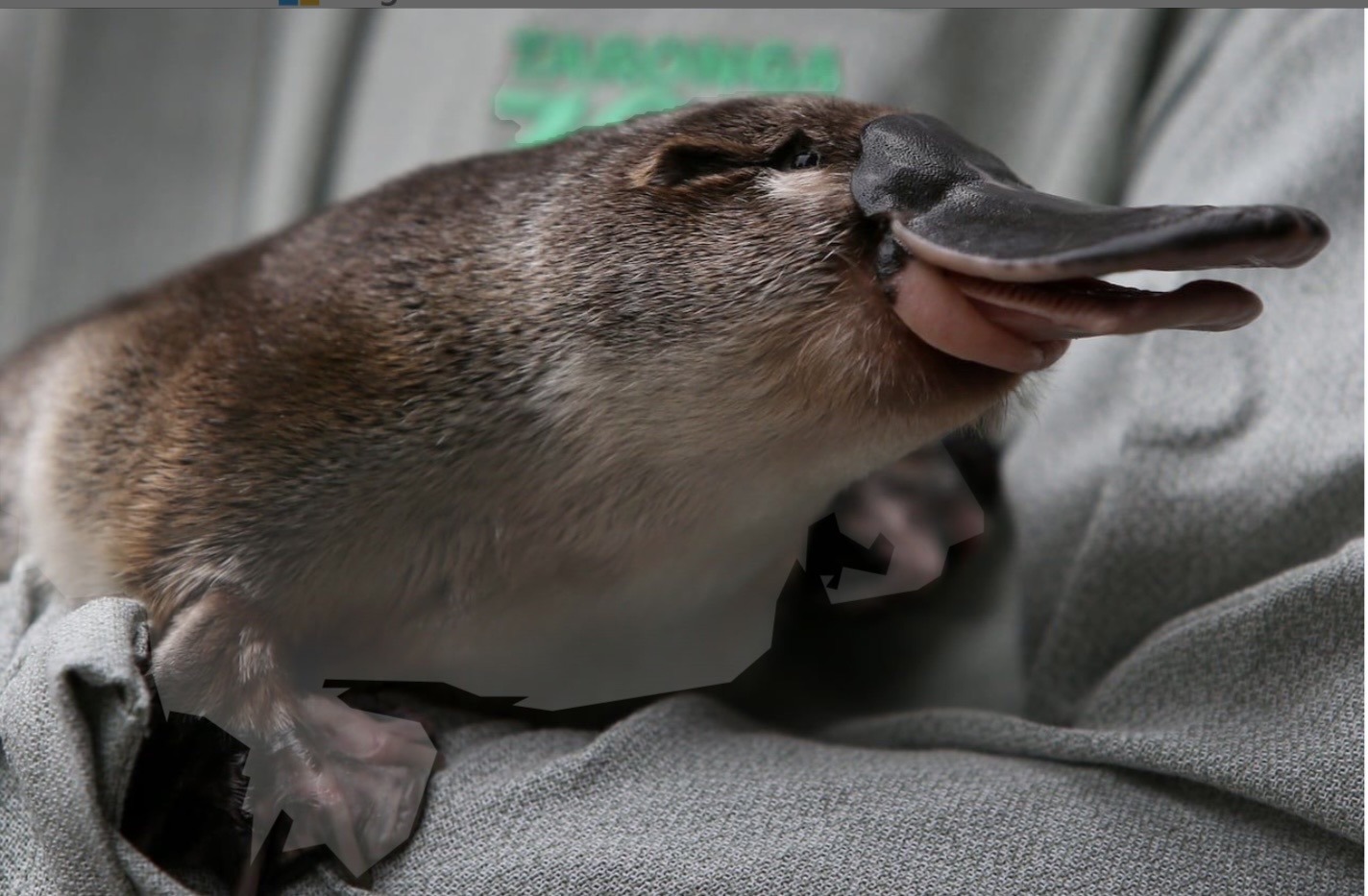
Brief Description
A unique, egg-laying semi-aquatic mammal endemic to eastern Australia, easily recognized by its duck-like bill, beaver-like tail, and otter-like feet.
Characteristics
Streamlined body covered in dense, waterproof brown fur, a broad and leathery duck-like bill equipped with electroreceptors, webbed front feet for swimming, and a flat tail used for fat storage. Males also possess venomous spurs on their hind legs.
Habitat
Freshwater rivers, lakes, streams, and associated riparian zones ranging from the cold highlands of Tasmania and the Australian Alps to tropical rainforest streams in Queensland.
When to Find It
Crepuscular and nocturnal, most active at dawn, dusk, and during the night, though they can sometimes be seen foraging on overcast days.
Conservation Status
Near Threatened
Ecological Role
Acts as an apex predator in freshwater benthic ecosystems, helping control populations of freshwater invertebrates, insect larvae, shrimp, and yabbies.
Easily Confused With
There are no other mammals with a duck bill, making it largely unmistakable. However, its aquatic habits can sometimes lead to fleeting confusion with water rats or water-mice from a distance.
Observation Tips
Visit quiet freshwater rivers or lakes at dawn or dusk. Look for circular ripples on the water surface and bubbles indicating a platypus is foraging on the bottom. Maintain a respectful distance and avoid disturbing them.
Interesting Facts
The platypus is one of the very few venomous mammals and one of only five extant species of monotremes, which are mammals that lay eggs instead of giving birth to live young. They also lack a stomach.