Nuttall's Cockle
Scientific Name: Clinocardium nuttallii
Category: shell
Brief Description
A large, edible saltwater clam known for its sturdy, heart-shaped shell and prominent radiating ridges.
Characteristics
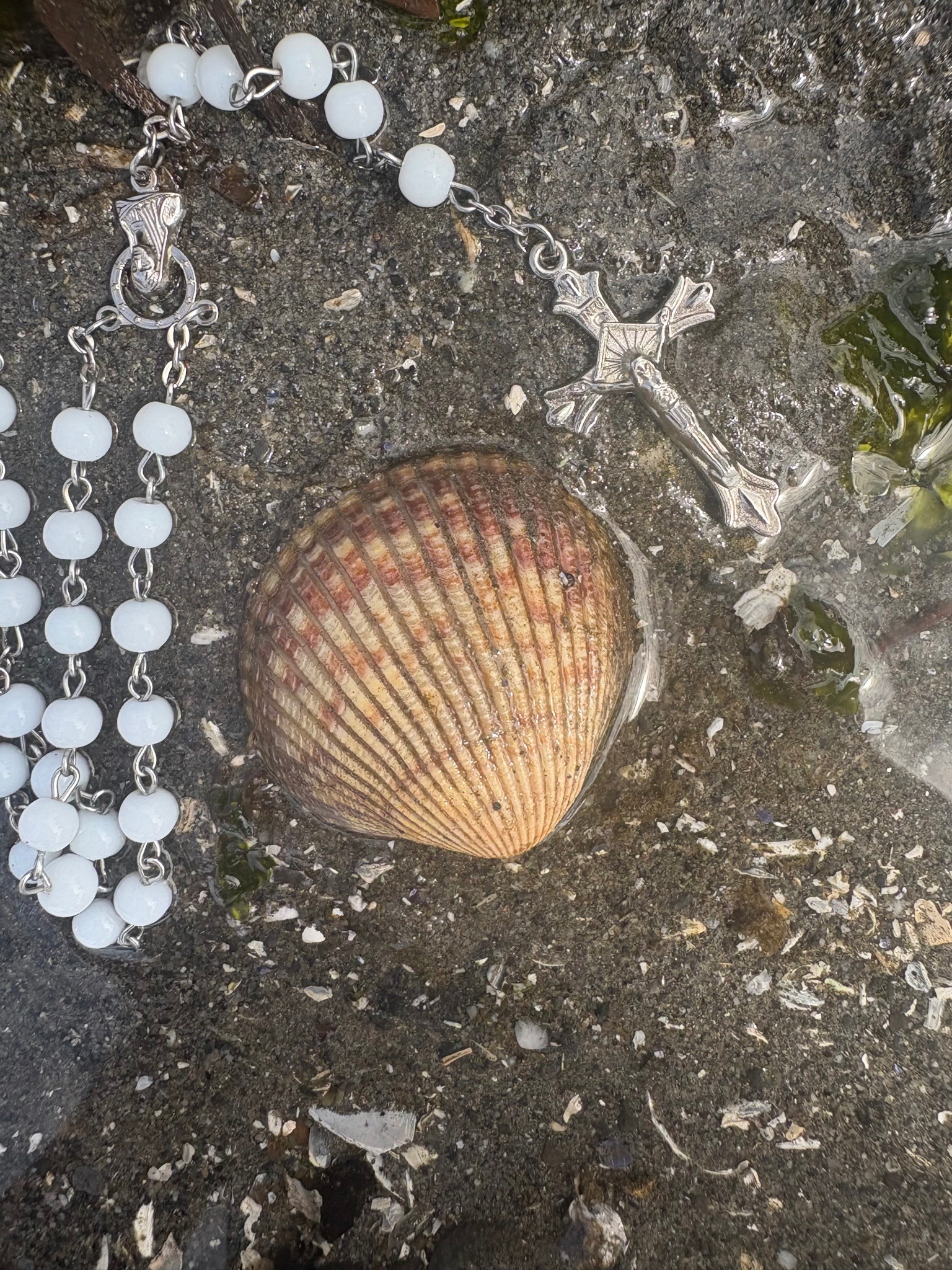
The shell is thick and heavy with approximately 34 to 38 strong radiating ribs. It is brownish to mottled yellowish in color, often with purple or reddish bands. When viewed from the side, the two valves together form a distinct heart shape.
Habitat
Typically found in sandy or muddy substrates in the intertidal and subtidal zones of bays and estuaries.
When to Find It
Can be observed year-round, especially during low tides when tidal flats are exposed.
Conservation Status
Common/Least Concern
Ecological Role
A significant food source for many marine predators, including sea stars, crabs, snails, and sea birds like gulls. They are filter feeders that help maintain water quality.
Easily Confused With
Common Cockle (Cerastoderma edule), which is generally smaller and found in different geographic ranges, and various species of scallops which have 'ears' (auricles) at the hinge that cockles lack.
Observation Tips
Look for these in the Puget Sound or along the Washington coast during low tide. They are often partially buried in the sand. Be mindful of local harvesting regulations and biotoxin warnings if planning to handle or collect.
Interesting Facts
This species is named after Thomas Nuttall, a famous 19th-century naturalist. They are capable of using their powerful muscular 'foot' to leap away from predators like sea stars.
User Notes
Found on a washington state beach