Western Heartleaf Twayblade
Scientific Name: Neottia banksiana
Category: plant
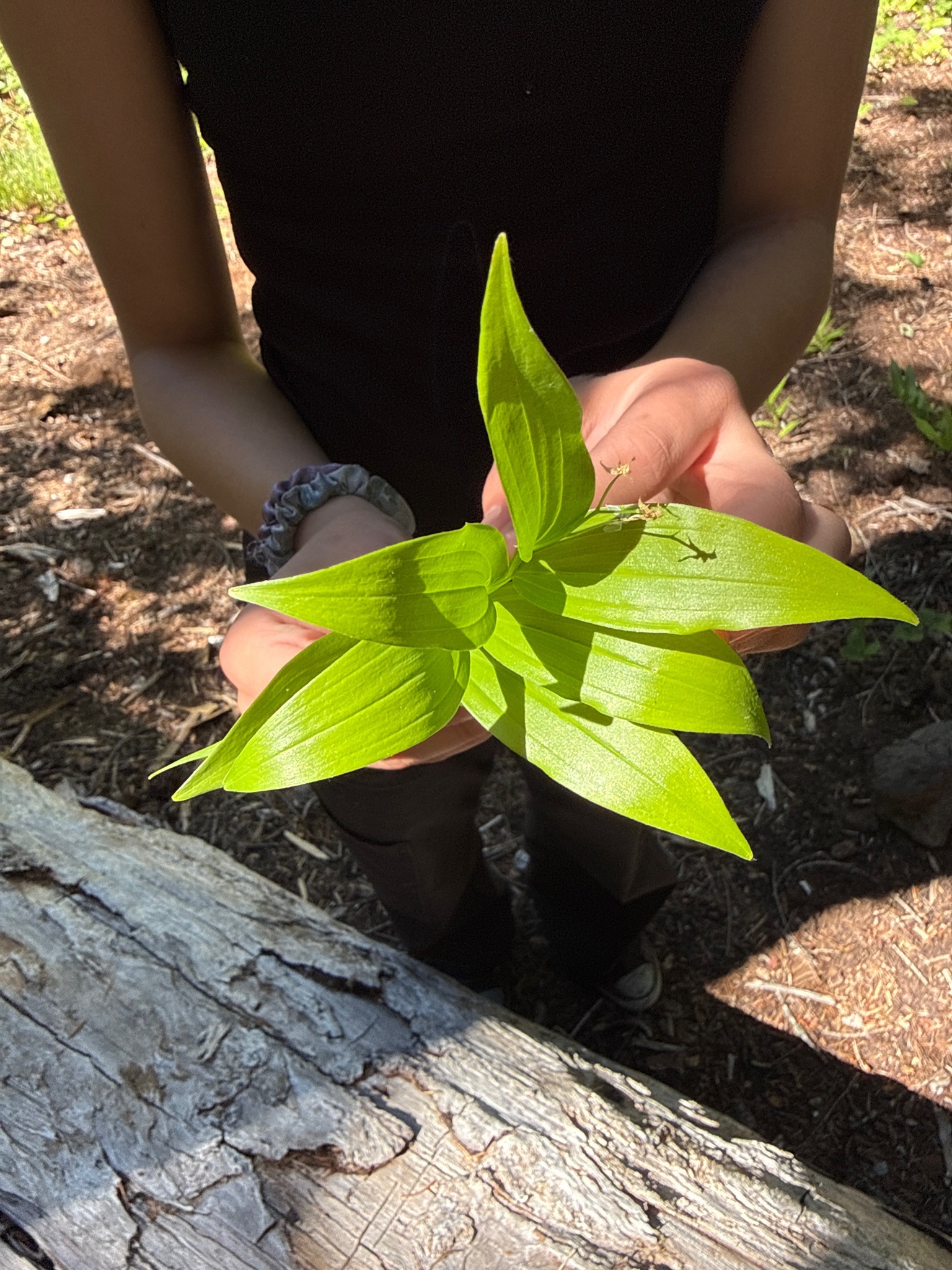
Brief Description
A small, inconspicuous orchid found in moist, shaded forests, characterized by a single pair of opposite, heart-shaped leaves.
Characteristics
Features two nearly opposite, sessile, broadly ovate to heart-shaped green leaves midway up the stem. The inflorescence is a terminal raceme of small, translucent greenish to yellowish-maroon flowers with a prominent forked lip.
Habitat
Moist to wet coniferous forests, mossy stream banks, and shaded seepage areas. Found in the Pacific Northwest and parts of the Rocky Mountains in North America.
When to Find It
Typically blooms from late spring to mid-summer (May through August), depending on elevation.
Conservation Status
Generally stable, though can be rare or sensitive at the edges of its range due to habitat loss.
Ecological Role
As an orchid, it participates in complex mycorrhizal relationships with soil fungi. It provides a nectar source for small gnats and flies that serve as its primary pollinators.
Easily Confused With
Broad-lipped Twayblade (Neottia convallarioides), which has more oval leaves and a different lip shape on the flower; and Northwestern Twayblade (Neottia banksiana synonyms), which are sometimes difficult to distinguish without seeing the flowers.
Observation Tips
Look in deep shade near logs or water sources. Because of its small size and green coloration, it is very easy to overlook. Tread carefully to avoid crushing the delicate forest floor vegetation.
Interesting Facts
The genus name Neottia comes from the Greek word for 'nest,' referring to the tangled, bird-nest-like appearance of the roots in some related species.