Neem Tree
Scientific Name: Azadirachta indica
Category: tree
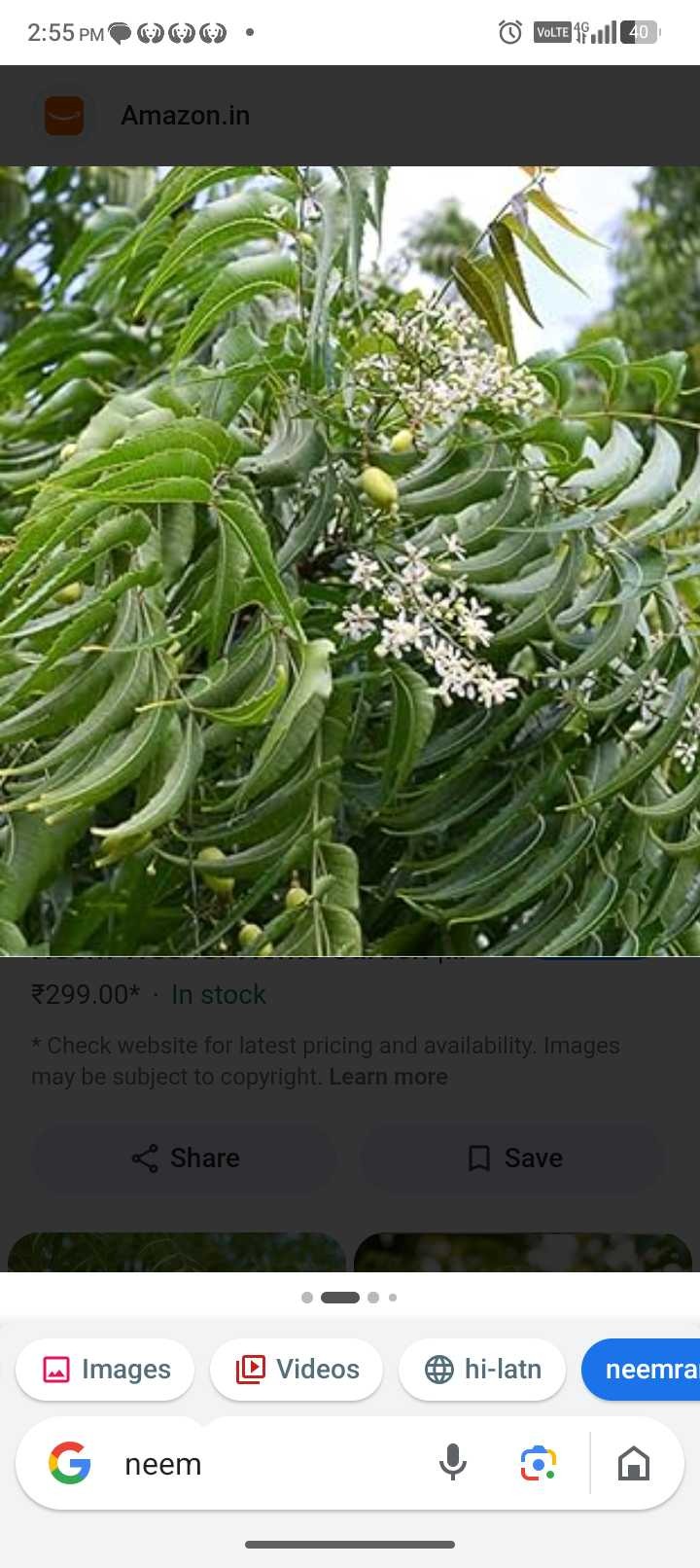
Brief Description
A fast-growing evergreen tree well-known for its medicinal properties, drought resistance, and distinctive pinnate leaves with white flowers and smooth olive-like drupe fruits.
Characteristics
Features alternate, pinnate leaves with sharply toothed leaflets, small fragrant white flowers arranged in drooping panicles, and smooth, green-to-yellowish-green oval fruits containing a single seed.
Habitat
Tropical and subtropical regions, thriving in semi-arid to moist areas, often found in dry forests, along roadsides, and in agricultural or domestic landscapes.
When to Find It
Flowers typically appear from January to March in many regions, while fruits ripen during the summer months.
Conservation Status
Least Concern
Ecological Role
Provides shade, improves soil fertility through nitrogen-rich leaf litter, acts as a natural insecticide and air purifier, and serves as a vital food and habitat source for various birds and insects.
Easily Confused With
Chinaberry tree (Melia azedarach), which has toxic purple-lilac flowers and rounded, yellowish berries that persist on the tree longer.
Observation Tips
Look for its asymmetrical, toothed leaflets and characteristic garlic-like or sulfur-like aroma when leaves are crushed. Best observed during daytime in tropical or subtropical climates.
Interesting Facts
Every part of the neem tree—leaves, bark, seeds, and roots—has been used for centuries in traditional medicine and organic agriculture due to its powerful antimicrobial and insect-repellent compounds, primarily azadirachtin.