Wood Vetch
Scientific Name: Vicia sylvatica
Category: plant
Brief Description
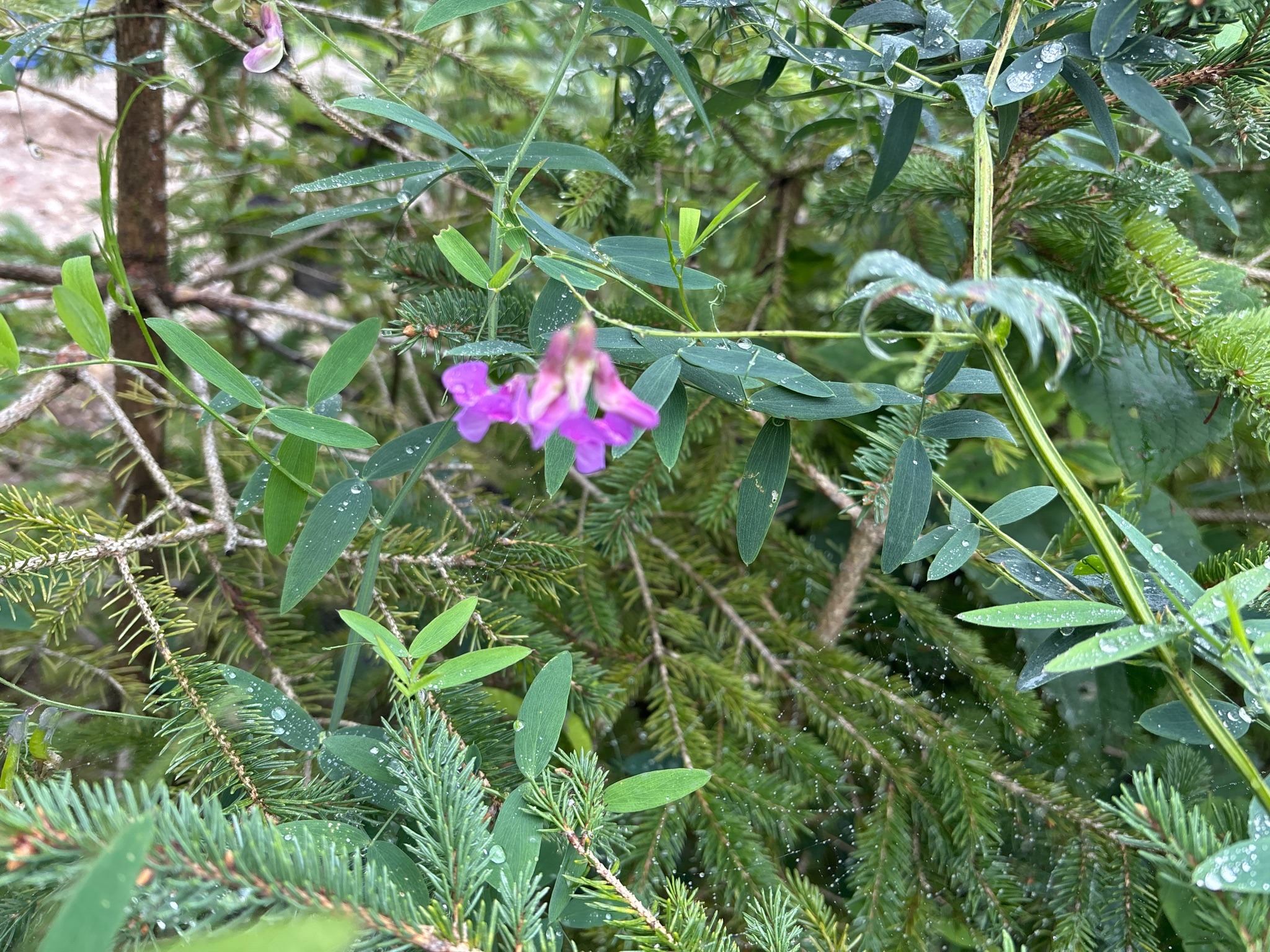
Wood vetch is a climbing herbaceous perennial plant featuring delicate pinnate leaves, tendrils, and clusters of purple-to-violet pea-like flowers.
Characteristics
Stems are climbing and scrambling, reaching up to two meters long using branched tendrils. Leaves are pinnate with 6 to 10 pairs of elliptical leaflets. Flowers are drooping, white tinged with purple or veined with bluish-purple, arranged in one-sided racemes.
Habitat
Found in deciduous and mixed woodlands, scrub, forest edges, and shaded hedgerows, typically preferring damp or well-drained soils rich in humus.
When to Find It
Flowers typically bloom from June to August, best observed during summer mornings when dew collects on the foliage.
Conservation Status
Least Concern globally, though locally declining in areas experiencing heavy woodland clearance or intense shading from dense forestry.
Ecological Role
Provides nectar for native bees, butterflies, and other pollinators, while its foliage serves as a food source for caterpillars of various moth species.
Easily Confused With
Can be confused with Tufted Vetch (Vicia cracca), which has brighter, more densely packed blue-purple flowers and narrower leaflets. Wood vetch typically grows in shadier, wooded environments and has paler flowers with distinct purple veining.
Observation Tips
Look along woodland edges and clearings where sunlight reaches the understory, scanning for climbing stems scrambling over shrubs like spruce or briars.
Interesting Facts
Like many members of the Fabaceae family, wood vetch forms symbiotic relationships with nitrogen-fixing bacteria in its root nodules, which helps enrich forest soils.