Plumose Anemone
Scientific Name: Metridium senile
Category: other
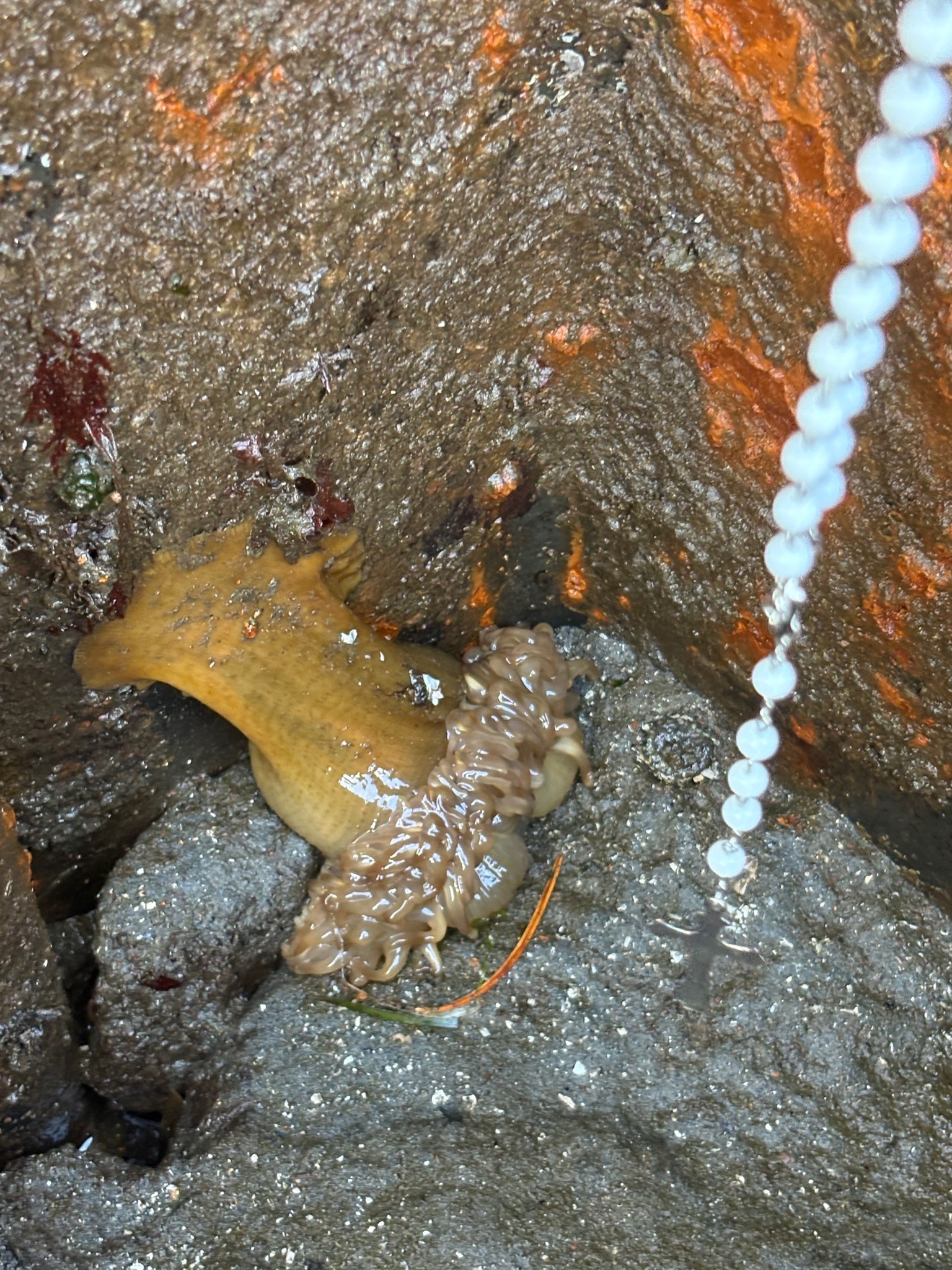
Brief Description
A marine invertebrate known for its soft, fluffy-looking crown of tentacles, often found attached to rocks or pilings in the intertidal zone.
Characteristics
Columnar body with a broad, lobed oral disc covered in numerous short, slender tentacles. Colors range from white and cream to tan, orange, or brown. When out of water and retracted, it looks like a gelatinous blob.
Habitat
Found on rocks, shells, and man-made structures like dock pilings in intertidal and subtidal zones.
When to Find It
Visible year-round, best observed during low tide.
Conservation Status
Not Evaluated (Common)
Ecological Role
A passive suspension feeder that helps filter organic particles and small plankton from the water column; provides habitat for small commensal organisms.
Easily Confused With
Giant Green Anemone (Anthopleura xanthogrammica), which has thicker, blunt tentacles and a distinct green color from symbiotic algae. Metridium is distinguished by its 'frilled' or 'plumose' appearance when submerged.
Observation Tips
Look in shaded crevices or under docks at low tide. Avoid touching as their skin is delicate, and they may sting small prey (though usually harmless to human skin contact, it's best to leave them undisturbed).
Interesting Facts
Plumose anemones can reproduce asexually through a process called pedal laceration, where small pieces of their 'foot' break off and grow into new, genetically identical anemones.
User Notes
Washington state beach