Bladder Wrack (Rockweed)
Scientific Name: Fucus vesiculosus
Category: plant
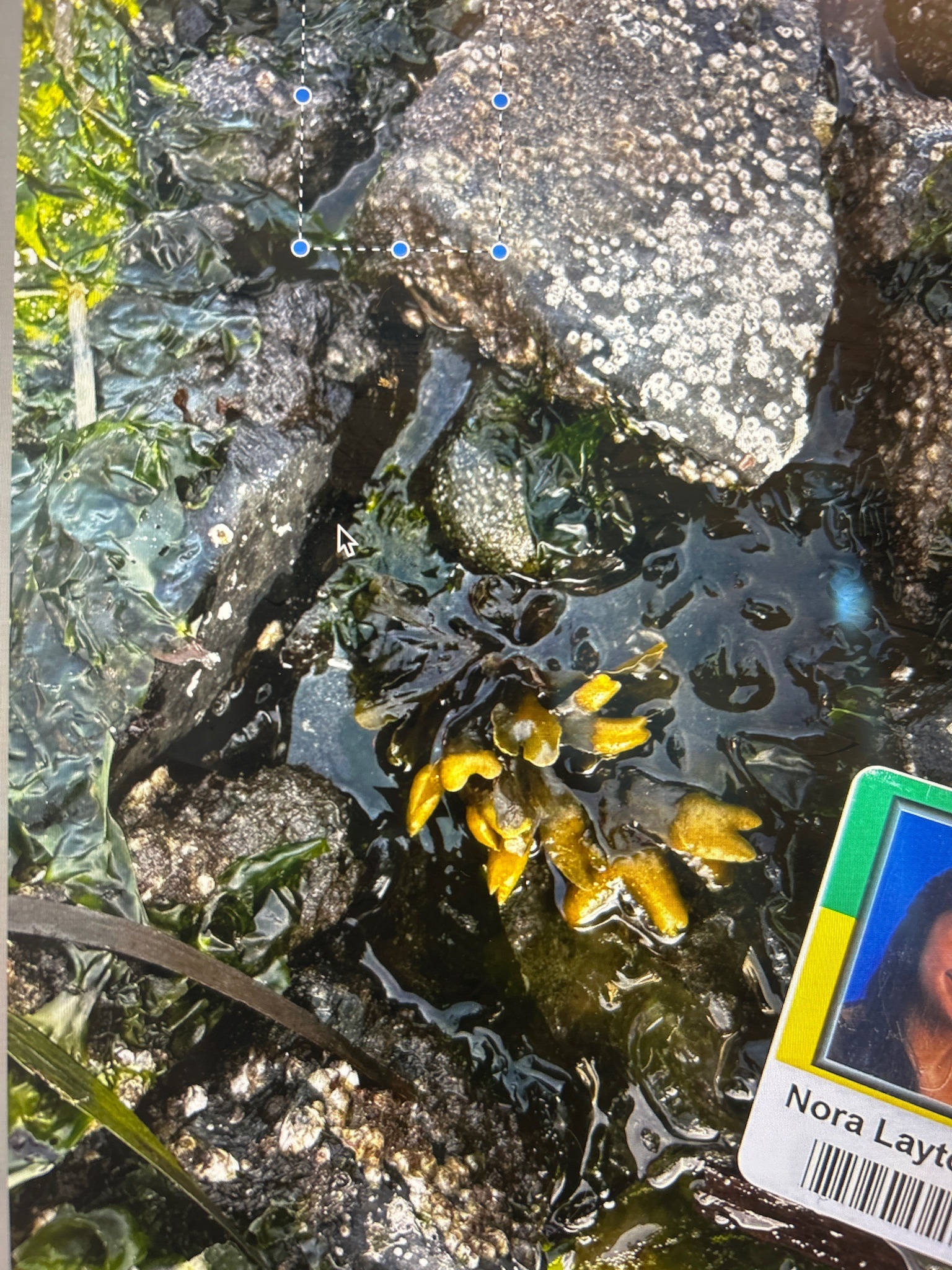
Brief Description
A common brown seaweed found on rocky shorelines, recognized by its olive-green fronds and paired air bladders.
Characteristics
Olive-brown or yellowish-green strap-like fronds with a prominent midrib. It typically features pairs of spherical air bladders (vesicles) and swollen, bumpy reproductive tips.
Habitat
Intertidal zones of rocky shores, attached to stones and solid substrates.
When to Find It
Visible year-round, with peak reproductive swelling often seen in spring and summer.
Conservation Status
Generally common, though sensitive to coastal pollution and rising sea temperatures in some regions.
Ecological Role
Provides critical habitat and shelter for small marine invertebrates and juvenile fish; acts as a primary producer in coastal food webs.
Easily Confused With
Spiral wrack (Fucus spiralis) which lacks air bladders, and Knotted wrack (Ascophyllum nodosum) which has single bladders along a thicker stem.
Observation Tips
Best viewed during low tide in rocky intertidal pools. Be careful of slippery rocks and always watch the incoming tide.
Interesting Facts
The air bladders help the seaweed float upright when the tide is in, allowing it to reach more sunlight for photosynthesis. It has been used historically as a source of iodine.