Turkish Towel or Sea Staghorn (Red Algae)
Scientific Name: Chondracanthus spp. or Gracilaria spp.
Category: plant
Brief Description
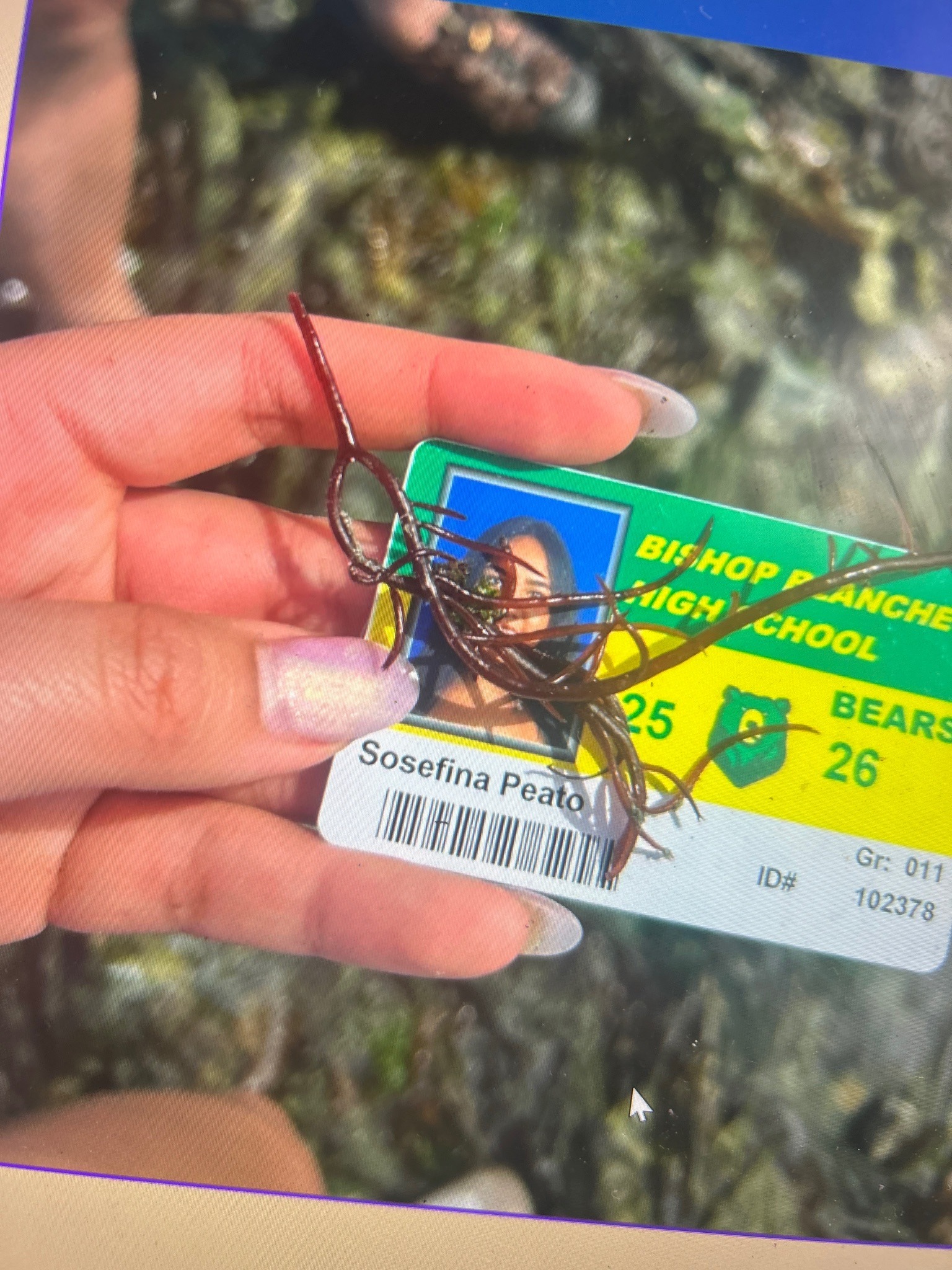
A branching red seaweed found in the intertidal zones of the Pacific Northwest, appearing as dark, reddish-brown cylindrical stalks.
Characteristics
Cartilaginous, firm texture with many branches. The color ranges from dark reddish-brown to almost black, becoming translucent when held to light. Branches are typically cylindrical and may be somewhat flattened.
Habitat
Low intertidal to shallow subtidal zones on rocky shores and tide pools. Found along the Pacific Coast of North America, including Puget Sound.
When to Find It
Perennial, but most visible during low tide cycles throughout the spring and summer.
Conservation Status
N/A
Ecological Role
Provides food and shelter for small marine invertebrates like isopods and snails. It contributes to the primary productivity of the nearshore ecosystem.
Easily Confused With
Often confused with Mastocarpus (Turkish Washcloth) or various species of Gracilariopsis. Gracilariopsis is usually much longer and more hair-like, whereas Chondracanthus is stiffer.
Observation Tips
Best observed at low tide among rocky reefs. Handle gently as these organisms are fragile when removed from the water. Always check local regulations before collecting.
Interesting Facts
Red algae are unique because they contain phycoerythrin, a pigment that allows them to photosynthesize at greater depths than green or brown algae by absorbing blue light.
User Notes
Puget Sound