Wild Marjoram
Scientific Name: Origanum vulgare
Category: plant
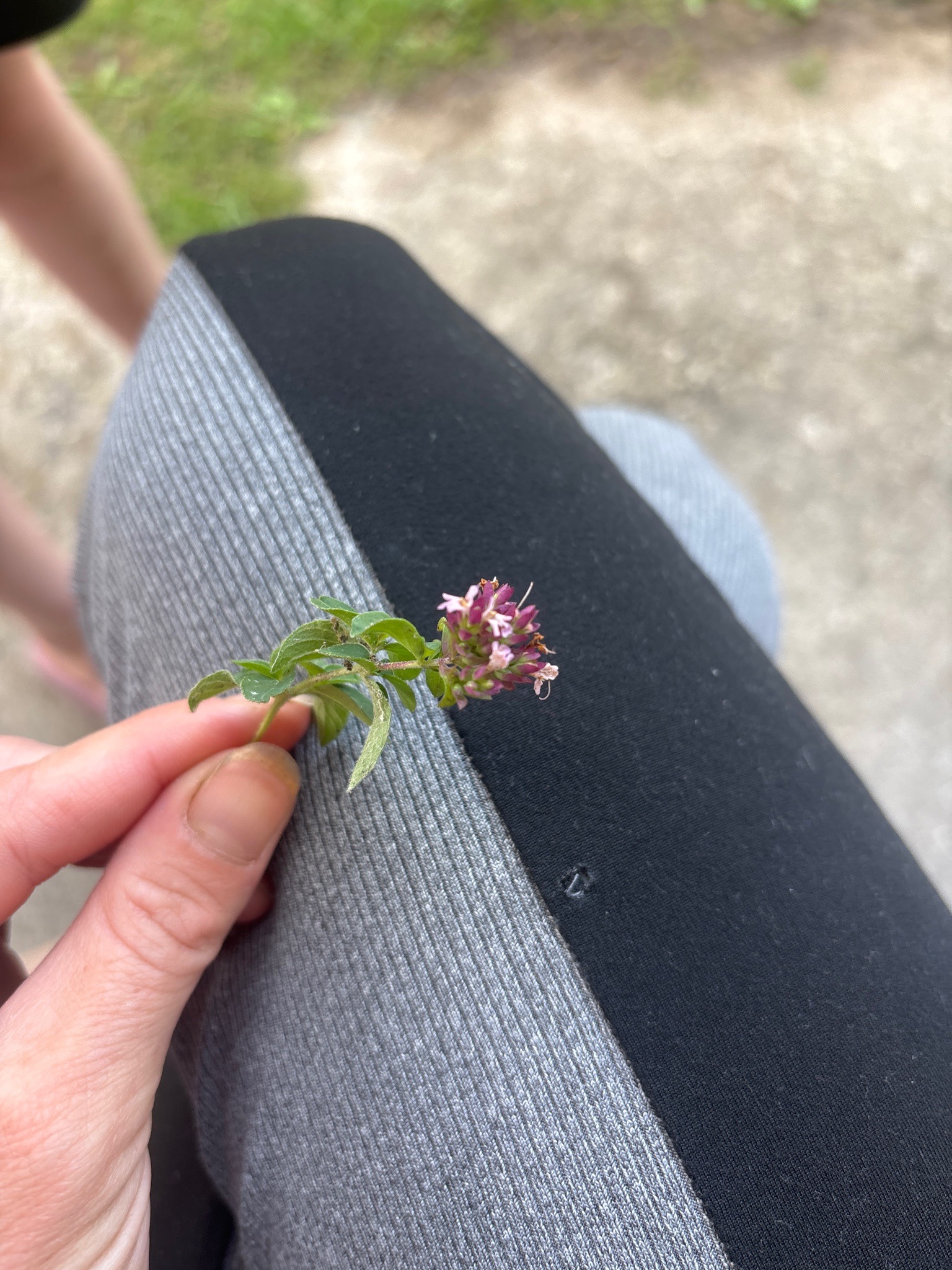
Brief Description
An aromatic perennial herb belonging to the mint family, recognizable by its clustered pink-to-purple flowers and square stems.
Characteristics
Stems are typically hairy and slightly purplish, square in cross-section (common to the Lamiaceae family). Leaves are opposite, oval, and glandular, releasing a strong, pleasant scent when crushed. Flowers are small, tubular, pink or purplish-pink, clustered in compact terminal spikes surrounded by purplish bracts.
Habitat
Found in dry, open places, grasslands, woodland margins, scrub, and limestone soils.
When to Find It
Flowers typically from July to October, best observed in mid-summer during peak bloom when pollinators are active.
Conservation Status
N/A
Ecological Role
A crucial nectar source for various pollinators, particularly bees, butterflies, and other beneficial insects.
Easily Confused With
Can be confused with garden marjoram or oregano, but distinguished by its wild habitat, specific floral bract coloration, and geographic location.
Observation Tips
Look for sunny, well-drained slopes and fields. Gently crush a leaf between your fingers to check for the characteristic warm, aromatic scent.
Interesting Facts
Wild marjoram is commonly known as oregano in culinary contexts, especially European varieties, and has been used traditionally in herbal medicine for centuries.