Lantana
Scientific Name: Lantana camara
Category: plant
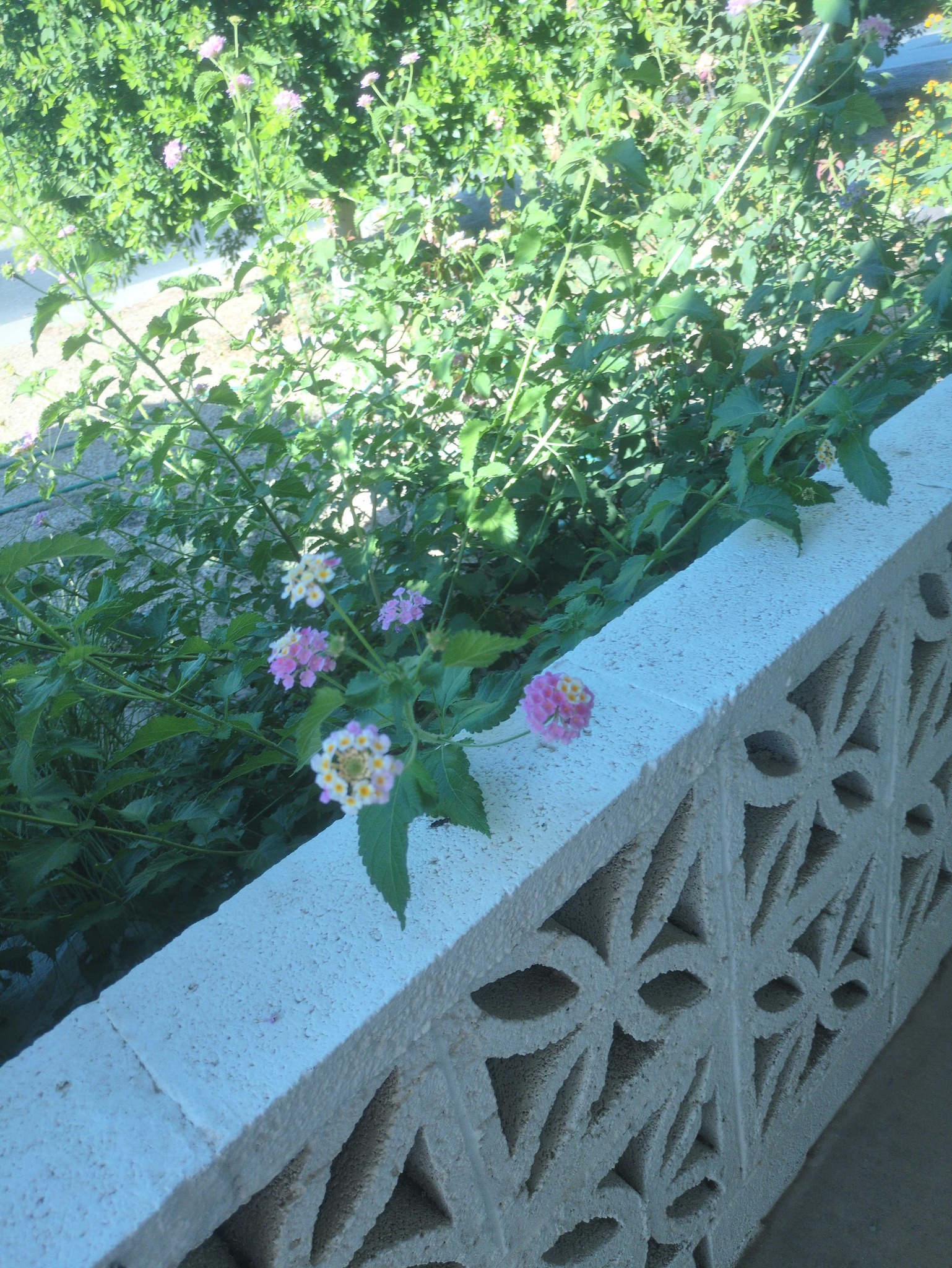
Brief Description
Lantana is a genus of perennial flowering plants in the verbena family. They are known for their rounded clusters of small, colorful flowers that often change color as they mature.
Characteristics
Small, tubular flowers arranged in dense clusters (umbels). Flowers may be pink, yellow, orange, or white. Leaves are rough, oval, serrated, and produce a strong, pungent scent when crushed. Stems are often square-shaped and sometimes have small prickles.
Habitat
Thrives in sunny, well-drained areas. Commonly found in gardens, roadsides, and disturbed areas. Native to tropical regions of the Americas and Africa, but widely naturalized globally.
When to Find It
In warm climates, it blooms year-round; in temperate zones, it blooms from late spring until the first frost. Most vibrant in full sun during daylight hours.
Conservation Status
N/A (Often considered an invasive weed in many regions)
Ecological Role
Highly attractive to pollinators like butterflies, bees, and hummingbirds. However, it is considered a significant invasive species in many parts of the world, where it can outcompete native vegetation and be toxic to livestock.
Easily Confused With
Often confused with Milkweed due to attraction of butterflies, but Lantana's rough, serrated leaves and characteristic flower clusters are unique. Some varieties may be confused with Verbena, which has similar flower shapes but different growth habits.
Observation Tips
Look for Lantana in butterfly gardens. Be careful when handling, as the leaves can cause skin irritation for some people, and the berries are toxic if ingested.
Interesting Facts
Lantana flowers often change color as they age, leading to multi-colored clusters. While its fruit is toxic to many mammals, various bird species eat the berries and aid in seed dispersal.