Mixed Seaweed and Kelp (Puget Sound Intertidal)
Scientific Name: Chlorophyta and Phaeophyceae (various species)
Category: other
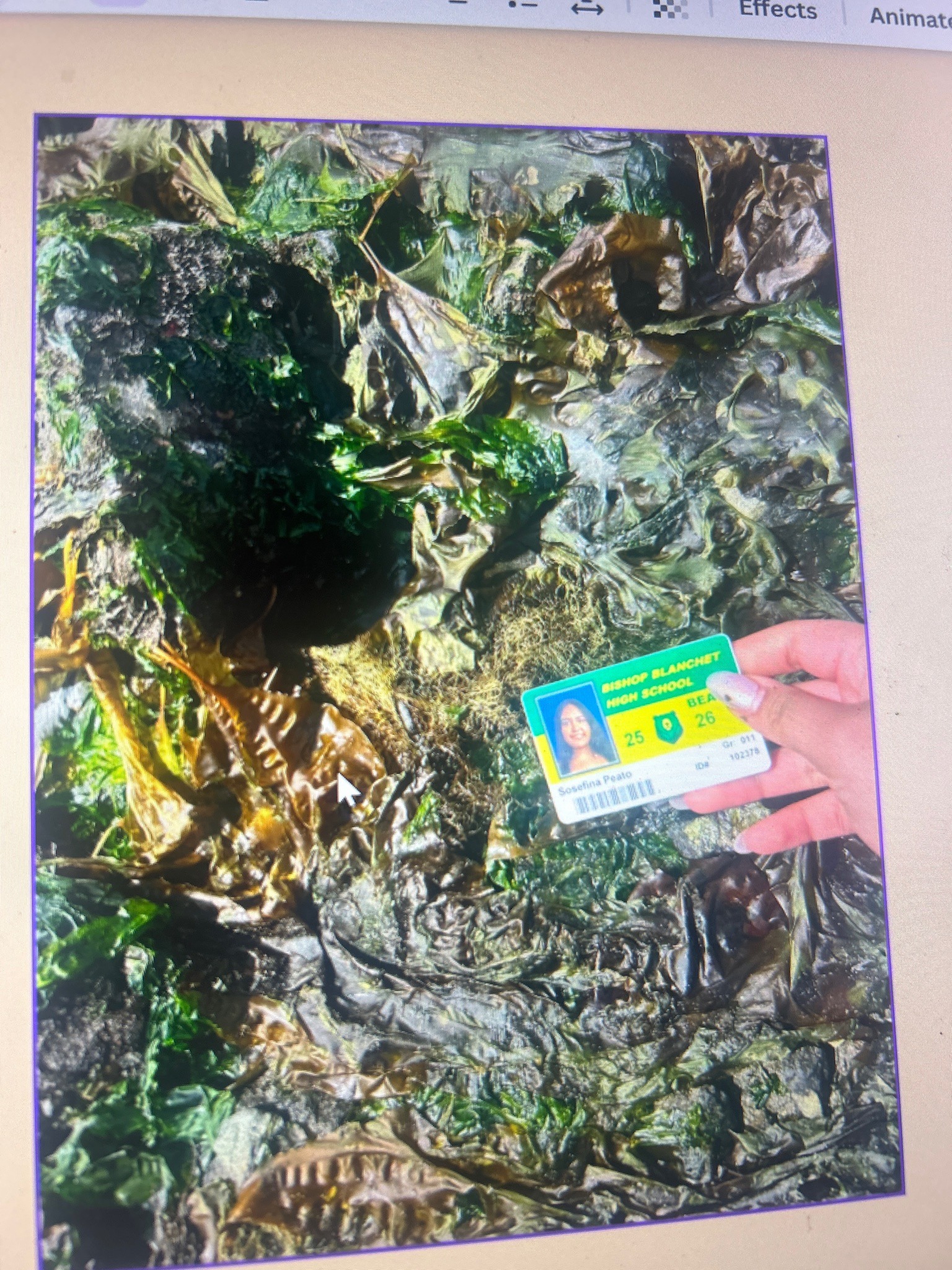
Brief Description
A collection of various marine algae (seaweed) found in the intertidal zone of the Puget Sound, including green and brown varieties.
Characteristics
Features ruffled green blades (likely Sea Lettuce), leathery dark brown blades (Sugar Kelp or Sugar Wrack), and filamentous green algae. The texture ranges from slimy and thin to tough and rubbery.
Habitat
Intertidal and subtidal zones of rocky or muddy coastlines in the Pacific Northwest.
When to Find It
Visible year-round, but blooms of certain species like Sea Lettuce occur more frequently in summer months. Best viewed during low tide.
Conservation Status
N/A
Ecological Role
Provides vital habitat, shelter, and food for numerous marine organisms including fish, crabs, and snails. Acts as a carbon sink and produces oxygen through photosynthesis.
Easily Confused With
Often confused as individual plants, but seaweed is a diverse group of algae. Sea Lettuce (Ulva) can be confused with other green algae like Monostroma. Sugar Kelp can be confused with Winged Kelp (Alaria).
Observation Tips
Visit the beach during a low tide event. Wear waterproof footwear and be careful not to step on delicate tidepool life. Do not remove seaweed from its natural attachment point.
Interesting Facts
Kelp in the Puget Sound can grow several inches in a single day under ideal conditions. Sea Lettuce is edible for many animals and has been used by humans in salads and soups worldwide.
User Notes
Puget Sound