Sea Lettuce
Scientific Name: Ulva lactuca
Category: other
Brief Description
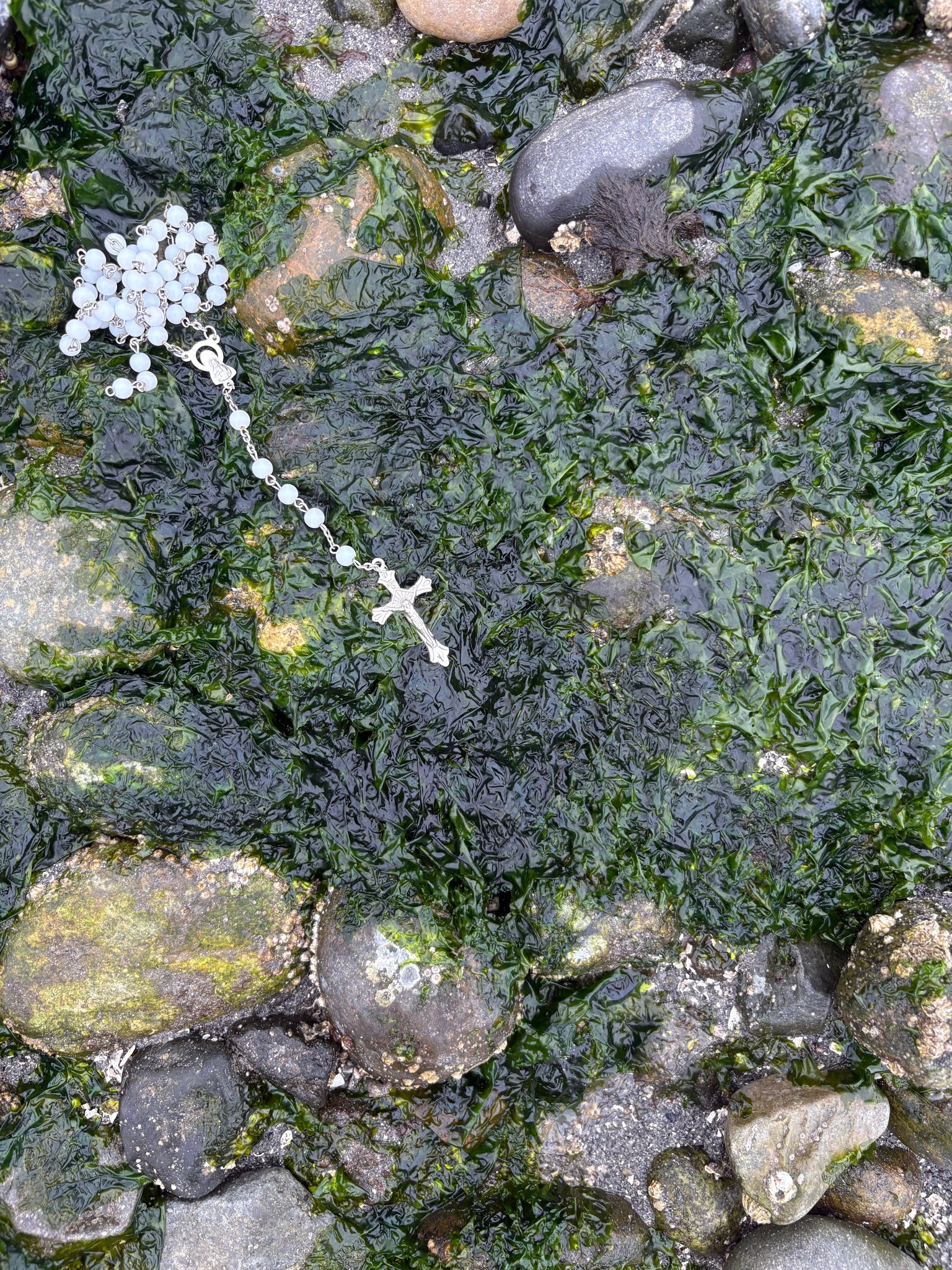
A vibrant green marine alga that grows in thin, translucent sheets resembling lettuce leaves.
Characteristics
Thin, bright green, ruffled blades that are only two cell layers thick. It is soft to the touch and translucent when held up to the light.
Habitat
Intertidal zones on rocks, in tide pools, and occasionally free-floating in sheltered bays. It flourishes in areas with high nutrient runoff.
When to Find It
Year-round, but most abundant and fast-growing during the spring and summer months with increased sunlight.
Conservation Status
Common/Least Concern
Ecological Role
Provides food for various marine herbivores like sea snails and crabs, and offers shelter for small invertebrates. However, excessive growth (blooms) can indicate nutrient pollution and deplete oxygen.
Easily Confused With
Monostroma (Ox-tongue) which is only one cell layer thick and usually more delicate/paler, and Ulva intestinalis (Gutweed) which forms hollow tubes rather than flat sheets.
Observation Tips
Look for it covering rocks at low tide in Washington state beaches. Be careful when walking as it is extremely slippery when wet.
Interesting Facts
Sea lettuce is edible and rich in protein, iron, and iodine. It is used globally in soups, salads, and even as a substitute for nori in some regions.
User Notes
Seaweed found on a Washington state beach