Olive Tree
Scientific Name: Olea europaea
Category: tree
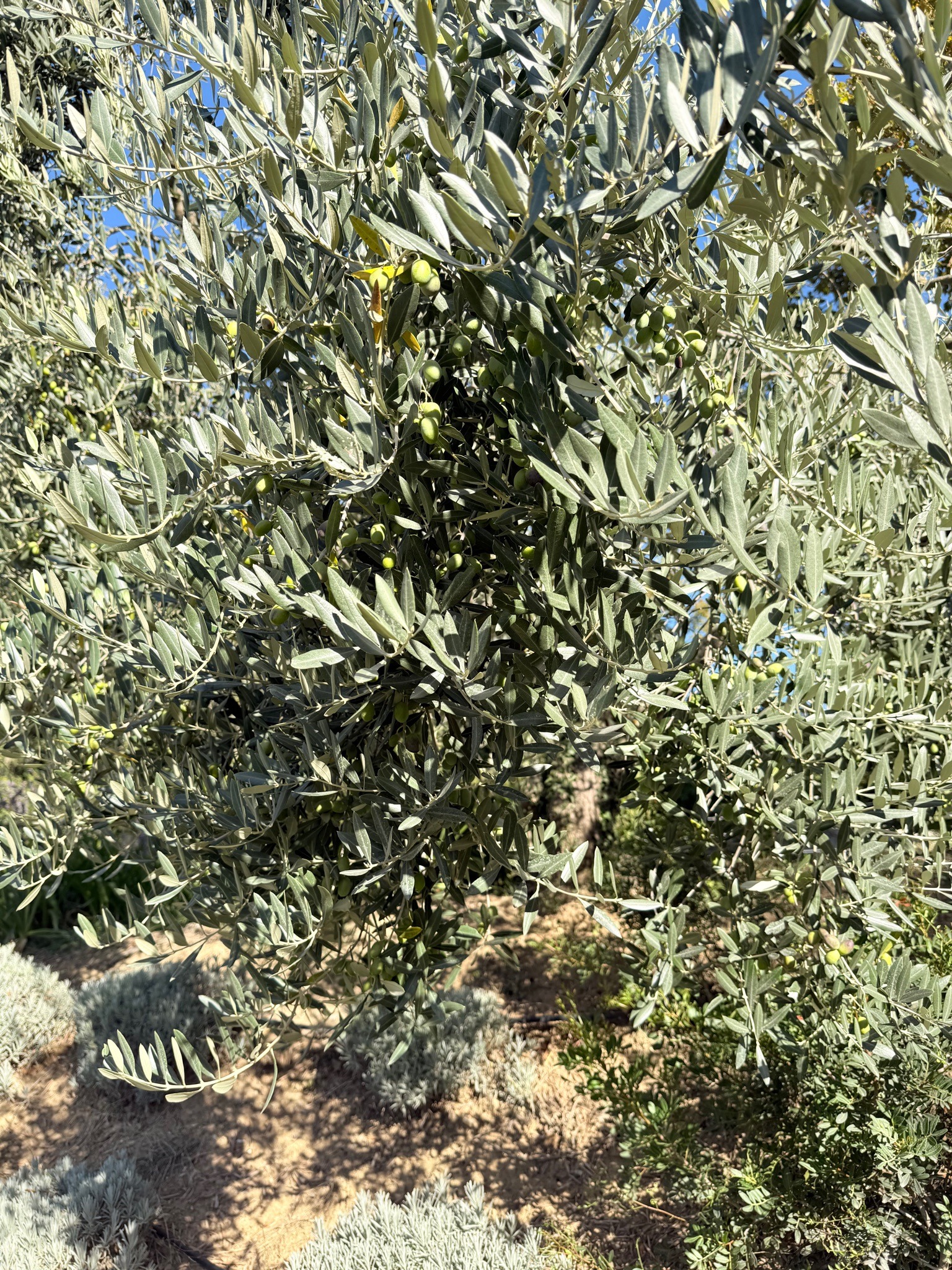
Brief Description
An evergreen tree or shrub native to the Mediterranean basin, widely cultivated for its edible fruit and oil.
Characteristics
Features oblong, lanceolate, leathery leaves that are dark green above and silvery-grey underneath due to tiny scales. Produces small, white, feathery flowers followed by small oval drupes (olives) that transition from green to dark purple/black when ripe.
Habitat
Thrives in Mediterranean climates with hot, dry summers and mild winters. Prefers well-draining soils, often rocky or sandy, and is exceptionally drought-tolerant.
When to Find It
Spring for flowering (April to June) and autumn to winter (October to February) for fruit ripening and harvesting.
Conservation Status
Not threatened; widely cultivated globally.
Ecological Role
Provides food and habitat for various Mediterranean wildlife, birds, and insects. Cultivated trees shape agricultural landscapes and prevent soil erosion in arid regions.
Easily Confused With
Oleander (Nerium oleander), which has toxic leaves and milky sap; easily distinguished by its larger, more pointed, whorled leaves and showy pink/white flowers.
Observation Tips
Look for ancient, gnarled trunks in orchards or dry hillsides. Observe the shimmering silvery underside of leaves in the wind.
Interesting Facts
Olive trees can live for centuries, with some ancient specimens estimated to be over a thousand years old. The olive branch is a traditional symbol of peace.