Tall Goldenrod
Scientific Name: Solidago altissima
Category: plant
Brief Description
Tall goldenrod is a common perennial herbaceous plant known for its bright yellow flower plumes that appear in late summer and autumn.
Characteristics
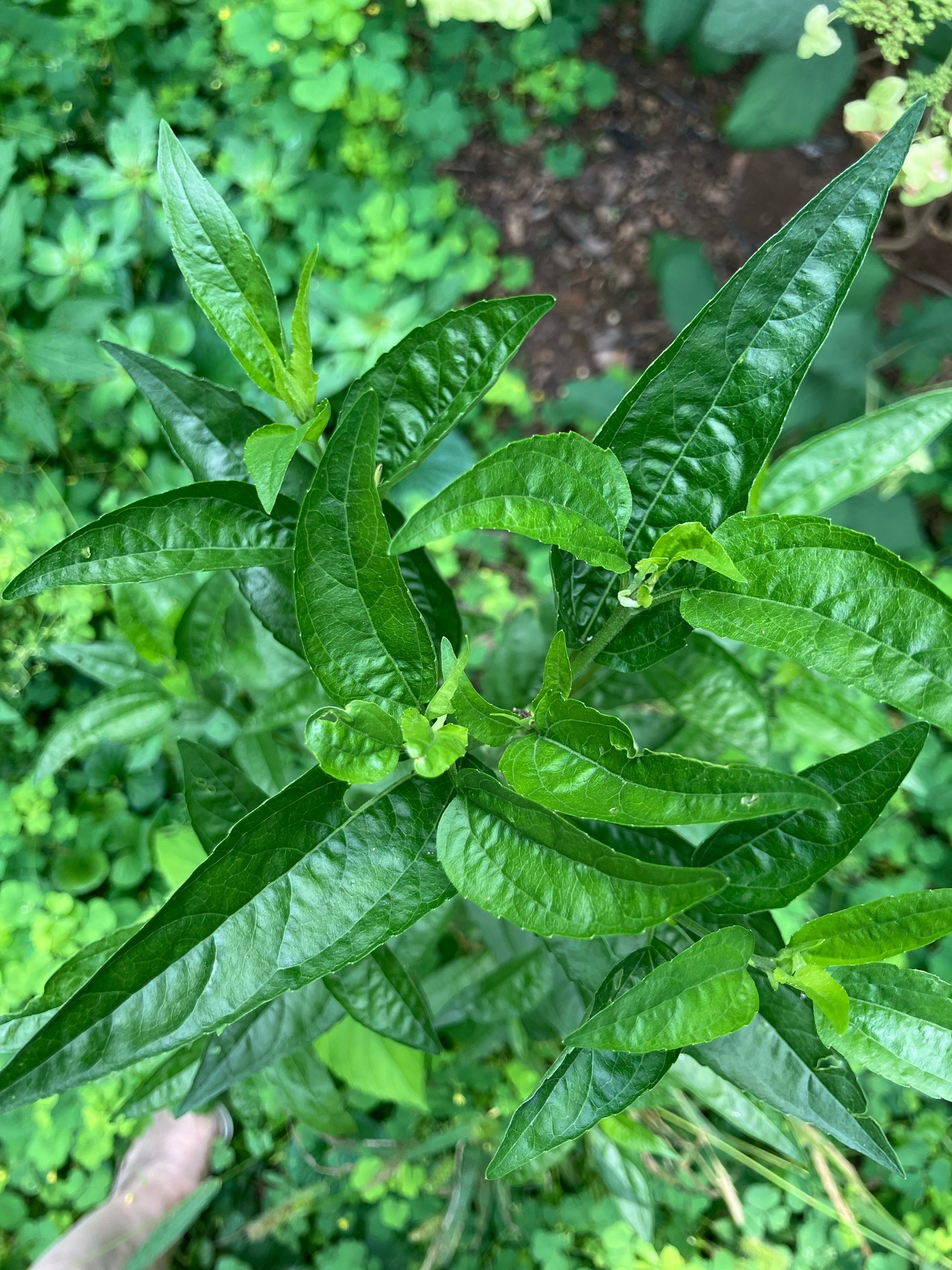
Features alternate, lance-shaped leaves with distinct triple-nerved venation and slightly serrate margins. Stems are often slightly pubescent (hairy) and can grow up to 2 meters tall.
Habitat
Found in open fields, meadows, prairies, along roadsides, and at the edges of woodlands.
When to Find It
Vegetative growth occurs in spring and early summer, while flowering peaks from late summer through autumn.
Conservation Status
Secure (Least Concern)
Ecological Role
Serves as a vital late-season nectar source for bees, butterflies, and other pollinators preparing for winter.
Easily Confused With
Often confused with other goldenrod species (Solidago genus); distinguished by its pubescent stems, leaf shape, and specific triple-nerved pattern.
Observation Tips
Look for dense colonies in sunny, undisturbed areas during late summer when their vibrant yellow blooms stand out against other vegetation.
Interesting Facts
Goldenrods are often incorrectly blamed for causing hay fever; the actual culprit is ragweed, which blooms at the same time but has inconspicuous greenish flowers.