Tick
Scientific Name: Ixodida
Category: insect
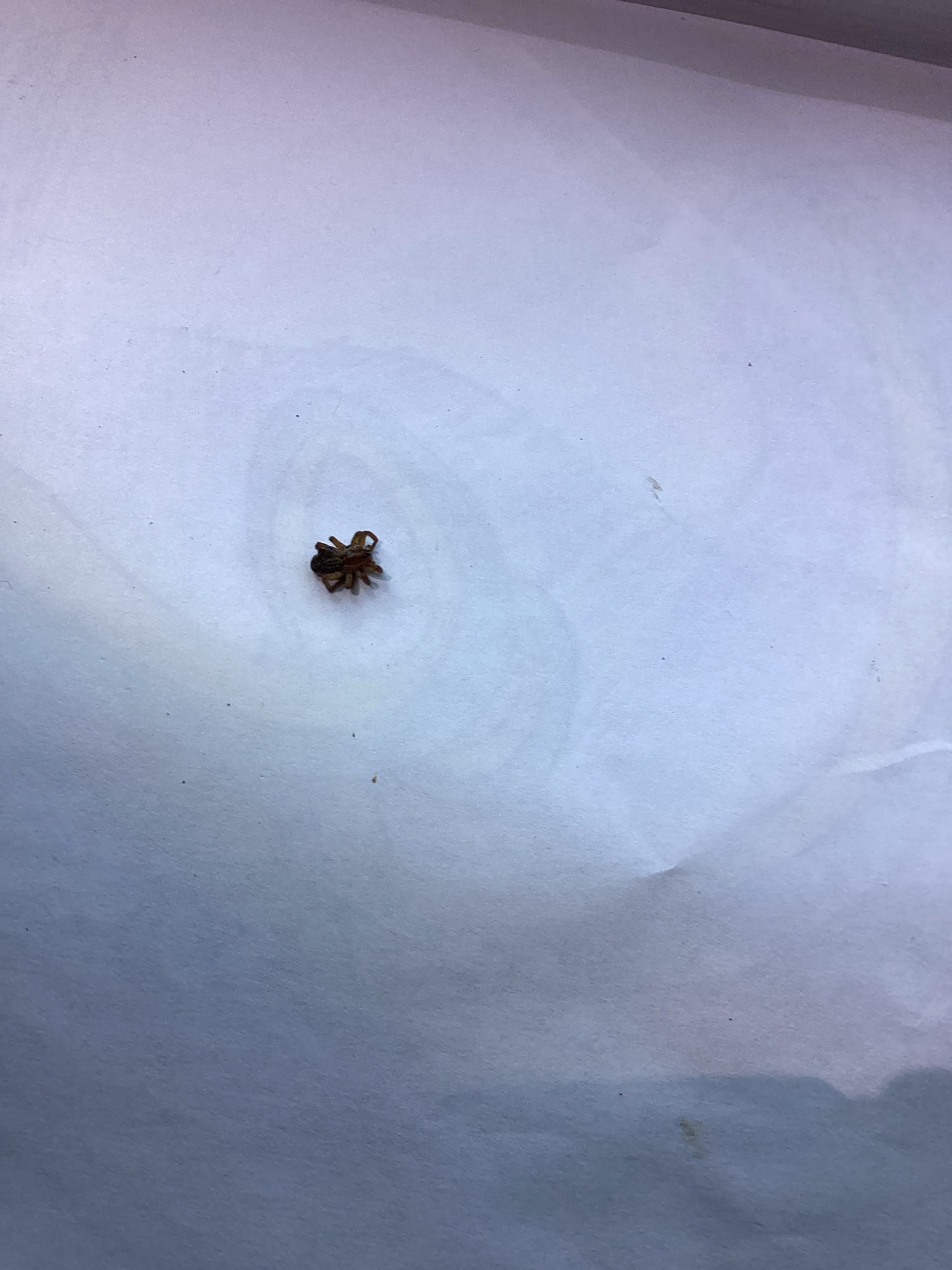
Brief Description
A small arachnid parasite that feeds on the blood of mammals, birds, and sometimes reptiles and amphibians.
Characteristics
Oval-shaped body, lacks wings and antennae, has eight legs as nymphs and adults (six as larvae). Mouthparts are specialized for piercing skin and sucking blood.
Habitat
Woodlands, tall grasses, shrubs, and areas with high humidity where they wait to attach to passing hosts.
When to Find It
Active primarily in warmer months (spring through autumn), though some species remain active during mild winter days.
Conservation Status
N/A
Ecological Role
Serve as food sources for some birds and amphibians, but are primarily known as vectors for various pathogens affecting humans and animals.
Easily Confused With
Spiders, which also have eight legs but are generally free-living predators rather than blood-feeding parasites.
Observation Tips
Check clothing and skin carefully after walking through wooded or grassy areas; wear light-colored clothing to spot them easily.
Interesting Facts
Ticks can detect carbon dioxide, body heat, and vibrations emitted by potential hosts to locate them.
User Notes
In house