American Hornbeam
Scientific Name: Carpinus caroliniana
Category: tree
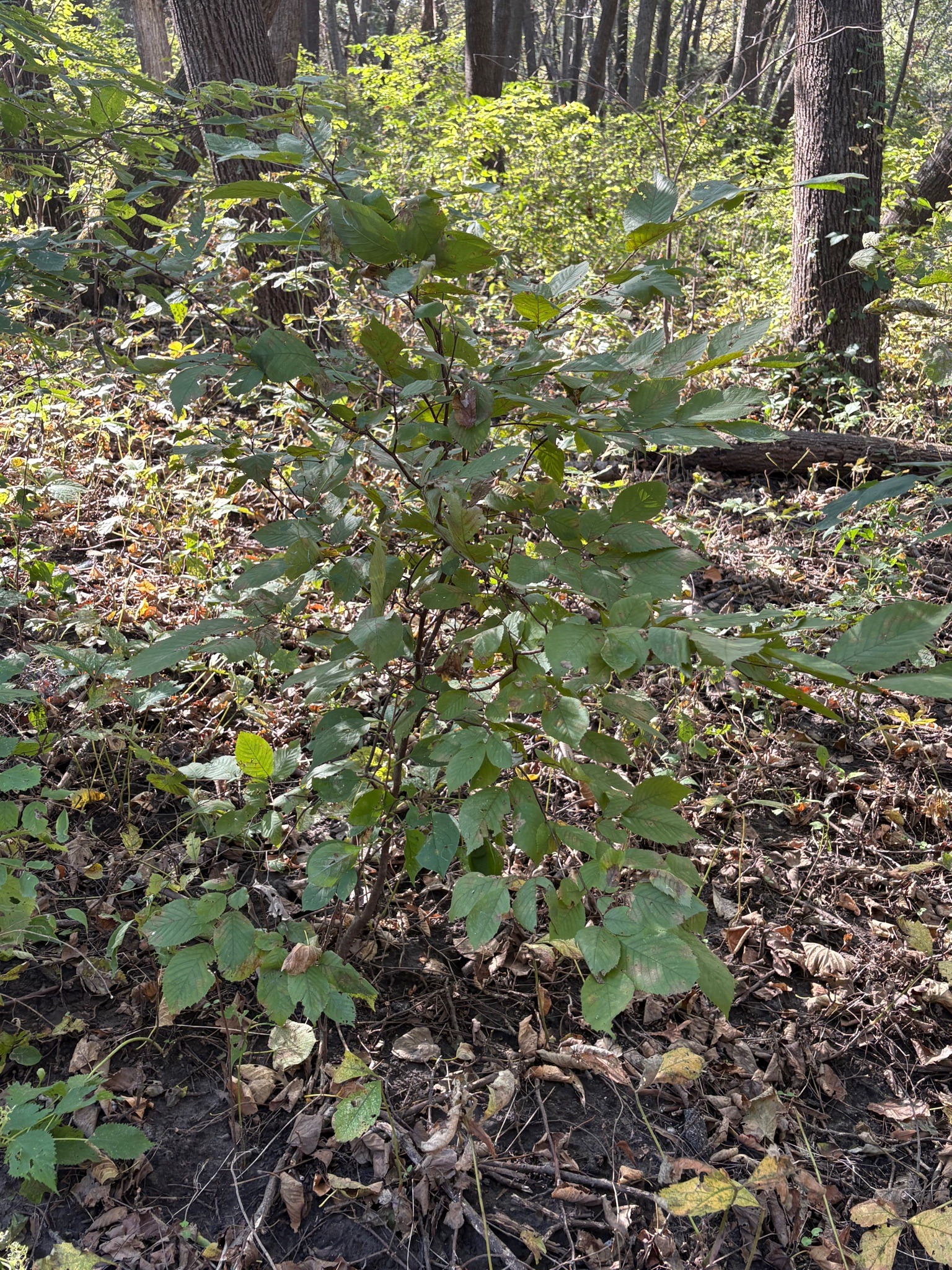
Brief Description
A small to medium-sized understory tree known for its smooth, muscular-looking gray bark and slender, zig-zagging twigs.
Characteristics
Leaves are alternate, simple, doubly serrate, and oval-oblong with prominent veins. Bark is characteristically smooth and fluted or twisted, resembling flexed muscles. Fruits are small nutlets subtended by a three-lobed leafy bract.
Habitat
Typically found in moist soils along streams, floodplains, and in rich understories of deciduous forests.
When to Find It
Spring through autumn offers the best foliage observation; winter reveals the unique muscular bark and twig structure.
Conservation Status
Least Concern
Ecological Role
Provides food for birds and mammals through its seeds, buds, and catkins, while its dense canopy offers nesting sites and shelter.
Easily Confused With
American Beech (Fagus grandifolia), which has smooth gray bark but pointed cigar-shaped buds and singly serrate leaves; Ironwood or Eastern Hophornbeam (Ostrya virginiana), which has scaly, peeling bark.
Observation Tips
Look in shaded understory areas near waterways. Feel the trunk to check for the distinctive 'muscular' texture.
Interesting Facts
Also known as blue-beech, ironwood, or musclewood due to its exceptionally hard, heavy wood which was traditionally used for tool handles and mallets.
User Notes
At lower platte park in Nebraska