Grizzly Bear
Scientific Name: Ursus arctos horribilis
Category: mammal
Brief Description
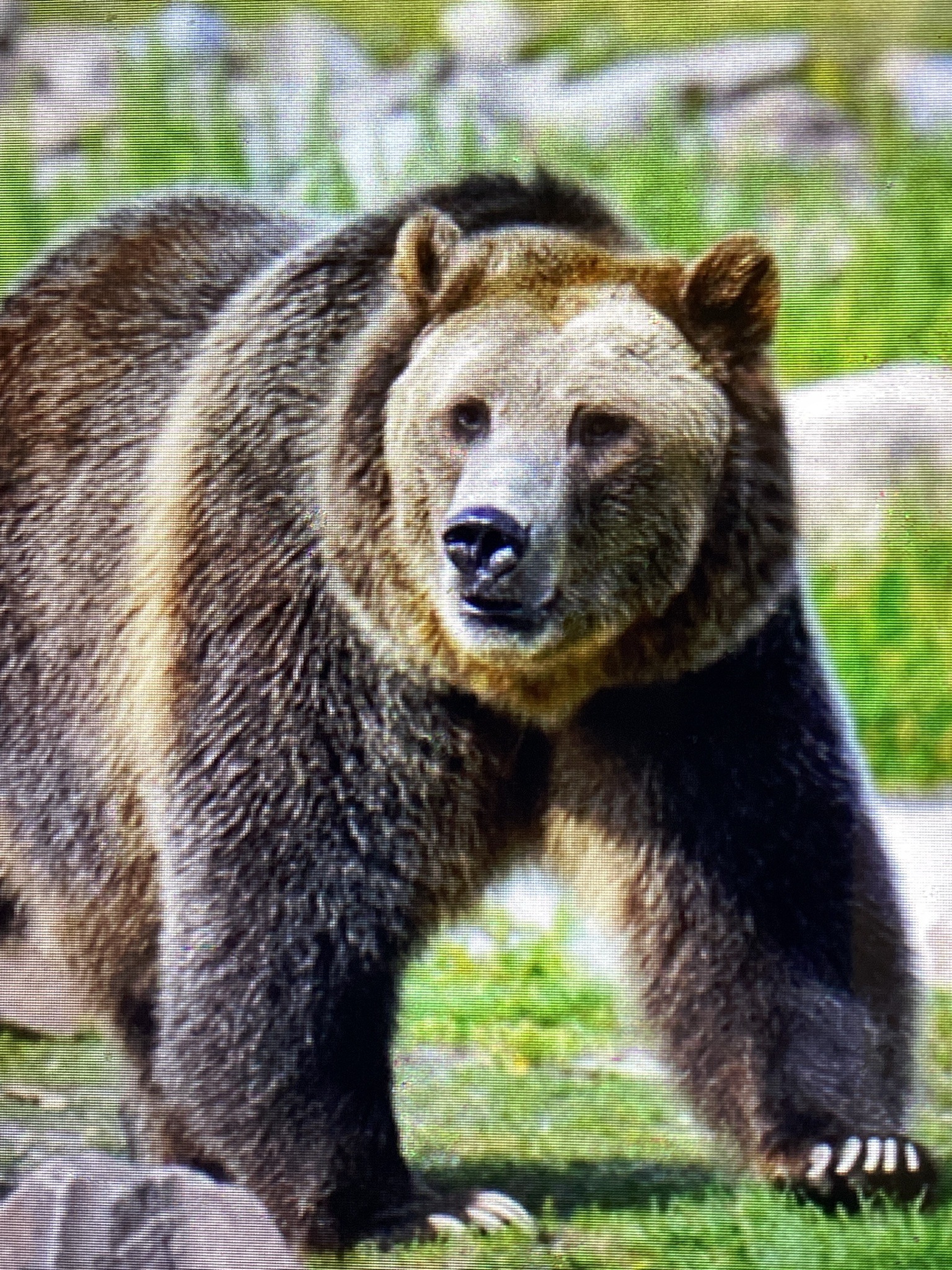
The grizzly bear is a large subspecies of the brown bear inhabiting North America, known for its distinctive shoulder hump and powerful build.
Characteristics
Prominent shoulder hump made of muscle, dish-shaped facial profile, long curved front claws (up to 2-4 inches), dark brown to blonde fur often tipped with silver or light colors.
Habitat
Forests, subalpine meadows, tundra, and river valleys across northwestern North America, including parts of Alaska, western Canada, and the northern US Rocky Mountains.
When to Find It
Most active spring through autumn, foraging heavily during late summer and fall (hyperphagia) before entering winter torpor/hibernation in dens.
Conservation Status
Least Concern globally, though threatened in the lower 48 US states where populations are protected under the Endangered Species Act.
Ecological Role
Acts as an apex predator and keystone species; helps distribute seeds through scat, regulates prey populations, and aerates soil while digging for roots and ground squirrels.
Easily Confused With
American Black Bear (Ursus americanus), which lacks the prominent shoulder hump, has a straighter facial profile, shorter front claws, and larger, more pointed ears.
Observation Tips
Always observe from a safe distance using telephoto lenses or binoculars. Carry bear spray, stay in groups, and make noise while walking in grizzly country.
Interesting Facts
Despite their massive weight, grizzlies can run at speeds up to 35 mph (56 km/h) over short distances. Their bite force is strong enough to crush a bowling ball.