Riband Wave
Scientific Name: Idaea aversata
Category: insect
Brief Description
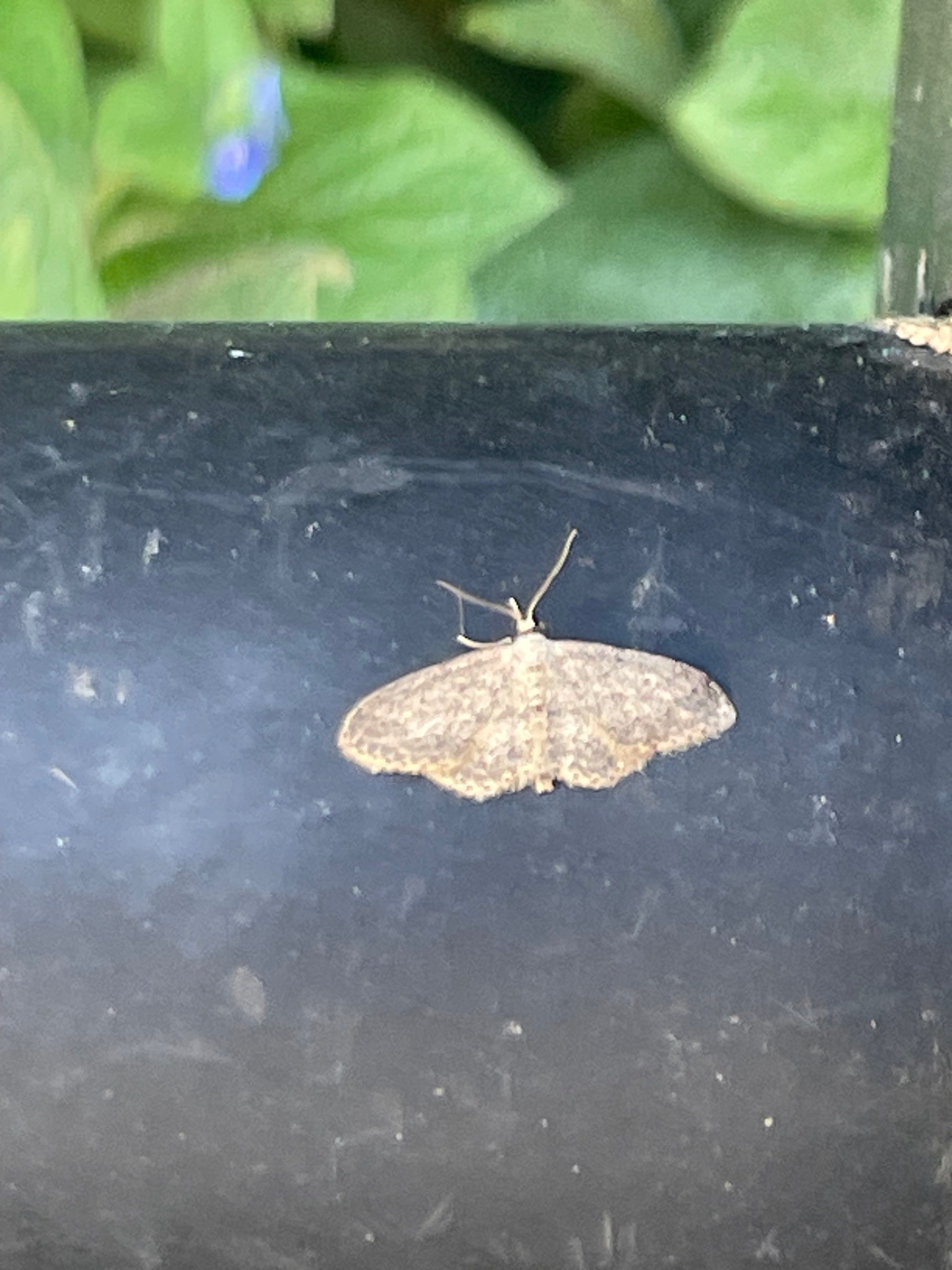
A small, delicate moth with distinctive wavy cross-lines on its pale wings, often found resting flat on surfaces.
Characteristics
Wingspan ranges from 24-30 mm. The ground color is typically pale greyish-ochreous or yellowish-brown, featuring several distinct dark, wavy transverse lines across both forewings and hindwings. A prominent dark central spot (discal spot) is often visible on each wing, and a characteristic darker median band is sometimes present.
Habitat
Gardens, hedgerows, woodland edges, and rough grassland.
When to Find It
Usually seen flying in one generation from June to August, active at dusk and frequently attracted to light.
Conservation Status
Common and widespread
Ecological Role
Serves as an important food source for insectivorous birds, bats, and other predators, while caterpillars feed on low-growing herbaceous plants.
Easily Confused With
Other wave moths in the genus Idaea, such as the Plain Wave or Small Fan-footed Wave, which can be distinguished by subtle variations in wing markings, size, and postmedian line shapes.
Observation Tips
Look for them resting on garden fences, walls, or vegetation during the day, or use an outside light at night to attract them.
Interesting Facts
The caterpillars of the Riband Wave feed on a variety of low-growing plants including dandelion, knotgrass, and bedstraw, and they overwinter as larvae before pupating in the spring.
User Notes
London Richmond