Northern Red Oak
Scientific Name: Quercus rubra
Category: tree
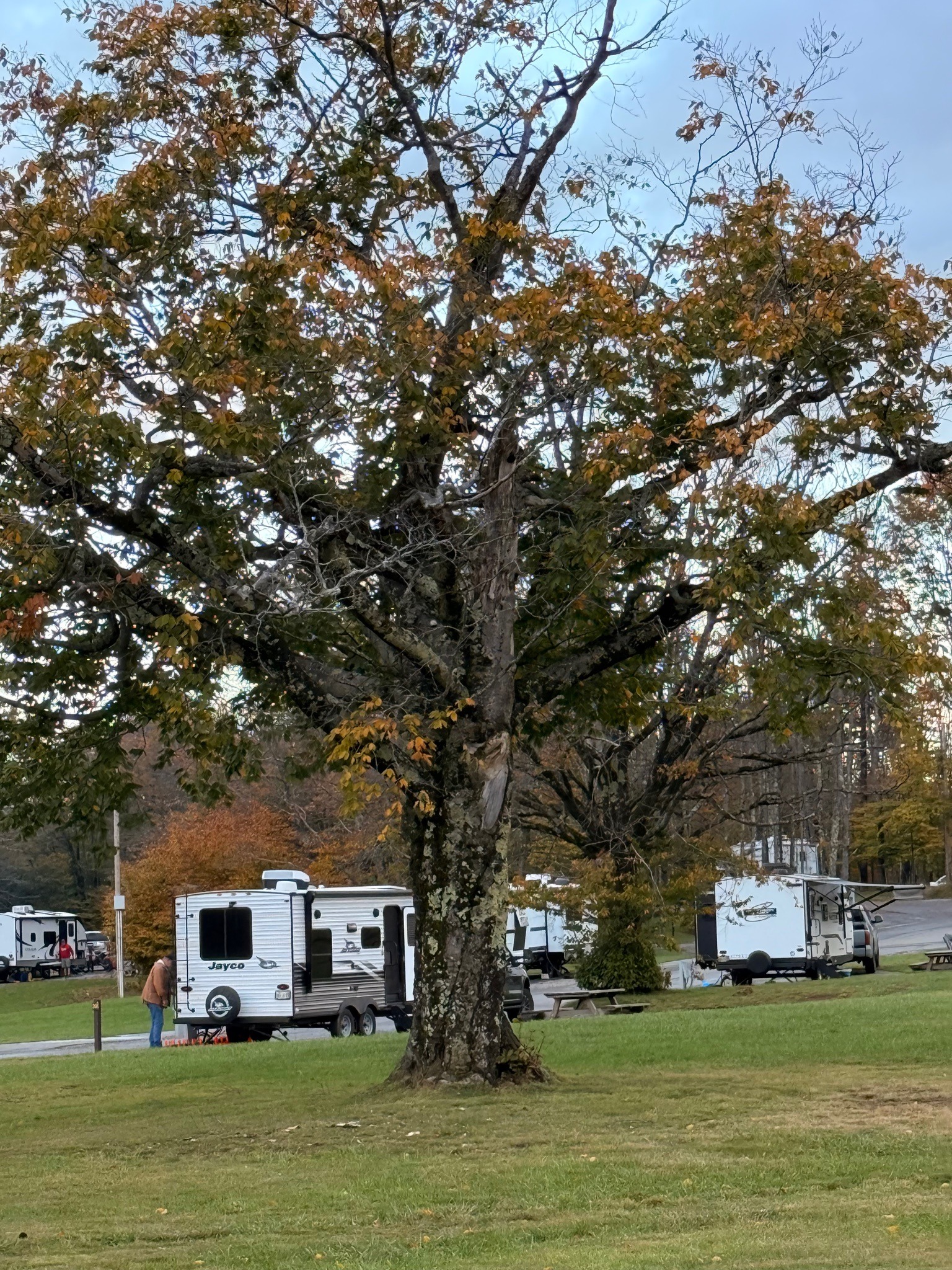
Brief Description
A large, stately deciduous tree known for its strong wood, lobed leaves with bristle-tips, and dark, furrowed bark with flat-topped ridges.
Characteristics
Grows up to 25-35 meters tall with a straight trunk and a rounded crown. Leaves are 12-22 cm long with 7-11 lobes, each ending in bristles. The acorns are about 2 cm long with a flat, saucer-like cap covering only the base. Bark features shiny stripes in the furrows.
Habitat
Found in mixed forests, rich uplands, and well-drained soils, often planted in parks and campgrounds.
When to Find It
Displays vibrant red to reddish-brown foliage in autumn; drops leaves in winter.
Conservation Status
Least Concern
Ecological Role
Provides food (acorns) and shelter for numerous birds and mammals, and serves as a larval host for many moth species.
Easily Confused With
Pin Oak (Quercus palustris) and Black Oak (Quercus velutina). Pin oak has deeply cut leaves and retained dead lower branches; Black oak has yellow inner bark and more tightly packed buds.
Observation Tips
Look for the characteristic bristle-tipped leaf lobes and shallow acorn caps in autumn.
Interesting Facts
Northern Red Oak grows faster than most other oaks and is remarkably tolerant of urban pollution and compacted soils.