Harbor Seal
Scientific Name: Phoca vitulina
Category: mammal
Brief Description
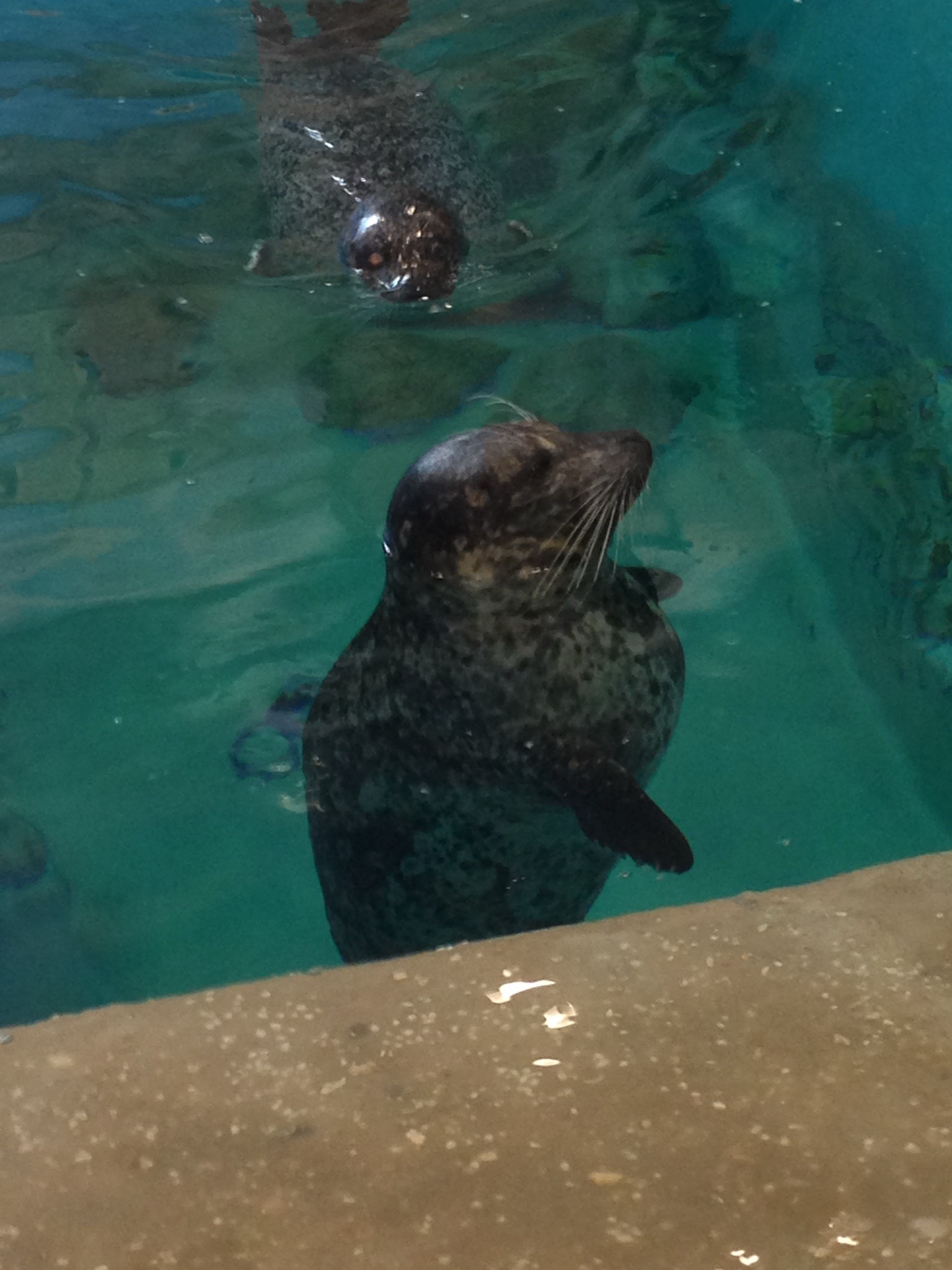
A small, true seal (earless) with a rounded head, speckled coat, and a V-shaped nostril pattern.
Characteristics
Spotted or mottled coat ranging from silver-gray to blackish-brown. They have no external ear flaps, short flippers, and a characteristic 'banana' pose when hauled out on rocks.
Habitat
Coastal waters, sandy beaches, rocky shores, and estuaries. They are often found in the Northern Hemisphere's temperate and arctic marine shorelines.
When to Find It
Diurnal but influenced by tides. Most likely to be seen hauled out on land during low tide for resting and thermoregulation.
Conservation Status
Least Concern (IUCN)
Ecological Role
They are mid-level predators in the marine food web, consuming fish, crustaceans, and mollusks, and serving as prey for orcas and large sharks.
Easily Confused With
Gray Seals, which have a longer, horse-like snout and parallel nostrils compared to the Harbor Seal's cat-like face and V-shaped nostrils.
Observation Tips
Keep a distance of at least 100 yards to avoid disturbing them. They are very sensitive to human presence when resting on land. Look for them in sheltered bays or on rocky outcrops during low tide.
Interesting Facts
Harbor Seal pups can swim and dive almost immediately after birth. They use their sensitive whiskers, called vibrissae, to detect vibrations from prey in murky water.