Cutleaf Toothwort
Scientific Name: Cardamine concatenata
Category: plant
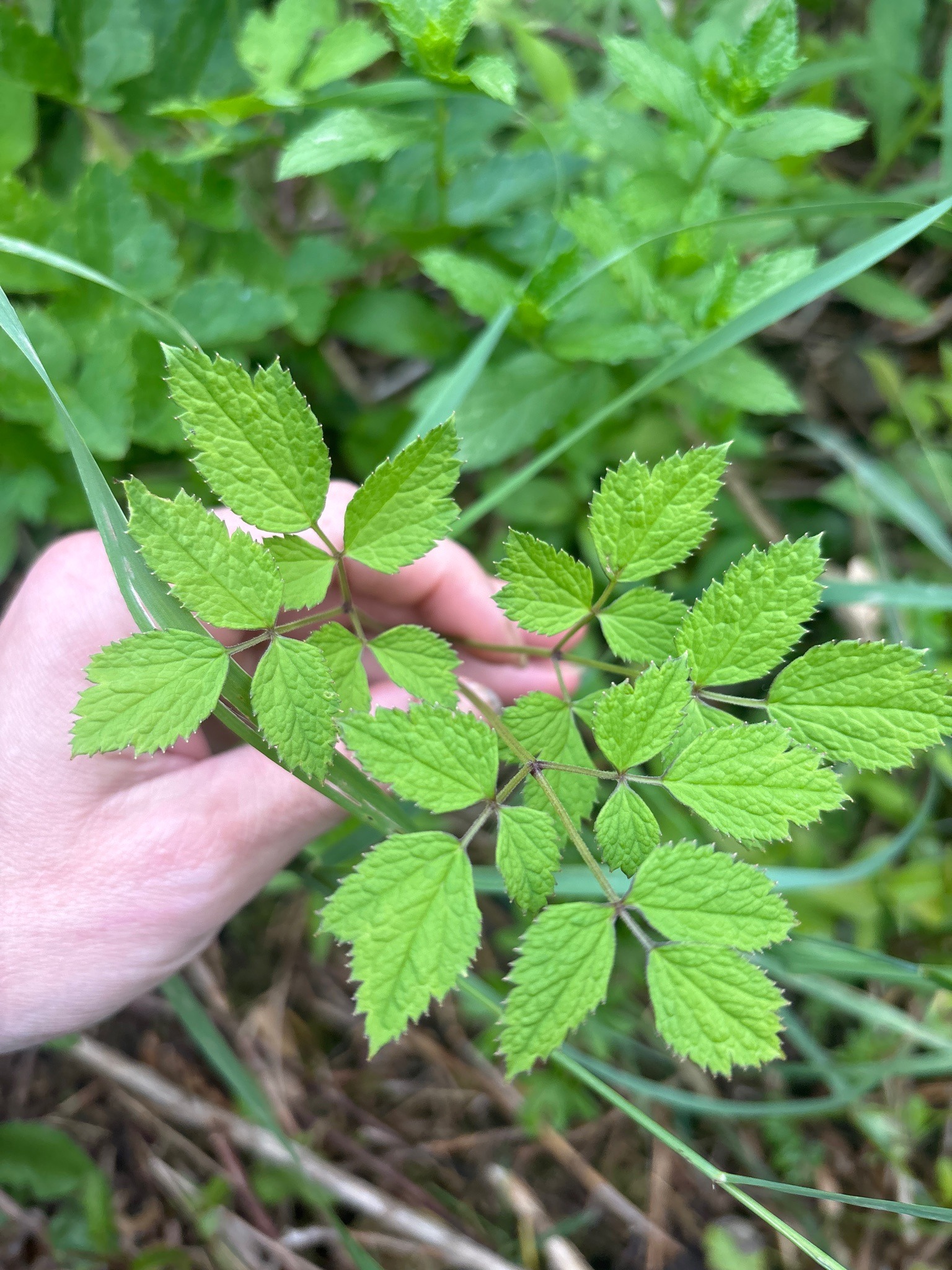
Brief Description
Cutleaf Toothwort is a delicate spring ephemeral woodland wildflower known for its deeply divided, toothed leaves and small, white-to-pinkish four-petaled flowers.
Characteristics
Features whorls of three deeply lobed or divided leaves with sharply toothed margins. The underground stem is a segmented, white rhizome that resembles small teeth, giving the plant its common name.
Habitat
Rich deciduous forests, moist woodlands, and along streams in shaded or semi-shaded environments.
When to Find It
Spring ephemeral, typically blooming in early to mid-spring before the forest canopy fully leafs out, and dying back to the ground by summer.
Conservation Status
Secure (G5), widespread across its native range.
Ecological Role
Provides critical early-season nectar and pollen for native bees, butterflies, and other early pollinators when few other food sources are available.
Easily Confused With
Can be confused with other toothwort species like Two-leaved Toothwort (Cardamine diphylla), which has leaves in pairs rather than whorls of three.
Observation Tips
Look for them on damp forest floors in early spring. Avoid touching or handling unverified plants if foraging, and never pick wildflowers in protected natural areas.
Interesting Facts
The tubers were historically used by Native Americans as a condiment similar to horseradish or ginger, and also medicinally to treat coughs and toothaches.