Sweetfern
Scientific Name: Comptonia peregrina
Category: plant
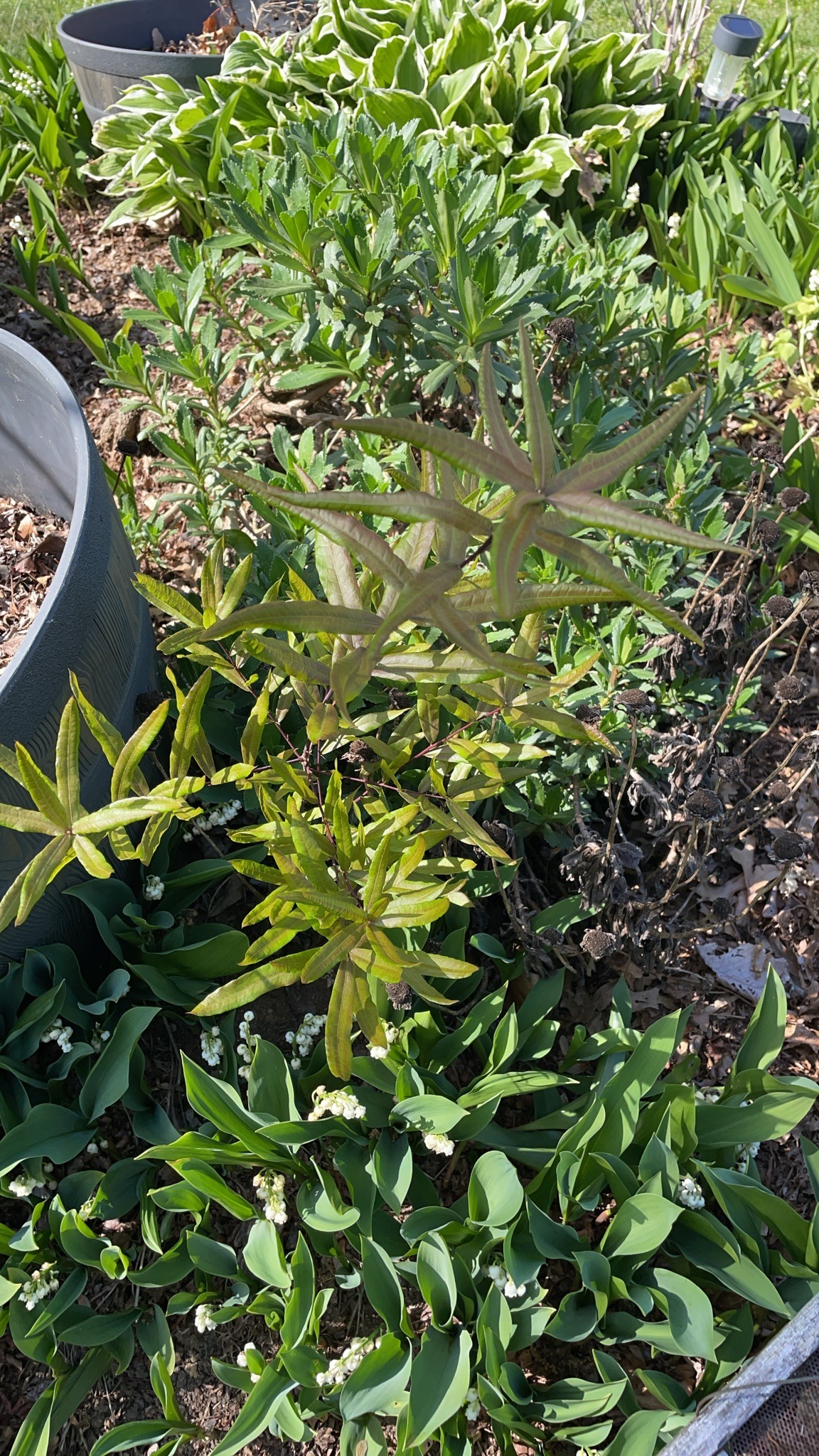
Brief Description
Sweetfern is a low-growing, native deciduous shrub known for its aromatic, fern-like foliage.
Characteristics
Features long, narrow, deeply lobed leaves that resemble fern fronds. The leaves are olive green and provide a strong, spicy balsamic fragrance when crushed. It has a colonial growth habit, spreading via underground rhizomes.
Habitat
Thrives in dry, sandy, or gravelly acidic soils. Often found in barrens, clearings, and along roadsides where competition is low.
When to Find It
Flowers in late spring (catkins) with leaves persisting through summer. Foliage turns brown in fall but often stays on the stems.
Conservation Status
Secure (but threatened in some parts of its southern range)
Ecological Role
A nitrogen-fixing plant that can colonize poor soils, improving them for other species. It serves as a host plant for several species of moths, including the Grey Furcula.
Easily Confused With
True ferns. Distinguish by the woody stems and the fragrant scent, which true ferns lack. It can also be confused with Wax Myrtle, which has non-lobed leaves.
Observation Tips
Look for it in sun-drenched areas with poor soil. Scratch or crush a leaf gently to experience its distinctive sweet, spicy aroma.
Interesting Facts
Despite its name, it is not a fern but a woody shrub. It is the only living species in the genus Comptonia. Native Americans traditionally used its leaves for medicinal teas and as a seasoning.
User Notes
Back yard