Peruvian Lily
Scientific Name: Alstroemeria
Category: plant
Brief Description
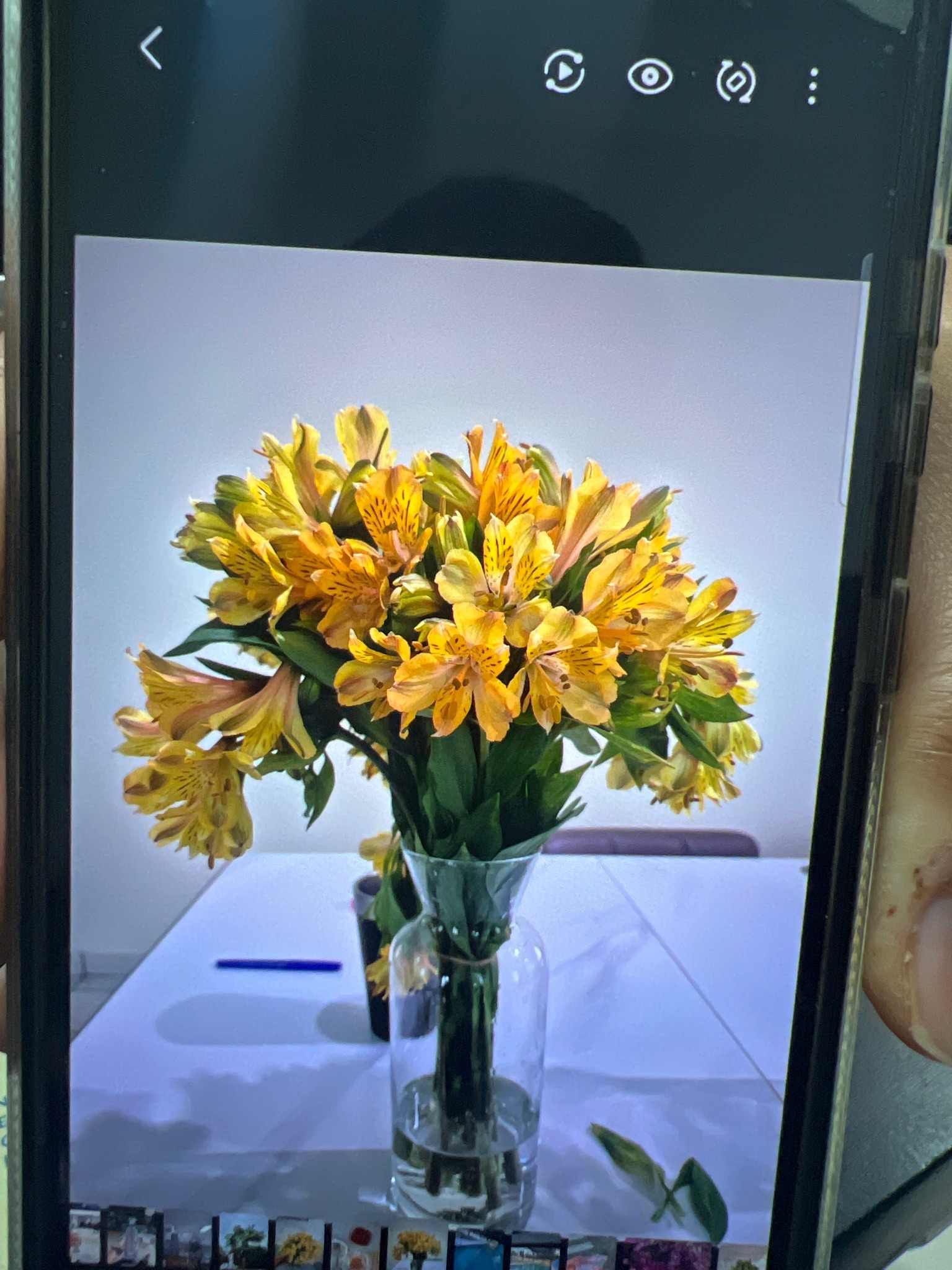
A bouquet of vibrant yellow Alstroemeria flowers featuring dark streaks or speckles on the petals, displayed in a glass vase.
Characteristics
Perennial herbs with tuberous roots, featuring distinct twisty leaves that appear upside-down because they twist at the base. The flowers have six distinct petals, often heavily marked with contrasting spots, streaks, or dashes, typically in yellow, orange, red, purple, or white.
Habitat
Native to South America (primarily Chile and Brazil), these plants thrive in temperate woodland, shrubland, and mountainous regions, though they are widely cultivated globally as popular cut flowers.
When to Find It
Blooms primarily from late spring to summer, but cultivated varieties are available year-round as cut flowers.
Conservation Status
N/A
Ecological Role
Attracts various pollinators such as bees and hummingbirds in its native habitat.
Easily Confused With
True lilies (Lilium) and daylilies (Hemerocallis), which can be distinguished by different leaf arrangements and lack of twisting at the leaf base found in Alstroemeria.
Observation Tips
Often found indoors as cut flower arrangements or grown in garden borders in USDA zones 8-10.
Interesting Facts
Alstroemeria leaves are resupinate, meaning they twist 180 degrees as they grow from the stem so that the bottom surface faces upward. They are also known as the Lily of the Incas.