Olive Tree
Scientific Name: Olea europaea
Category: tree
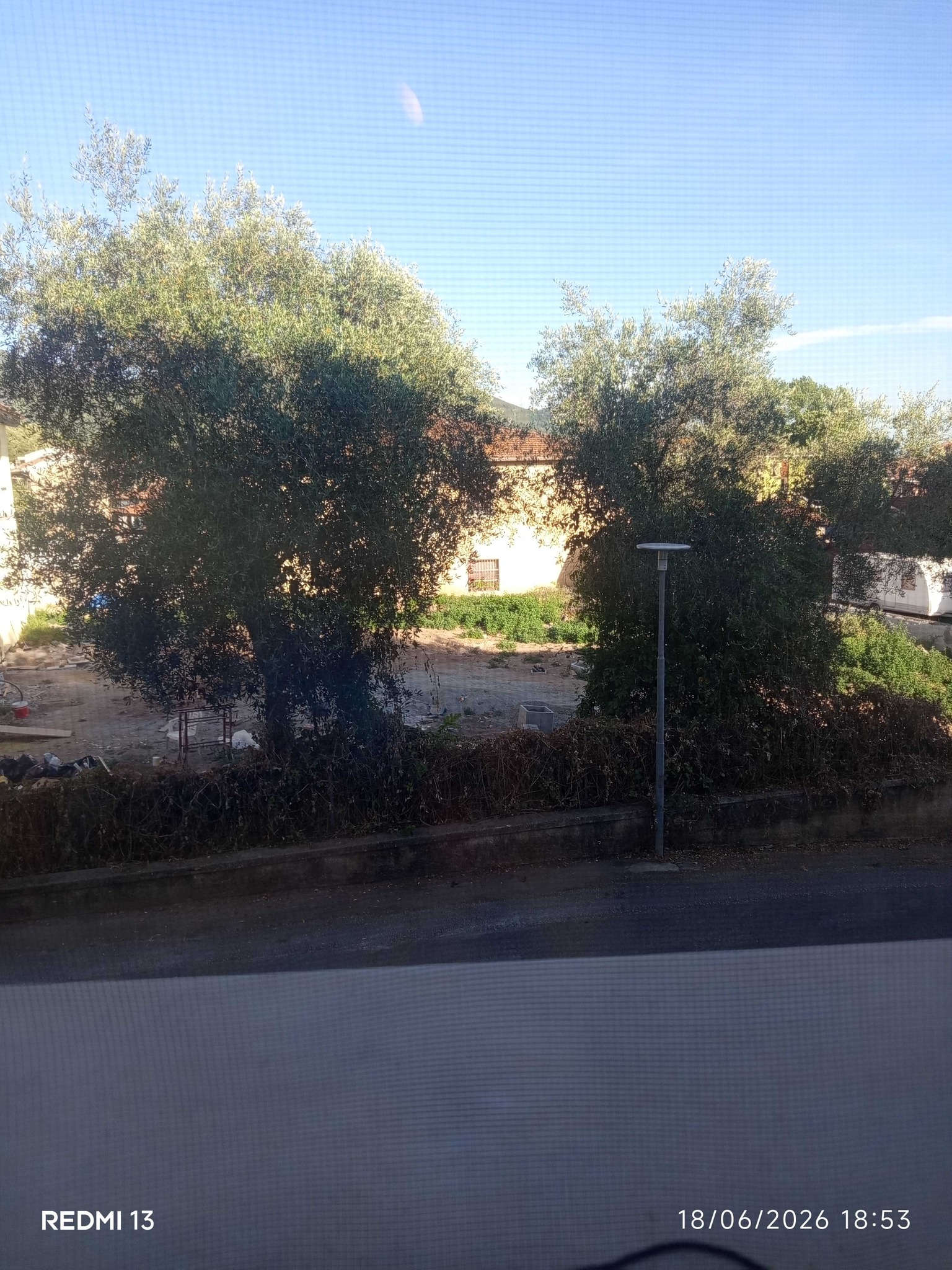
Brief Description
An evergreen tree known for its small, silvery-green leaves and edible drupe fruits.
Characteristics
Small tree with gnarled, twisted trunks that become more pronounced with age. Leaves are opposite, leathery, lance-shaped, dark green on top and silvery-grey underneath.
Habitat
Typically found in Mediterranean climates with hot, dry summers and mild, wet winters. Thrives in well-drained, rocky soils.
When to Find It
Evergreen; flowers in late spring with small white blossoms. Fruits ripen in autumn and early winter.
Conservation Status
Least Concern (though many ancient groves are protected)
Ecological Role
A keystone species in Mediterranean ecosystems, providing food and shelter for various birds and insects. It is highly drought-resistant.
Easily Confused With
Russian Olive (Elaeagnus angustifolia), which has simpler, non-woody trunk structures and different fruit, or Oleander, which has longer leaves and toxic sap.
Observation Tips
Look for the characteristic silvery shimmer of the leaves when the wind blows, showing the pale undersides.
Interesting Facts
Olive trees are incredibly long-lived; some specimens in the Mediterranean are estimated to be over 2,000 years old and still produce fruit.