Cicada Exoskeleton
Scientific Name: Cicadidae
Category: insect
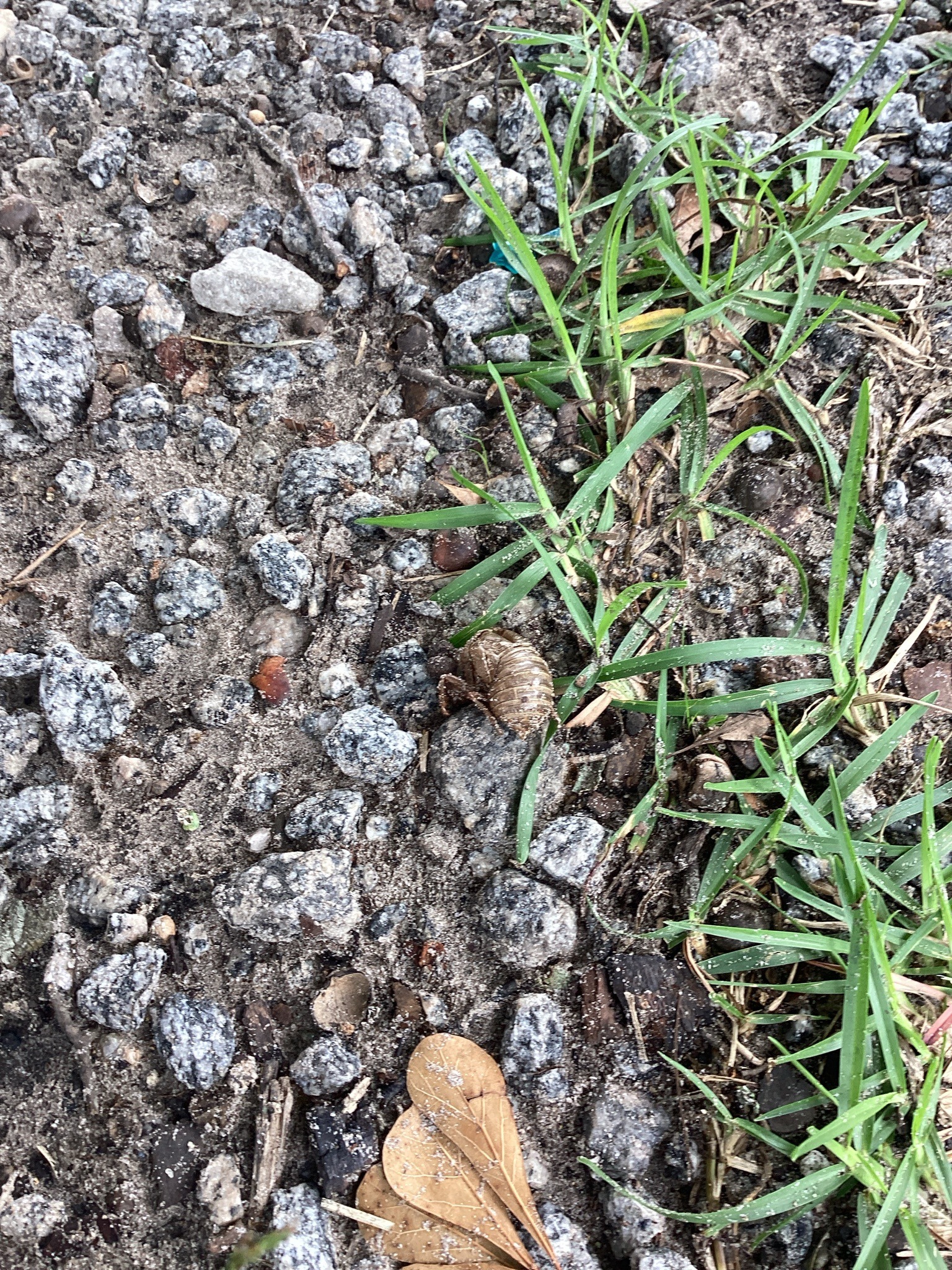
Brief Description
The hollow, brown, translucent shell left behind by a cicada nymph after it molts into its adult winged form.
Characteristics
A light brown, rigid, and translucent shell that retains the shape of the nymph. It features a distinct split down the back (the ecdysial line) where the adult emerged, hooked front legs for burrowing and gripping, and visible segmentations on the abdomen.
Habitat
Found on tree trunks, branches, wooden fences, or even on the ground near the base of trees where the nymphs emerge from the soil.
When to Find It
Commonly seen during the summer months (June through August) when nymphs crawl out of the earth to transform.
Conservation Status
N/A
Ecological Role
The molting process is a critical stage in the cicada life cycle; the shells themselves provide a small source of calcium and nutrients back to the soil as they decompose.
Easily Confused With
Living cicada nymphs (which are active and not hollow) or other insect molts like those of dragonflies (found near water and shaped differently). The cicada shell is uniquely robust and shaped like a squat beetle.
Observation Tips
Look at eye level on the bark of large deciduous trees during hot summer mornings. They are very fragile and will crumble if stepped on, but can be carefully detached from surfaces with light pressure.
Interesting Facts
Cicadas spend most of their lives (up to 17 years for some species) underground as nymphs before emerging for a few short weeks of adulthood. The shell they leave behind is made of chitin, the same material found in the shells of crabs.