Norway Maple
Scientific Name: Acer plataneoides
Category: tree
Brief Description
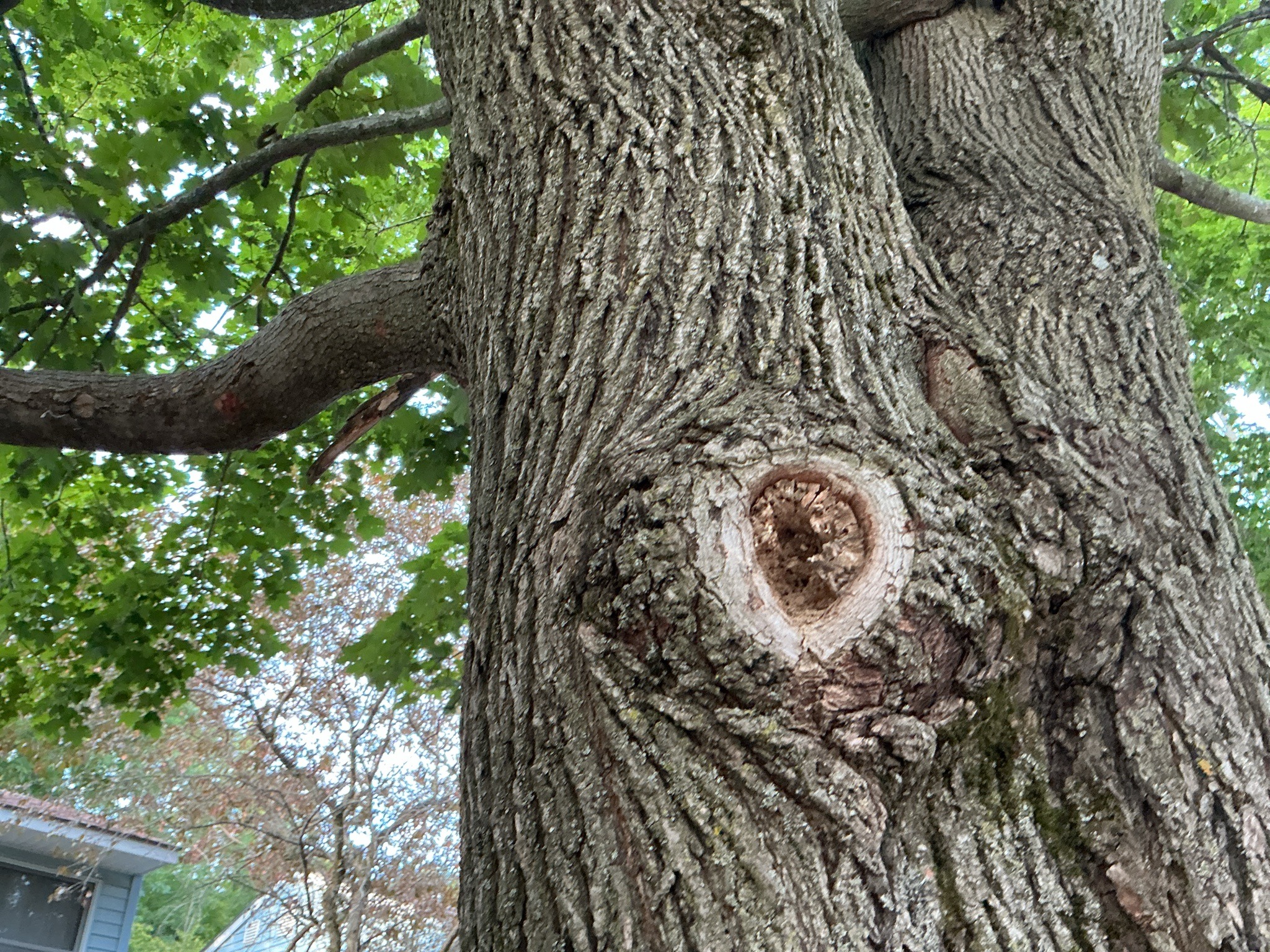
A large deciduous shade tree known for its broad canopy, dark grayish-brown furrowed bark, and distinctive five-lobed leaves.
Characteristics
Deeply furrowed bark with a regular interlacing diamond pattern in mature trees. Leaves are 5-lobed, opposite, and exude a milky white sap from the petiole when broken. Twigs are stout and brown with large, blunt terminal buds.
Habitat
Native to Europe and Western Asia, but widely naturalized in North America. Commonly found in urban parks, residential yards, and encroaching into deciduous forests.
When to Find It
Vibrant yellow flowers bloom in early spring before leaves; leaves turn bright yellow in late autumn, often holding onto foliage longer than native maples.
Conservation Status
Least Concern (Invasive in several North American regions)
Ecological Role
Highly adaptable and salt-tolerant, making it a common street tree. However, in North America, it is considered invasive as its dense shade and allelopathic properties suppress the growth of native understory plants.
Easily Confused With
Sugar Maple (Acer saccharum), which has clear sap and more irregularly plated bark, and Red Maple (Acer rubrum), which has smaller leaves with serrated margins.
Observation Tips
Look for the milky sap that appears when a leaf stem is broken to distinguish it from native maples. Check for the horizontal spread of its winged seeds (samaras).
Interesting Facts
The Norway Maple was introduced to North America in 1756 by botanist John Bartram. Its wood is often used for making musical instruments, specifically the backs and necks of violins.
User Notes
Identify