American White Pelican
Scientific Name: Pelecanus erythrorhynchos
Category: bird
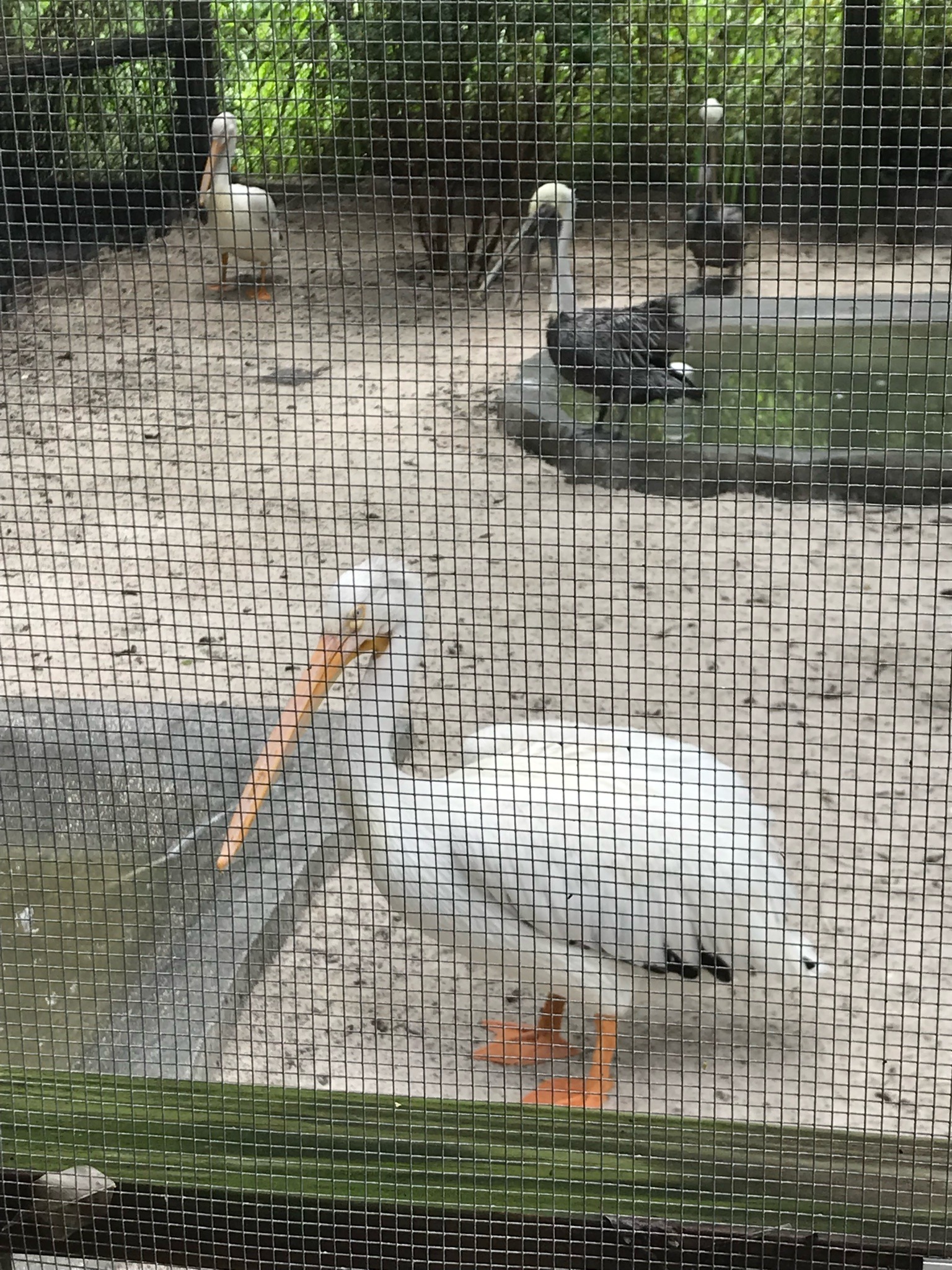
Brief Description
A large aquatic bird with mostly white plumage and a massive orange-yellow bill, known for its communal feeding habits.
Characteristics
Extremely large white body with black primary and outer secondary flight feathers visible only in flight. Large orange-yellow bill with a throat pouch, short orange legs, and webbed feet. During breeding season, adults develop a flat 'horn' on the upper mandible.
Habitat
Inland lakes, marshes, and estuaries during the breeding season; coastal bays, inlets, and mangrove swamps during winter.
When to Find It
Diurnal; breeds in spring and summer in the interior of North America, migrates to southern coasts and Mexico for winter.
Conservation Status
Least Concern (IUCN), protected under the Migratory Bird Treaty Act.
Ecological Role
As a top-tier predator in aquatic ecosystems, they help regulate fish populations and serve as indicators of wetland health.
Easily Confused With
Brown Pelican (Pelecanus occidentalis) is smaller and darker; Whooping Cranes and Snow Geese also have white bodies with black wingtips but have very different silhouettes and neck positions.
Observation Tips
Look for them swimming in groups or soaring in high thermals. Use binoculars to avoid disturbance, especially near nesting colonies which are very sensitive.
Interesting Facts
Unlike Brown Pelicans, white pelicans do not dive from the air for food; instead, they swim on the surface and use their pouches to scoop up fish, often working together to herd prey into shallow water.