Pygmy Marmoset
Scientific Name: Cebuella pygmaea
Category: mammal
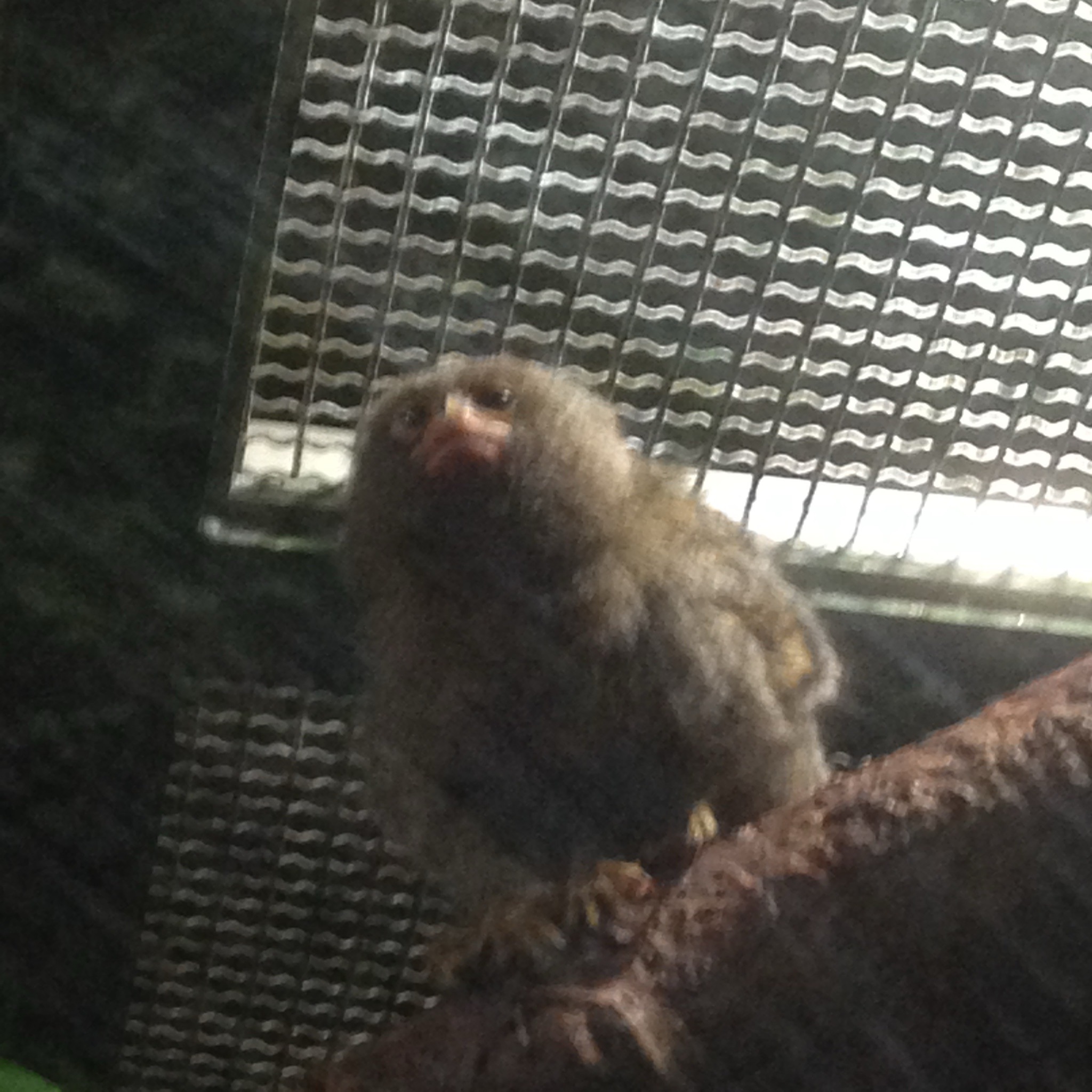
Brief Description
The pygmy marmoset is one of the smallest primates in the world, distinct for its tiny size and ability to leap between trees.
Characteristics
Extremely small body size (about 12-15 cm long), brownish-gold fur, and a long tail that is often longer than its body. It has sharp claws for gripping tree bark and specialized teeth for gouging holes in trees to eat sap.
Habitat
Lowland tropical evergreen forests, particularly near riverbanks. They prefer the lower layers of the forest canopy.
When to Find It
Diurnal (active during the day), particularly active in the early morning and late afternoon.
Conservation Status
Least Concern (IUCN), though habitat loss and the pet trade are ongoing threats.
Ecological Role
They play a role in their ecosystem by feeding on tree exudates (sap and gum) and insects, and they are prey for larger birds and snakes.
Easily Confused With
Often confused with other marmose types or tamarins, but distinguished by being significantly smaller and having a unique 'squirrel-like' movement.
Observation Tips
In the wild, they are very shy; look for small holes in tree trunks which indicate their feeding sites. In captivity, they move very quickly, so a fast shutter speed is needed for photos.
Interesting Facts
They are the smallest monkeys in the world. Their heads can rotate 180 degrees, allowing them to scan for predators while clinging to tree trunks.