Olive tree
Scientific Name: Olea europaea
Category: tree
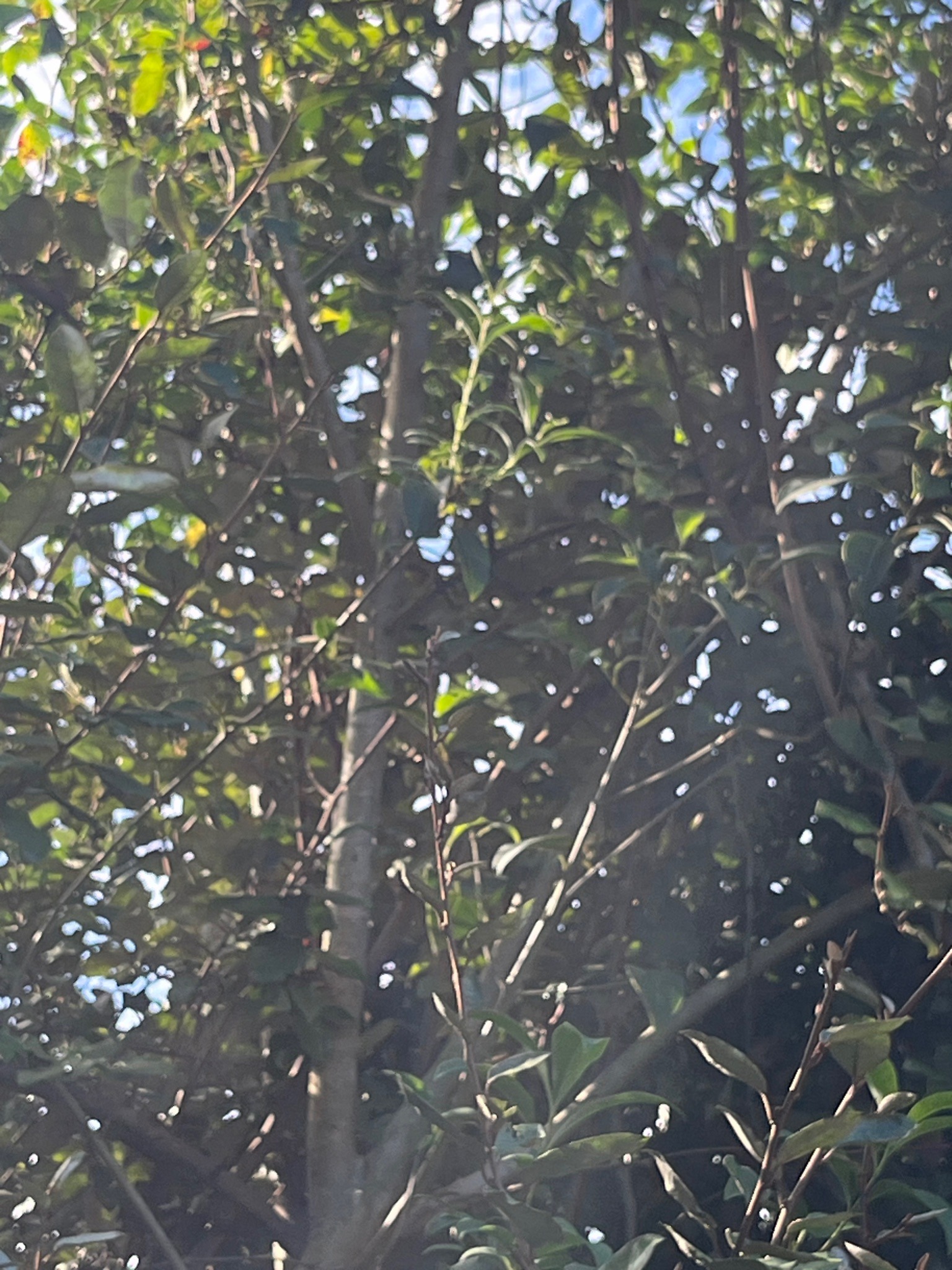
Brief Description
An evergreen tree or shrub native to the Mediterranean basin, known for its silver-green leaves and edible fruits.
Characteristics
Features rigid, leathery leaves that are dark green above and silvery-grey underneath due to dense microscopic scales. The trunk is typically twisted and gnarled with greyish bark.
Habitat
Thrives in dry, stony soils and Mediterranean climates with hot summers and mild winters, but cultivated globally in similar temperate and subtropical zones.
When to Find It
Best observed during spring for flowering or autumn for fruiting. Tolerates year-round outdoor conditions in suitable hardiness zones.
Conservation Status
Least Concern (widely cultivated)
Ecological Role
Provides food and habitat for various Mediterranean wildlife, supports resilient dry-landscape ecosystems, and prevents soil erosion.
Easily Confused With
Privet (Ligustrum) or Willow (Salix) species can occasionally look similar from a distance, but olive leaves are distinctively silvery underneath and leathery.
Observation Tips
Look for the characteristic twisted trunk and contrast between the dark green upper leaf surface and silvery underside.
Interesting Facts
Olive trees are extremely long-lived, with some ancient specimens estimated to be over a thousand years old.