Acorn Barnacle
Scientific Name: Balanus glandula
Category: other
Brief Description
A sessile crustacean that attaches itself permanently to hard surfaces like rocks in the intertidal zone.
Characteristics
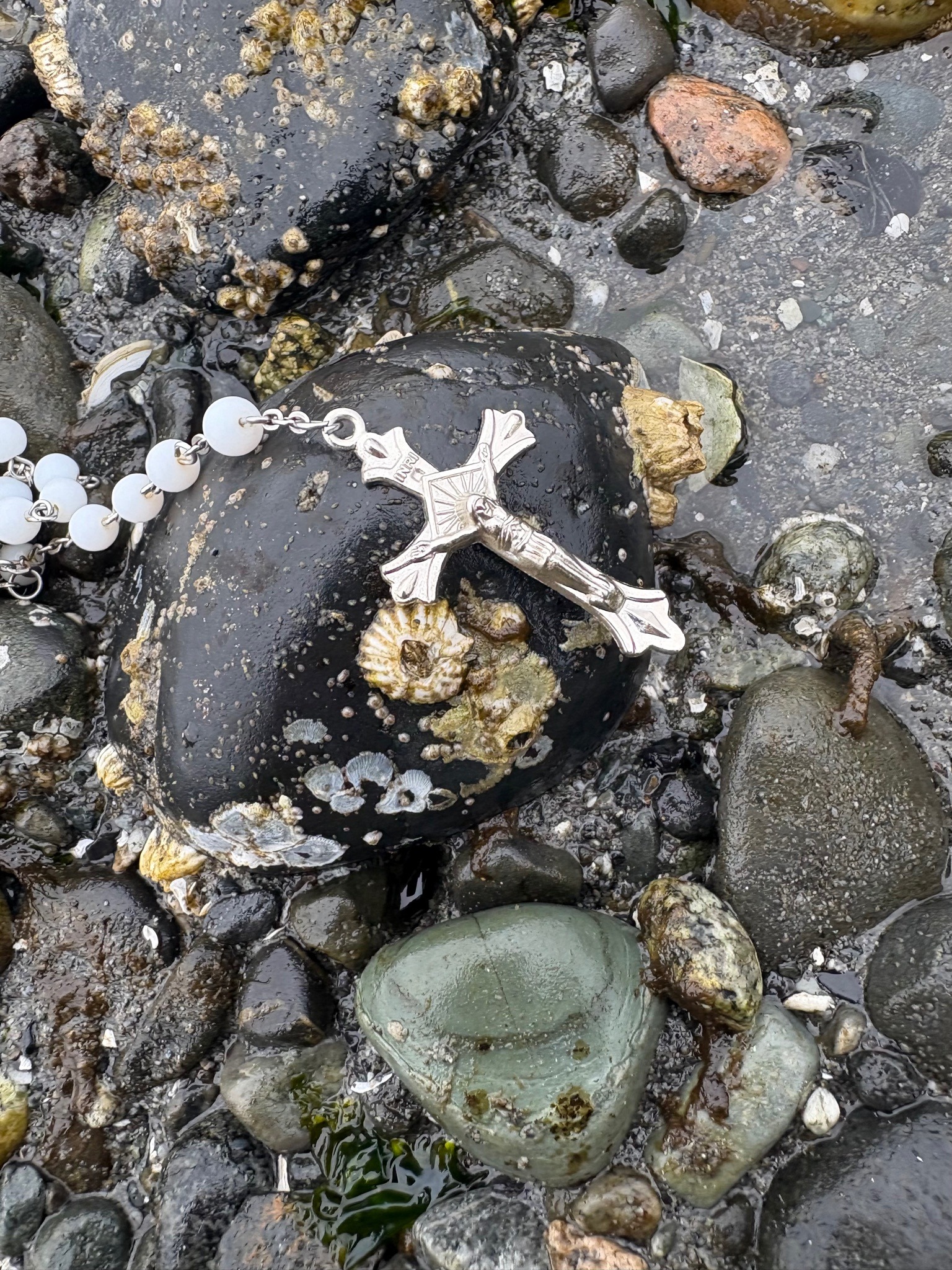
Commonly known as the Pacific Acorn Barnacle, it has a white to grayish cone-shaped shell made of six overlapping plates. It is small (up to 2cm) with a diamond-shaped opening at the top protected by four opercular plates.
Habitat
Upper to mid-intertidal zones on rocky shores, piers, and shelled animals.
When to Find It
Visible year-round; most active when submerged during high tide.
Conservation Status
Common/Stable
Ecological Role
Barnacles are important filter feeders that consume plankton. They provide food for predators like sea stars, snails, and certain birds, and their empty shells provide habitat for other small marine life.
Easily Confused With
Little Brown Barnacle (Chthamalus dalli), which is smaller, flatter, and has a more 'cross-shaped' opening compared to the diamond shape of Balanus glandula.
Observation Tips
Look for them in the mid-tide line of rocky beaches at low tide. Avoid stepping on them to protect the organisms and prevent slipping. Be mindful of incoming tides while exploring tide pools.
Interesting Facts
Barnacles are actually crustaceans, related to crabs and lobsters. They spend their larval stage swimming in the ocean before gluing their 'heads' to a rock for the rest of their lives, using modified legs called cirri to kick food into their mouths.
User Notes
What is that little barnacle next to the cross, found on a washington state beach