White-tailed Deer
Scientific Name: Odocoileus virginianus
Category: mammal
Brief Description
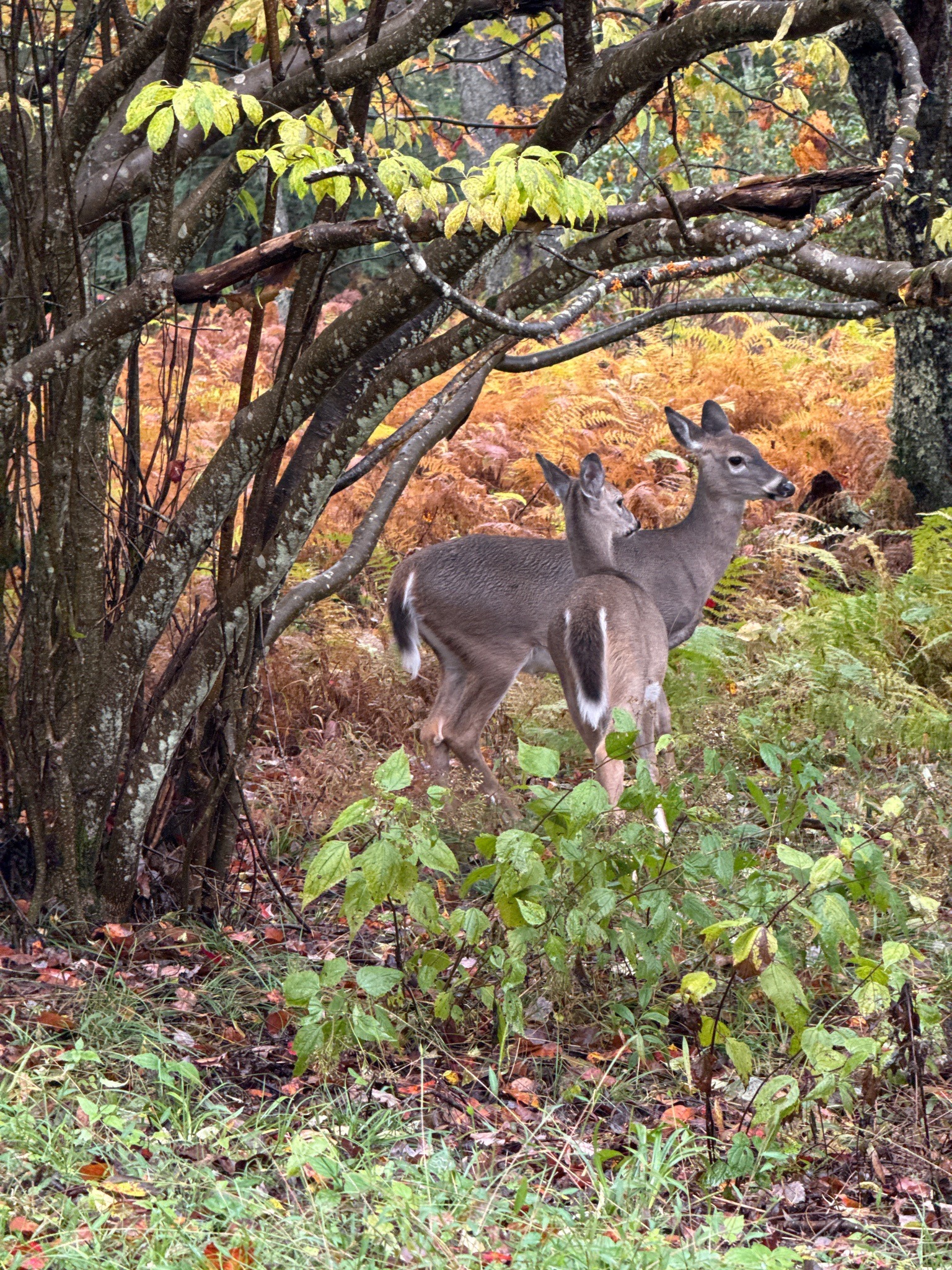
A medium-sized deer native to North, Central, and South America, easily recognized by the white underside of its tail.
Characteristics
Reddish-brown coat in spring and summer, turning to a dull grey-brown in winter. White patches appear on the throat, around the eyes, and under the tail, which is raised as an alarm signal when fleeing.
Habitat
Widely adaptable, found in deciduous and coniferous forests, open prairies, wetlands, and agricultural edges.
When to Find It
Most active at dawn and dusk (crepuscular). Rutting (mating) season occurs in autumn.
Conservation Status
Least Concern
Ecological Role
Acts as a primary herbivore controlling plant undergrowth, serves as an important prey species for large carnivores, and aids in seed dispersal.
Easily Confused With
Mule deer, which have larger ears, black-tipped tails, and a different antler branching pattern.
Observation Tips
Use binoculars and remain downwind during early morning or late evening near forest edges and clearings.
Interesting Facts
White-tailed deer can sprint at speeds up to 30 miles per hour and leap fences as high as 9 feet.