Sea Lettuce
Scientific Name: Ulva lactuca
Category: other
Brief Description
A bright green, thin, and translucent marine algae often found in tide pools and along the shoreline.
Characteristics
Flat, leafy green fronds that are only two cell layers thick. It has a ruffled margin and a vibrant grass-green color that can turn pale or white when dried by the sun.
Habitat
Intertidal and shallow subtidal zones, attached to rocks or floating in tide pools. Common on Washington state rocky beaches.
When to Find It
Year-round, but most abundant and fast-growing during spring and summer months with high sunlight.
Conservation Status
Secure/Common
Ecological Role
Provides food for many marine organisms including sea snails, crabs, and fish. It also provides surface area for small invertebrates to find shelter.
Easily Confused With
Monostroma species (Ox-tongue) which is only one cell layer thick, and Ulva intestinalis (Sea Hair) which has tubular rather than sheet-like fronds.
Observation Tips
Look for it in tide pools at low tide. While it is safe to touch, be careful when walking on it as it is extremely slippery on wet rocks.
Interesting Facts
Sea lettuce is edible and rich in protein, soluble dietary fiber, and a variety of vitamins and minerals. It can grow exceptionally fast when excess nutrients are present in the water.
User Notes
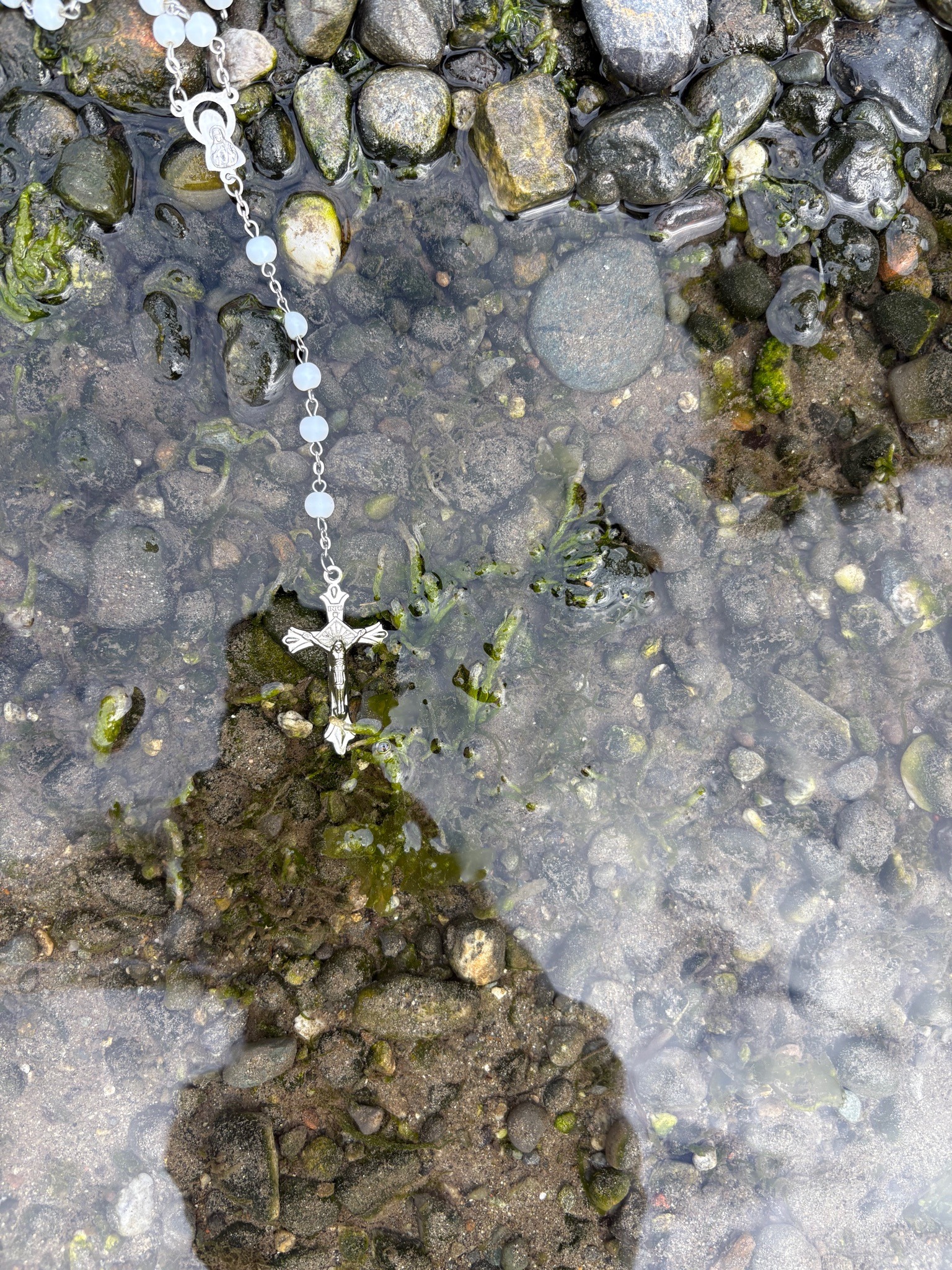
Some sort of kelp or grass found in water on a Washington state beach