Turkish Washcloth
Scientific Name: Mastocarpus papillatus
Category: other
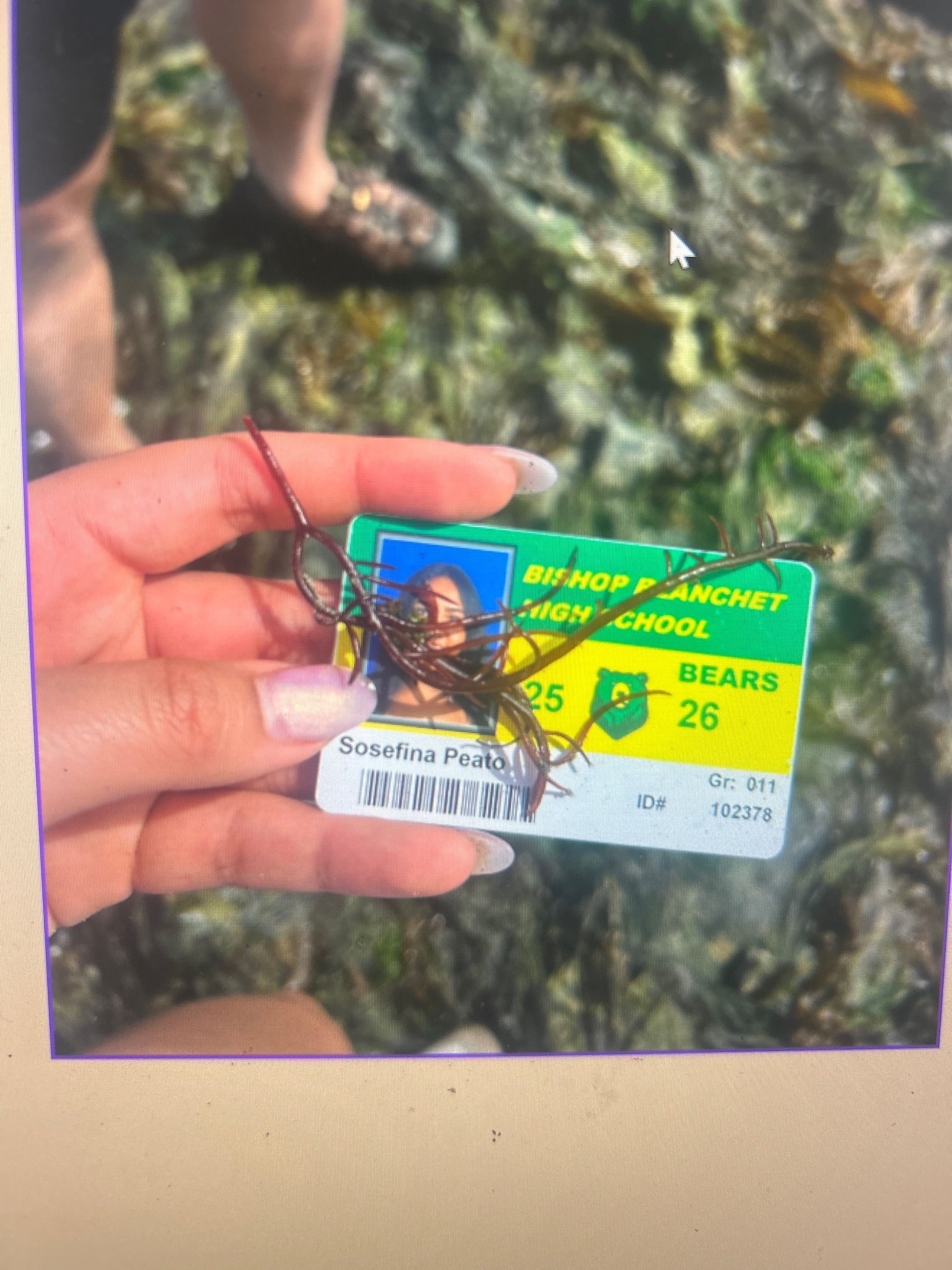
Brief Description
A species of red algae commonly found in the intertidal zones of the Pacific Northwest. It is known for its distinctively bumpy, papillate texture and branched structure.
Characteristics
This algae features dark purple to brownish-black dichotomously branched blades. The surface is covered in small, nipple-like bumps called papillae, which contain the reproductive organs. It can vary in form from a crust-like base to upright, branched fronds.
Habitat
Typically found in the mid-to-high intertidal zones on rocky shores. It is highly resilient to desiccation (drying out) during low tide.
When to Find It
Perennial; visible year-round, though reproductive structures (papillae) are most prominent in late summer and autumn.
Conservation Status
N/A
Ecological Role
Provides vital habitat and food for various intertidal invertebrates. It is a primary producer that helps sustain the complex food web of the rocky shoreline.
Easily Confused With
Often confused with Turkish Towel (Chondracanthus exasperatus), which has much larger, broader blades and a more towel-like texture, or Mazzaella species, which are smoother and lack the distinct papillae.
Observation Tips
Look for it on rocks during low tide in the Puget Sound. Be careful not to step on sensitive tide pool organisms and always check local tide tables for safety.
Interesting Facts
This seaweed has a complex 'heteromorphic' life cycle, meaning it alternates between an upright branched form and a flat, crusty form (formerly thought to be a different species called Petrocelis) depending on the stage of its life.
User Notes
Puget sound