Komodo Dragon
Scientific Name: Varanus komodoensis
Category: reptile
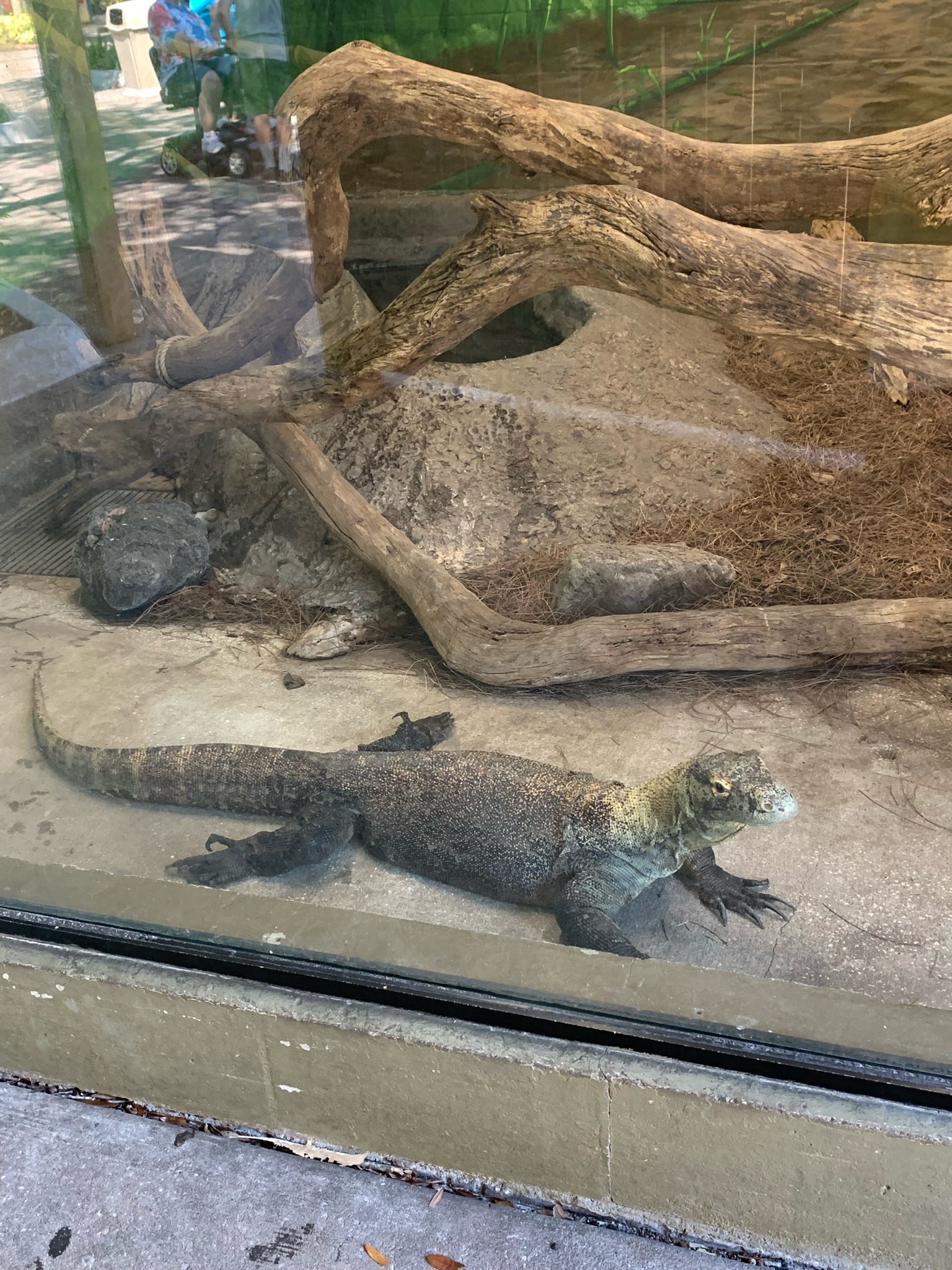
Brief Description
The Komodo dragon is the largest extant species of lizard, recognized by its massive size, robust limbs, and powerful tail.
Characteristics
Large, heavy-set body with rough, scale-covered skin typically grey, brown, or reddish. They have long, muscular tails, powerful claws, and a flat head with a rounded snout. Their tongues are yellow and deeply forked.
Habitat
Tropical savanna forests, open grasslands, and beach areas. They are endemic to the Indonesian islands of Komodo, Rinca, Flores, and Gili Motang.
When to Find It
Diurnal; most active during the day, especially in the morning and late afternoon to avoid the peak heat.
Conservation Status
Endangered (IUCN Red List)
Ecological Role
As an apex predator, they play a crucial role in maintaining the balance of their ecosystem by regulating prey populations including deer, pigs, and water buffalo.
Easily Confused With
Other monitor lizards like the Water Monitor (Varanus salvator), but Komodo dragons are significantly bulkier and larger with broader snouts.
Observation Tips
In the wild, they should only be viewed with an experienced ranger. In zoos, avoid tapping on the glass and use a polarizing filter to reduce reflections in photographs.
Interesting Facts
Komodo dragons have venom glands that secrete toxins causing low blood pressure and preventing blood clotting. They can eat up to 80 percent of their body weight in a single sitting.