Denticulate Primrose
Scientific Name: Primula denticulata
Category: plant
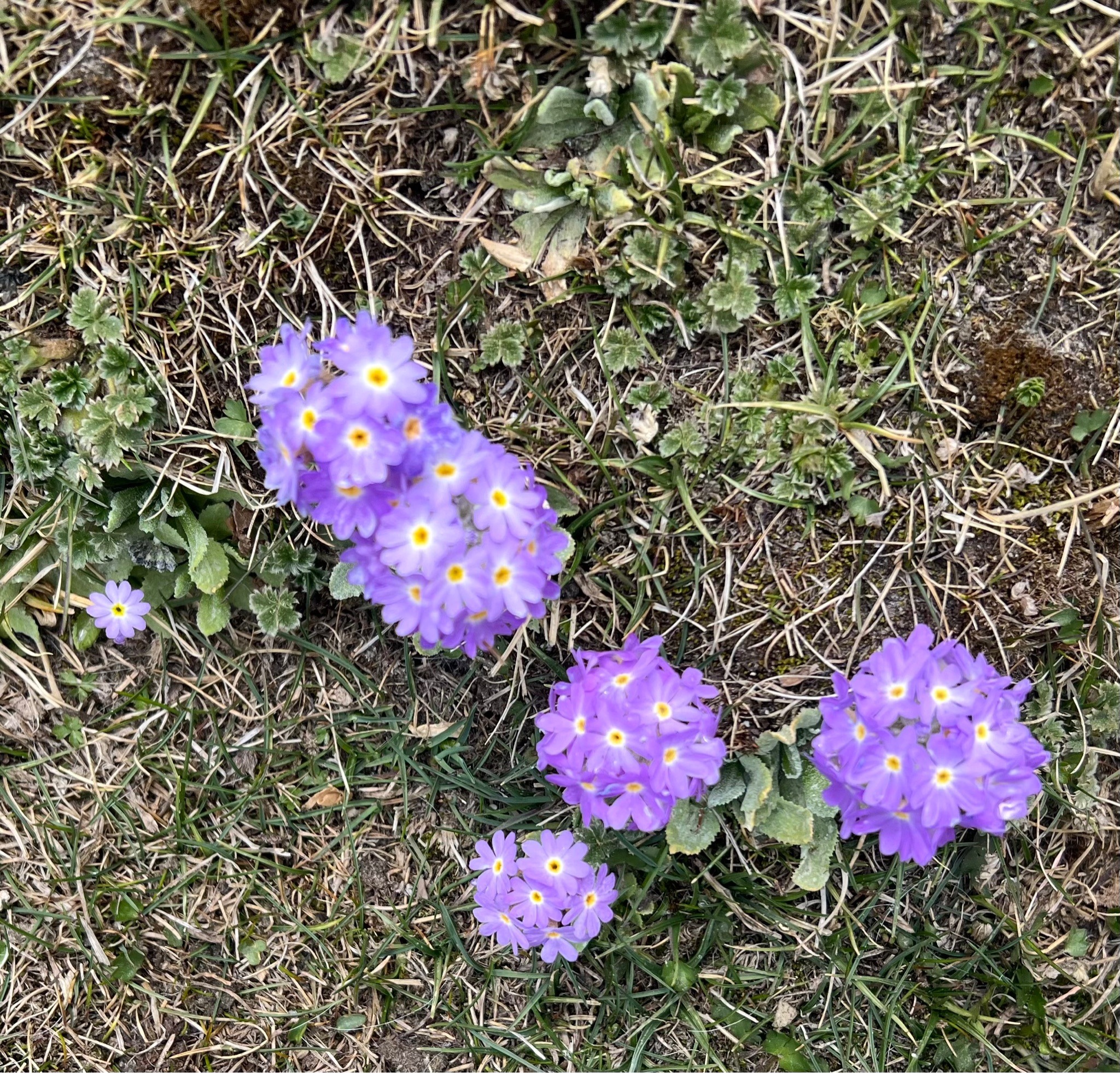
Brief Description
A hardy perennial alpine wildflower characterized by its distinctive globe-shaped clusters of small purple flowers.
Characteristics
Dense, spherical umbels (flower heads) of many small lavender to purple flowers with bright yellow centers. The leaves form a basal rosette, are oblong to spatulate, and have finely toothed (denticulate) margins. The stems and leaves can sometimes appear powdery or mealy.
Habitat
High-altitude moist meadows, screes, and alpine grassy slopes.
When to Find It
Blooms from early spring to early summer (March to June), often emerging as the snow melts.
Conservation Status
N/A
Ecological Role
Provides an early source of nectar for pollinators in high-altitude environments where growing seasons are short.
Easily Confused With
Primula capita, which has more bell-shaped flowers and often a more intense silver powdering on the leaves. Other high-altitude Primulas can be distinguished by the shape of the flower head; P. denticulata is unique for its almost perfectly round drumstick-like clusters.
Observation Tips
Look for them in moist patches of grass near trekking trails in the Everest/Himalayan region. They are very photogenic but fragile; avoid stepping on the basal rosettes when getting close for a photo.
Interesting Facts
Commonly known as the Drumstick Primula due to its spherical flower head sitting atop a sturdy stem. It is one of the most iconic spring flowers in the Himalayas and can grow at altitudes up to 4,500 meters.
User Notes
In Everest region