Rockweed (Bladderwrack)
Scientific Name: Fucus distichus
Category: plant
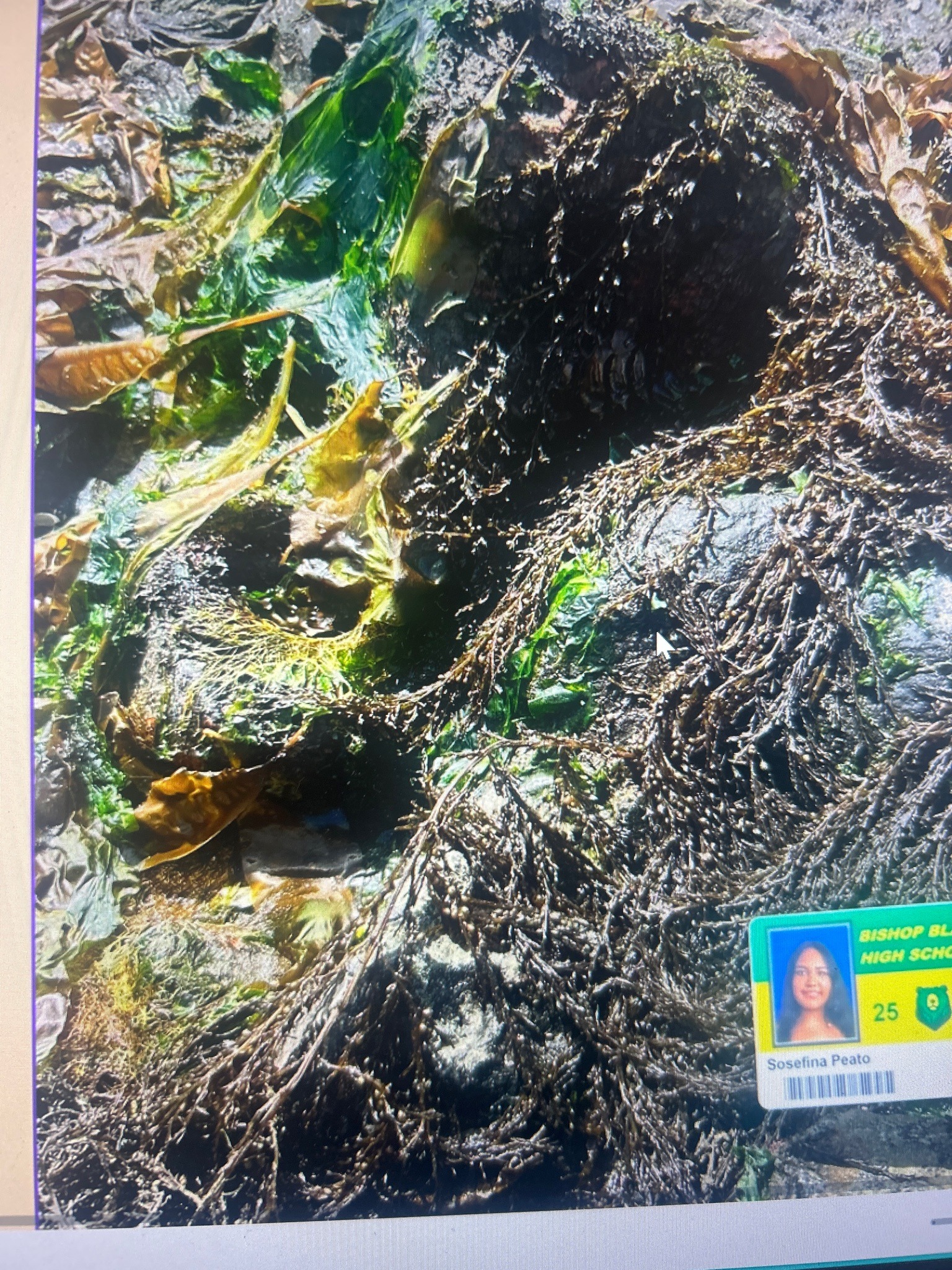
Brief Description
A common brown seaweed found on rocky shorelines in the intertidal zone, known for its small air-filled bladders.
Characteristics
Olive-brown or yellowish-brown color with flat, branching fronds. The tips often contain swollen, bumpy sacs called receptacles which are used for reproduction. It has a tough, leathery texture.
Habitat
Found on the high to mid-intertidal zones of rocky shores, attached to stones and piers.
When to Find It
Visible year-round, especially during low tides when the water recedes.
Conservation Status
Common/Secure
Ecological Role
Provides critical shelter and moisture for small marine animals like crabs and snails during low tide; serves as a primary producer in coastal ecosystems.
Easily Confused With
Sargassum, which has more distinct spherical air bladders and a different branching structure. Other Fucus species may appear similar but vary in bladder size and frond width.
Observation Tips
Best viewed at low tide. Be careful when walking on rocky shores as this seaweed is extremely slippery when wet.
Interesting Facts
Rockweed can survive being out of the water for several hours during low tide by trapping moisture within its thick, rubbery fronds. The bumpy tips at the ends of the branches contain the plant's reproductive organs.
User Notes
Puget Sound