Siberian Elm
Scientific Name: Ulmus pumila
Category: tree
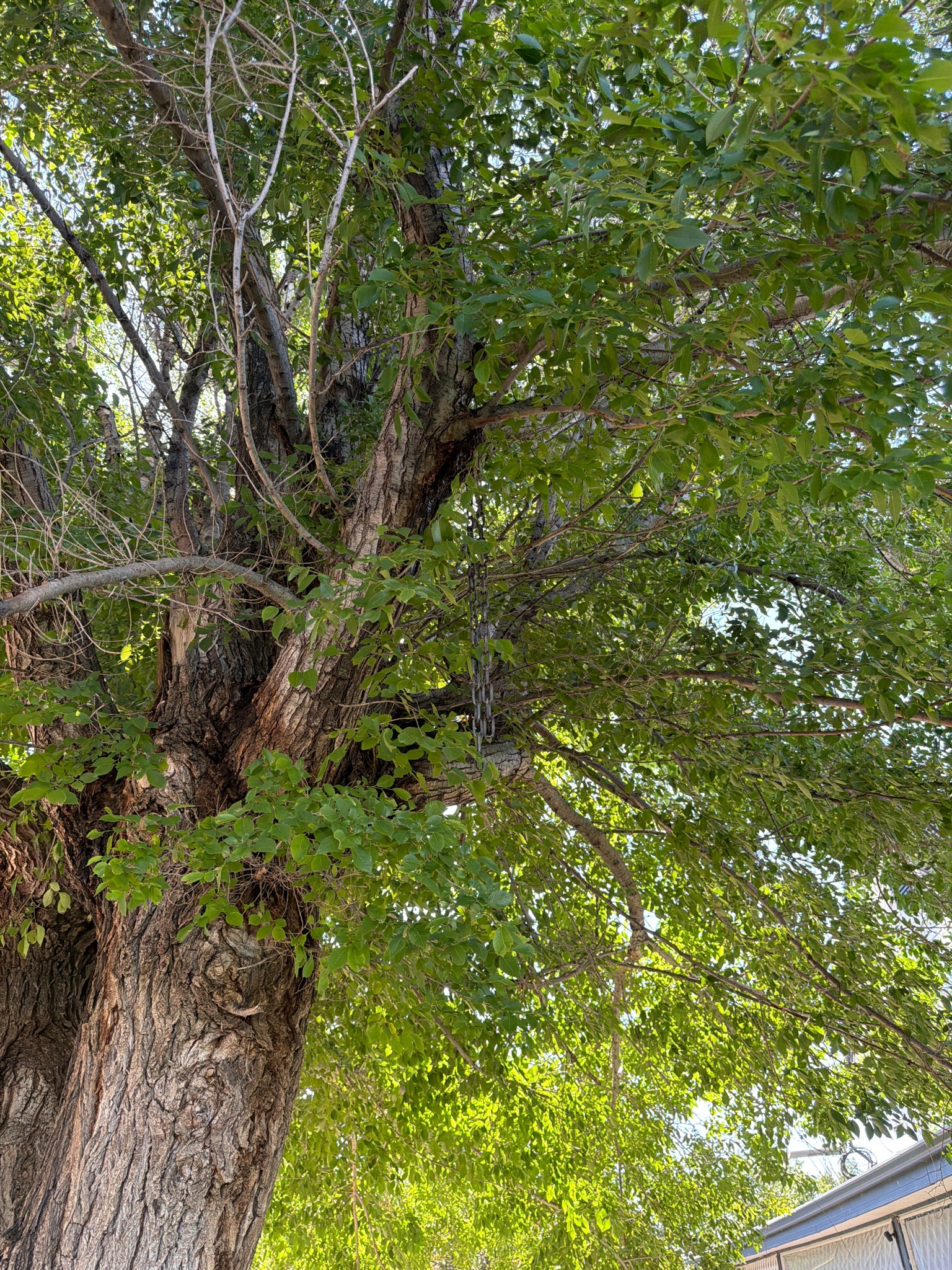
Brief Description
A medium-sized deciduous tree with a rounded crown and small, serrated leaves, often considered invasive in North America.
Characteristics
Small, elliptical, singly-serrated leaves with a nearly symmetrical base; rough, grey-brown bark with shallow fissures; small, winged seeds called samaras.
Habitat
Hardy and adaptable; found in windswept plains, disturbed soils, roadsides, and urban areas.
When to Find It
Flowers in early spring before leaves appear; samaras ripen and shed shortly after; deciduous leaves turn yellow in autumn.
Conservation Status
Least Concern (Invasive in many regions)
Ecological Role
Provides shade and wind protection, but often displaces native species due to its fast growth and high seed production.
Easily Confused With
American Elm, which has larger, doubly-serrated leaves with an asymmetrical base; and Chinese Elm, which has exfoliating 'lacebark'.
Observation Tips
Look for the distinctive small leaves and the way it readily grows in harsh, dry, or neglected urban environments.
Interesting Facts
It was widely planted in the 1930s Shelterbelt Project to combat the Dust Bowl due to its extreme drought and cold tolerance.