Rockweed
Scientific Name: Fucus distichus
Category: plant
Brief Description
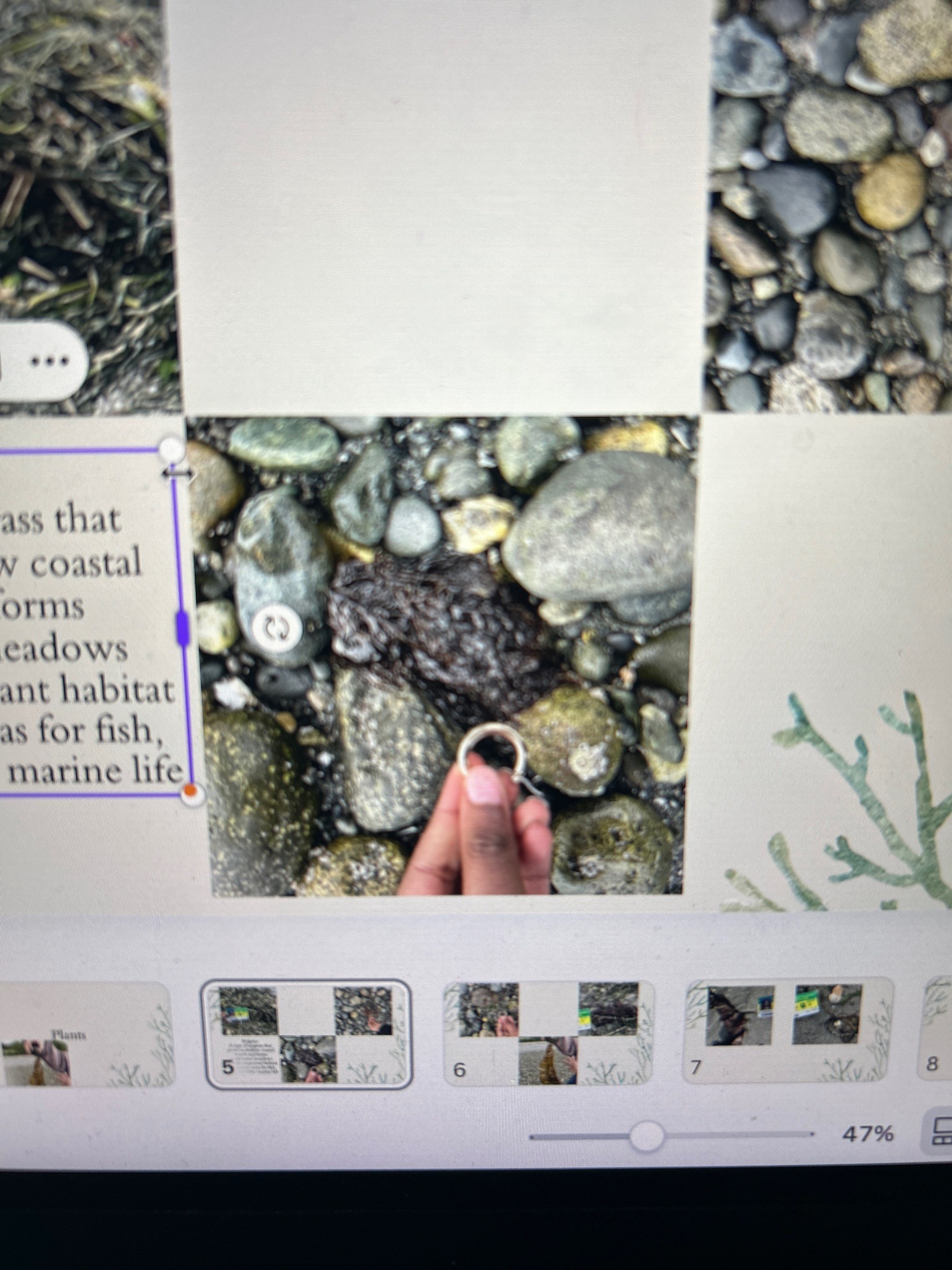
A common brown alga found in the intertidal zones of rocky shores, often forming dense mats.
Characteristics
Olive-brown to dark brown in color with flattened, dichotomously branched fronds. Often features swollen, pinpoint-textured 'receptacles' at the tips which are used for reproduction.
Habitat
Found in the mid-to-lower intertidal zones attached to rocks and hard substrates.
When to Find It
Perennial; visible year-round, but reproductive structures are most prominent in spring and summer.
Conservation Status
Generally common and stable, though sensitive to oil spills and coastal development.
Ecological Role
Provides critical shelter and moisture for small marine invertebrates like snails, crabs, and isopods during low tide, preventing them from drying out.
Easily Confused With
Bladderwrack (Fucus vesiculosus) which has paired air bladders along the fronds that Rockweed lacks.
Observation Tips
Best viewed during low tide in rocky coastal areas. Be careful as they make rocks extremely slippery to walk on.
Interesting Facts
Rockweed produces a gel-like substance that helps it retain moisture when exposed to air for several hours during low tide.